Exhibition
Sacré Mormont
Palais de la Rumine, Lausanne, Switzerland
—
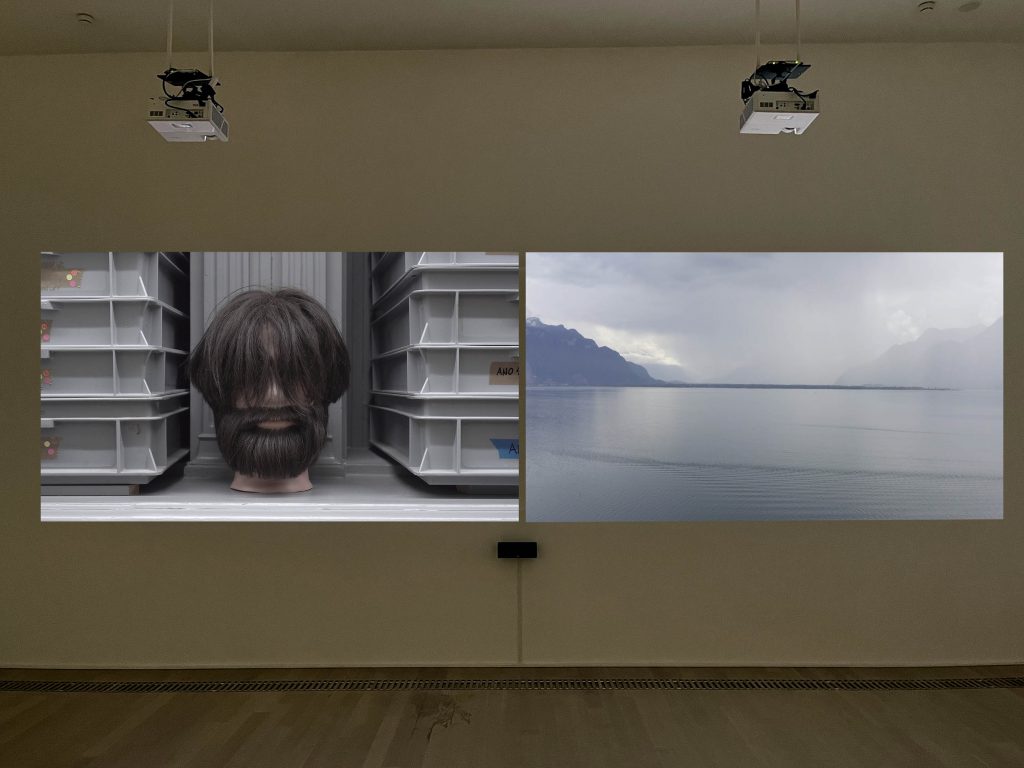
Two-channel video installation with surround sound, 16’45”, 2020. Includes archival footage from the documentary Crépuscule des Celtes (2007) by Stéphane Goël, Climage
Discovered in 2006 at the limestone quarry managed by the by HOLCIM cement plant, the Mormont site was regularly excavated from 2006 to 2016. The discovery uncovered nearly 250 enigmatic, deeply dug pits, which contained human and animal remains, as well as assemblages of quite exceptional objects dating from the end of the Celtic period. After 15 years of multidisciplinary investigation, the mystery of the nature of the Celtic site has still not been clarified..
Le Mormont experienced a resurgence in 2020 with the installation of a ZAD, then the filing of a popular initiative aimed at making the place a protected site. The exhibition proposes to reflect upon on the state of archaeological, geological and zoological knowledge and the questions raised by Mormont. From the discovery of the pits to the evolution of interpretations, this scientific epic continues to be written. After millennia of silence, can the secrets of Mormont be unlocked?
Ignacio Acosta’s video installation Archaeology of Sacrifice is presented at the Palais de la Rumine within a larger exhibition focusing on the discovery of the Mormont. Through the discovery of a Celtic sacrificial site at Mormont Hill – a limestone and marl quarry located in the Swiss canton of Vaud, the video unveils how the notion of sacrifice has transitioned from ancient sacred rituals to its contemporary meaning within extractive capitalism. In a continuous interplay between fact, fiction and scale, meditative landscapes of typically inaccessible areas are juxtaposed with archival footage, drone views, investigative close-ups and photogrammetry-based 3D modelling.
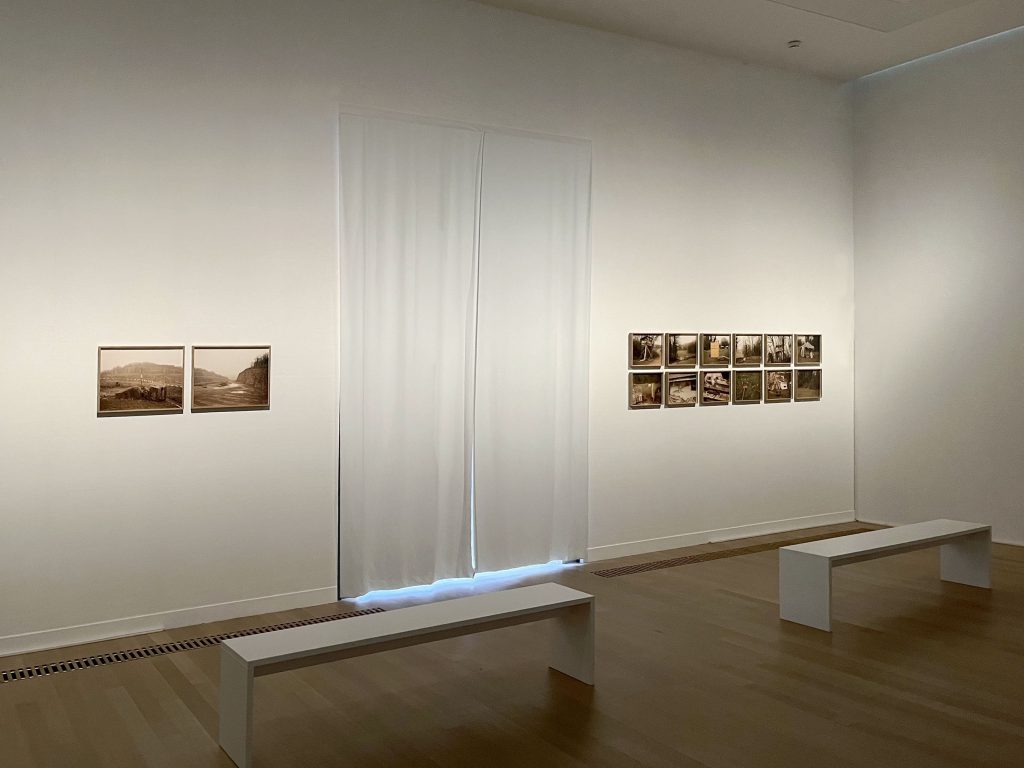
14 pigment prints on Hahnemühle baryta paper, 2023
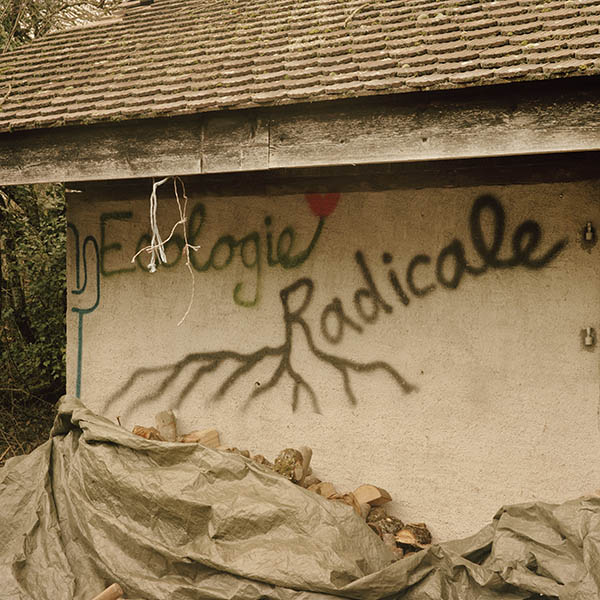
A new photographic installation Ecologie Radicale commissioned specially for the exhibition was produced. These series of photographs taken at Mormont Hill on the 6th February 2021, while Saharan dust covered Europe. The images document ephemeral structures built by the Zadists – a radical ecology group who blocked access to Mormont Hill between October 2020 and March 2021. Their occupation resisted the expansion of the limestone quarry on site – an engulfing threat to the hill’s protected forests, including a rare species of orchid.
Ecologie Radicale was acquired to the Museum to their collection.
—
—