prueba
“Lorem ipsum dolor sit amet, consectetur adipiscing elit, sed do eiusmod tempor incididunt ut labore et dolore magna aliqua. Ut enim ad minim veniam, quis nostrud exercitation ullamco laboris nisi ut aliquip ex ea commodo consequat. Duis aute irure dolor in reprehenderit in voluptate velit esse cillum dolore eu fugiat nulla pariatur. Excepteur sint occaecat cupidatat non proident, sunt in culpa qui officia deserunt mollit anim id est laborum.
“Sed ut perspiciatis unde omnis iste natus error sit voluptatem accusantium doloremque laudantium, totam rem aperiam, eaque ipsa quae ab illo inventore veritatis et quasi architecto beatae vitae dicta sunt explicabo. Nemo enim ipsam voluptatem quia voluptas sit aspernatur aut odit aut fugit, sed quia consequuntur magni dolores eos qui ratione voluptatem sequi nesciunt. Neque porro quisquam est, qui dolorem ipsum quia dolor sit amet, consectetur, adipisci velit, sed quia non numquam eius modi tempora incidunt ut labore et dolore magnam aliquam quaerat voluptatem. Ut enim ad minima veniam, quis nostrum exercitationem ullam corporis suscipit laboriosam, nisi ut aliquid ex ea commodi consequatur? Quis autem vel eum iure reprehenderit qui in ea voluptate velit esse quam nihil molestiae consequatur, vel illum qui dolorem eum fugiat quo voluptas nulla pariatur?”
–
Link
“Lorem ipsum dolor sit amet, consectetur adipiscing elit, sed do eiusmod tempor incididunt ut labore et dolore magna aliqua. Ut enim ad minim veniam, quis nostrud exercitation ullamco laboris nisi ut aliquip ex ea commodo consequat. Duis aute irure dolor in reprehenderit in voluptate velit esse cillum dolore eu fugiat nulla pariatur. Excepteur sint occaecat […]
Archaeology of Sacrifice, ZF Friedrichshafen AG & modo Verlag, Friedrichshafen, Germany
Archaeology of Sacrifice, modo Verlag and ZF Art Foundation Friedrichshafen
Publication that stems from scolarshiop from ZF Friedrichshafen AG.
Through the discovery of a Celtic sacrificial site at Mormont Hill – a limestone and marl quarry located in the Swiss canton of Vaud – the two-channel video installation with surround sound design Archaeology of Sacrifice unveils how the notion of sacrifice has transitioned from ancient sacred rituals to its contemporary meaning within extractive capitalism.
In 2006, the quarry was ordered to undertake an archaeological survey. In doing so, previous Celtic occupation was discovered. Evidence suggests the Celts living there during the second century BCE were experiencing a moment of crisis, perhaps linked to a Germanic invasion. Thus, they buried offerings in the form of several human and animal bodies, tools, and bronze vessels in exchange for guidance through the catastrophe.
Today, sacrifice is mediated by market exchange – the well-being of humans, non-humans, and the environment have been betrayed in favour of economic growth. Sacrifice zones are proliferating in areas deemed most extractable, most exploitable – usually regions under pressure from neoliberal policies. Here, humanity and nature are believed to be expendable and replaceable.
–
External Link
Publication that stems from scolarshiop from ZF Friedrichshafen AG. Through the discovery of a Celtic sacrificial site at Mormont Hill – a limestone and marl quarry located in the Swiss canton of Vaud – the two-channel video installation with surround sound design Archaeology of Sacrifice unveils how the notion of sacrifice has transitioned from ancient sacred rituals to its […]
Copper Geographies, Editorial RM, Barcelona/Mexico
Copper Geographies, Barcelona/Mexico: Editorial RM
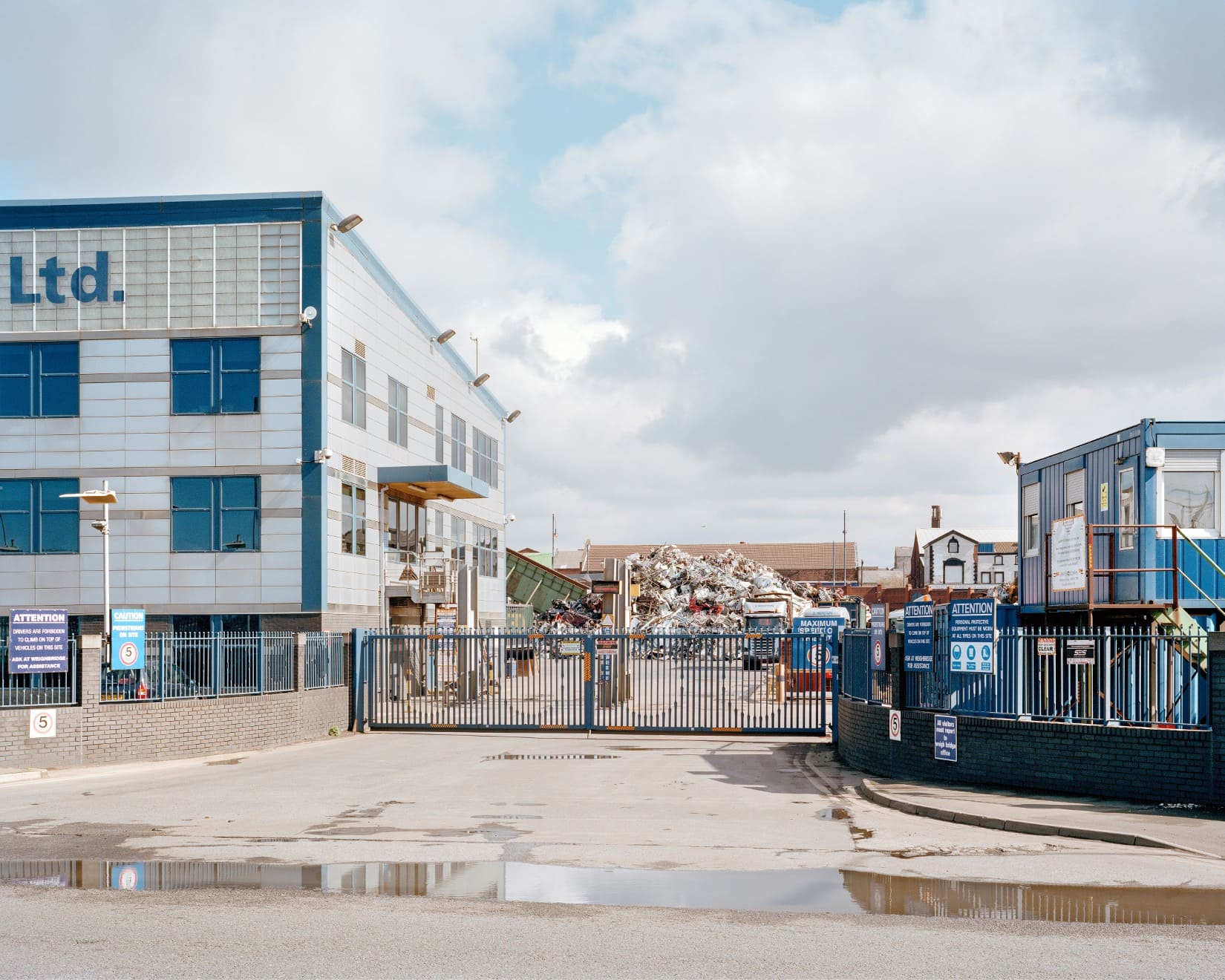
The publication Copper Geographies by Editorial RM (2018) invites the viewer on the journey of copper from raw material through stock market exchange value, smelted commodity, capital wealth and recycled material. From the transformed landscapes of the Atacama Desert through a re-imagined voyage to Wales and the City of London, the book documents spaces of circulation, environmental disruption, protest and trade, and makes visible the return of the copper hidden within technological devices to its geographical origins.
The publication presents documentary research in the form of maps, photographs and texts, and offers a critical spatial imaginary for re-thinking the geographies of copper. It includes six written contributions by curators, historians and poets: Andrés Anwandter, Marta Dahó, Tehmina Goskar, Tony Lopez, Louise Purbrick and Frank Vicencio López.
Copper Geographies stems from the practice-based PhD thesis The Copper Geographies of Chile and Britain: A photographic study of mining, carried out between 2012-2016 as part of Traces of Nitrate, a research project developed in collaboration with Art and Design historian Louise Purbrick and photographer Xavier Ribas, based at the University of Brighton and funded by the Arts and Humanities Research Council (AHRC).
–
External Link
The publication Copper Geographies by Editorial RM (2018) invites the viewer on the journey of copper from raw material through stock market exchange value, smelted commodity, capital wealth and recycled material. From the transformed landscapes of the Atacama Desert through a re-imagined voyage to Wales and the City of London, the book documents spaces of […]
The Copper Geographies of Britain and Chile: A Photographic Study of Mining, PhD thesis, University of Brighton, UK
Ignacio Acosta completed a practice-based PhD titled The Copper Geographies of Chile and Britain: A Photographic Study of Mining. Acosta’s photographic investigation is a study of the uneven geographical development of Chilean copper mining industry and the circulation of copper in Britain.
The research examines three key historical moments in a pattern of ‘de-nationalisation’, a term identified by Sassen (2003), of the copper resources of Chile: (1) 1840–1880; (2) 1904–1969; and (3) 1981–today, in which resources have been transferred from public to private management.
In this research, Acosta uses a combination of photographic and historical methodologies to explore the impact of those processes on the extractive ecologies of Chile and to connect them to the global geographies of London, Liverpool and Swansea. This thesis considers how photography can be used to propose a re-mapping of the relationship between the global and the local, the national and the transnational, making visible the hidden geopolitical forces that shape the mobile and unequal geographies of copper.
This doctoral investigation explores the global circulation of copper and its agency to produce geographical and political change. With the aim of revealing their close connections and networks, it examines the notion of ‘unequal geography’ established by Baran (1957) and the newer ‘mobility paradigm’ proposed by Sheller and Urry (2006). Acosta follows the flow of copper, in Held’s words, ‘across space and time’ (1999), creating a constellation of photographs and texts about the transformation and mutation of copper as it traverses the world, exploring traces of extraction, smelting, manufacture, transport and trade processes across geographies. In doing so, he opens ways of thinking about how landscape carries traces of those processes, bringing to the fore the significance of photographic intervention in highlighting them.
–
External Link
Ignacio Acosta completed a practice-based PhD titled The Copper Geographies of Chile and Britain: A Photographic Study of Mining. Acosta’s photographic investigation is a study of the uneven geographical development of Chilean copper mining industry and the circulation of copper in Britain. The research examines three key historical moments in a pattern of ‘de-nationalisation’, a […]
‘Indigenous Perspectives on Forest Fires, Drought, and Climate Change’ in Sábme: A Collaborative Arts-led Research Project’ in
Activist Imaginaries: Art and Curatorial Practice as Collaborative Endeavour, Revista de Estudios Globales y Arte Contemporáneo, Barcelona, Spain
Ignacio Acosta and May-Britt Öhman writing contribution to peer-reviwed article edited by Chiara Sgarmella.
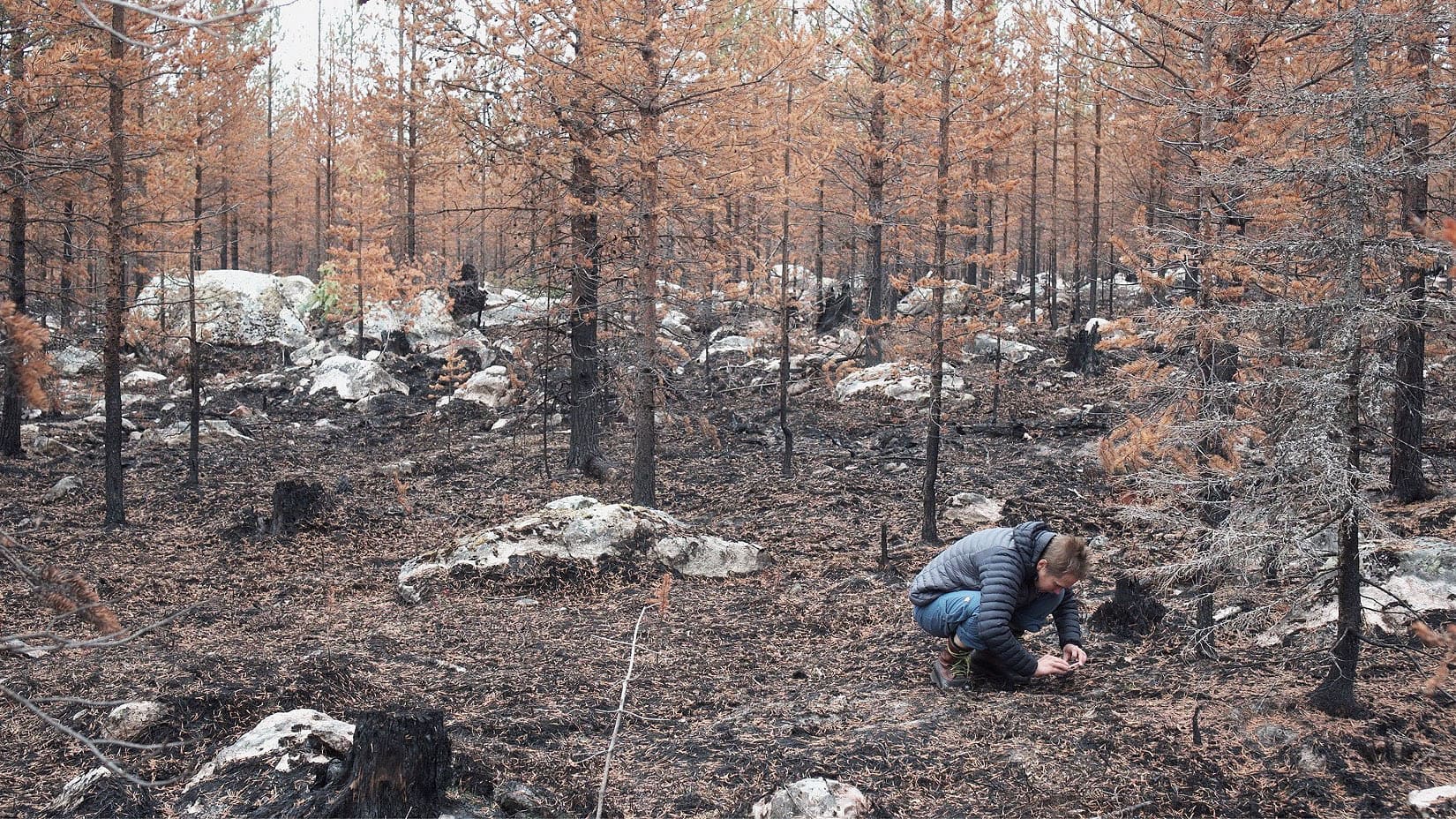
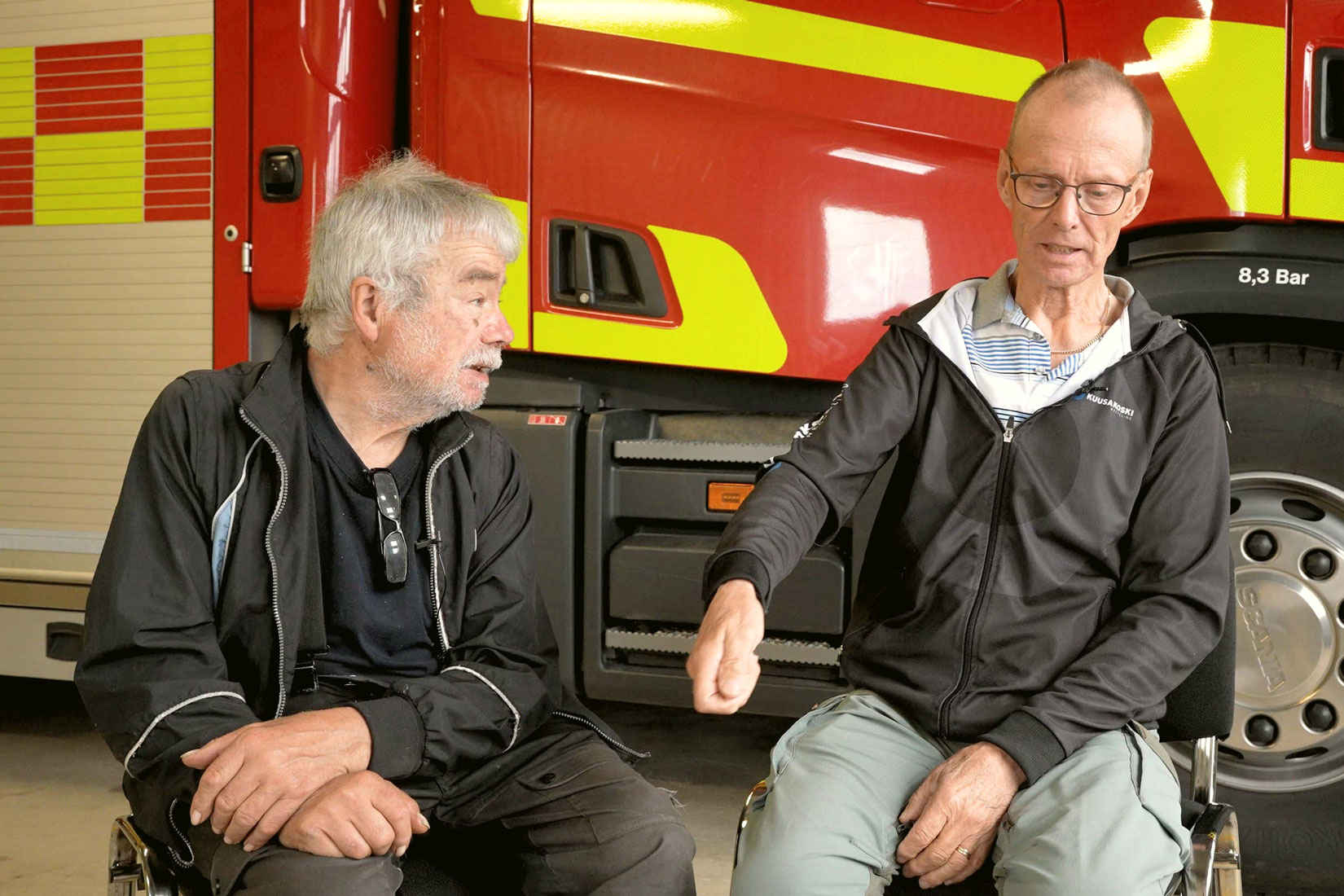
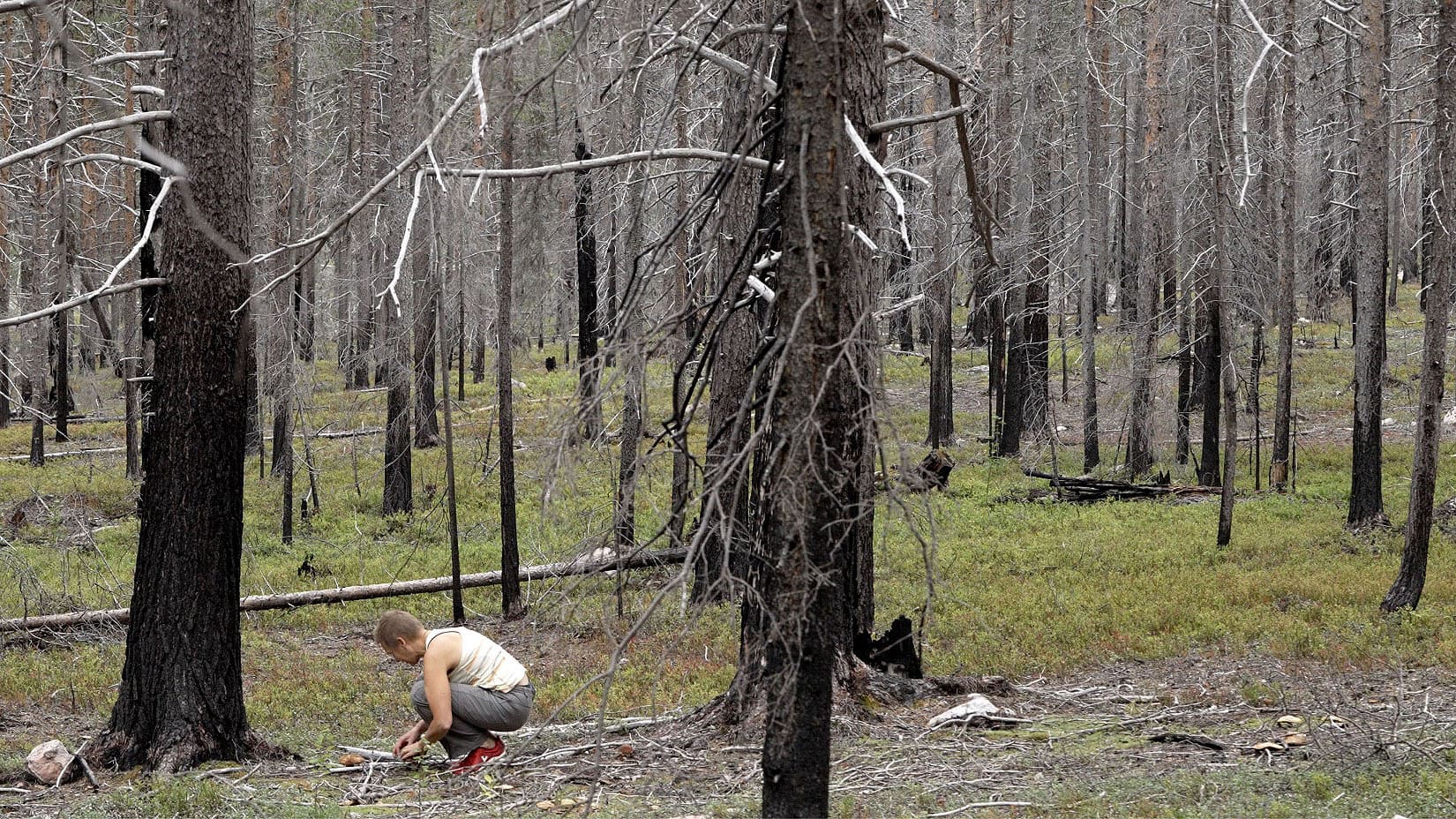
The impact of wildfires in Sweden, commonly claimed to be caused by climate change, has recently become a national and international concern. The overall aim of the inter-and supradisciplinary research project presented in this article is to analyse, document and draw attention to the local and Indigenous/Sámi stewardship of land, with specific regard to fire management, drought, and other aspects of climate change. The project situated within the growing field of Indigenous Land Based Education and Knowledge (Wildcat et al., 2014). The project brings together the disciplines of artistic research and visual documentation with the history of technology and science, environmental history, feminist technoscience, gender research and Indigenous methodologies as well as Sámi knowledge. Based on the methods available within these research disciplines, the project uses extensive fieldwork, archival research.
–
External Link
Ignacio Acosta and May-Britt Öhman writing contribution to peer-reviwed article edited by Chiara Sgarmella. The impact of wildfires in Sweden, commonly claimed to be caused by climate change, has recently become a national and international concern. The overall aim of the inter-and supradisciplinary research project presented in this article is to analyse, document and draw […]
‘X-ray examination of a sacrificed zone’ in
Missing Words for Considering Stones, Rocks, Pebbles and Mountains: A Vocabulary of Proximity Stone Statement Editions, Switzerland
Acosta written contribution to the publication by artist Mabe Bethonico presented at the Biennale Architettura 2021, in Venice.
–
External Link
Acosta written contribution to the publication by artist Mabe Bethonico presented at the Biennale Architettura 2021, in Venice. – External Link
Tales from the Crust, Interactions Magazine, UK
Ignacio Acosta and Arts Catalysts published a article in magazine that publishes work related to human-computer interaction.
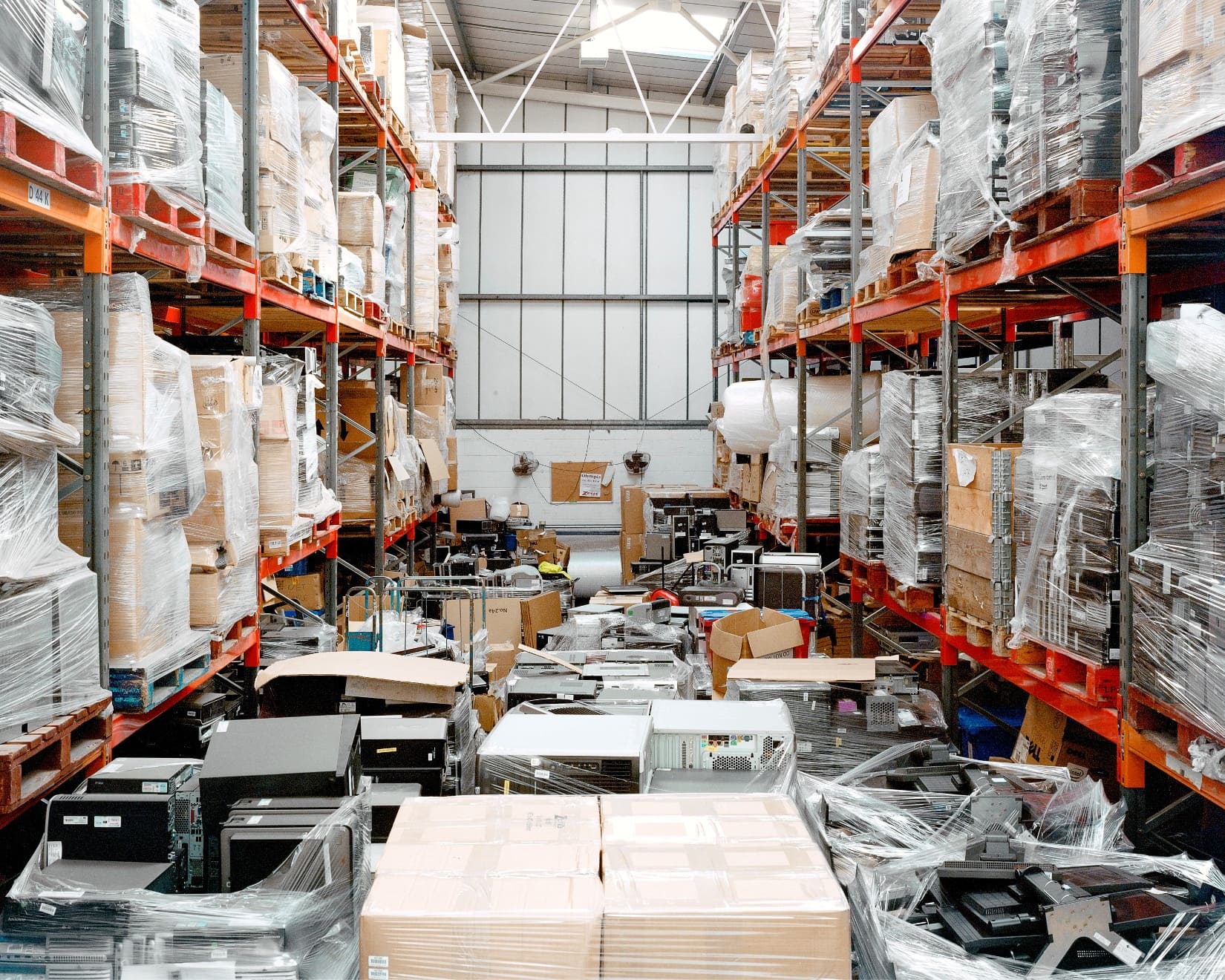
What is the global impact of accelerated economic growth? What is the environmental and social impact of intensified growth in the tech sector and the continued proliferation of technologies that are ubiquitous in contemporary life?
–
External Link
Ignacio Acosta and Arts Catalysts published a article in magazine that publishes work related to human-computer interaction. What is the global impact of accelerated economic growth? What is the environmental and social impact of intensified growth in the tech sector and the continued proliferation of technologies that are ubiquitous in contemporary life? – External Link
‘Trafficking the Earth: Documents on Nitrate, Copper and Capitalism’ in
Mineral Transformation and Resource Extraction: Pasts, Presents and Futures, Transformations Journal, Southern Cross University, Australia
Xavier Ribas, Louise Purbrick and Ignacio Acosta peer-reviewed article edied by Grayson Cooke (SCU) and Sally Babidge.
Trafficking the Earth documents the extraction of copper and nitrate from the Atacama Desert, Chile, and the accumulation of their values in metropolitan sites, the City of London and the houses of the British merchants in particular. Presented here as a photo-essay, it juxtaposes words and images to create constellations of meaning intended to disrupt a linear narrative of a past running smoothly into the present. The essay draws upon and tries to demonstrate a documentary practice that captures the collisions of time and the connected spaces of copper and nitrate mining as exemplary of an extractivist economy. The subject of the photography is the surplus of mining, its ruins, rubble and waste, which is offered not as a straightforward set of pictures but rather as perspectives through which the effects of global capitalism can be understood.
–
External Link
Xavier Ribas, Louise Purbrick and Ignacio Acosta peer-reviewed article edied by Grayson Cooke (SCU) and Sally Babidge. Trafficking the Earth documents the extraction of copper and nitrate from the Atacama Desert, Chile, and the accumulation of their values in metropolitan sites, the City of London and the houses of the British merchants in particular. Presented […]
Trafficking the Earth, Intuitive Editions/Editorial Gronefot: London/Santiago
Xavier Ribas, Louise Purbrick and Ignacio Acosta publication on the occasion of the exhibition Trafficking the Earth at the Museo de Arte Contemporáneo [MAC], Santiago, Chile (08.09.2017 – 12.11.2017) and the symposium Visuality, Materiality and Mining held on the 08.09.2017.
This publication is conceived as a ‘folded exhibition’ and distributed among environmental activists, pressure groups, lawyers and school teachers in mining communities in Chile. Followed by an introductory statement, the publication contains 49 photographs and 7 texts elements from the exhibition piece.
–
External Link
Xavier Ribas, Louise Purbrick and Ignacio Acosta publication on the occasion of the exhibition Trafficking the Earth at the Museo de Arte Contemporáneo [MAC], Santiago, Chile (08.09.2017 – 12.11.2017) and the symposium Visuality, Materiality and Mining held on the 08.09.2017. This publication is conceived as a ‘folded exhibition’ and distributed among environmental activists, pressure groups, […]
Coquimbo & Swansea, Intuitive Projects: London
Zine publication on the occassion of the exhibition Coquimbo & Swansea at the National Waterfront Museum of Swansea.
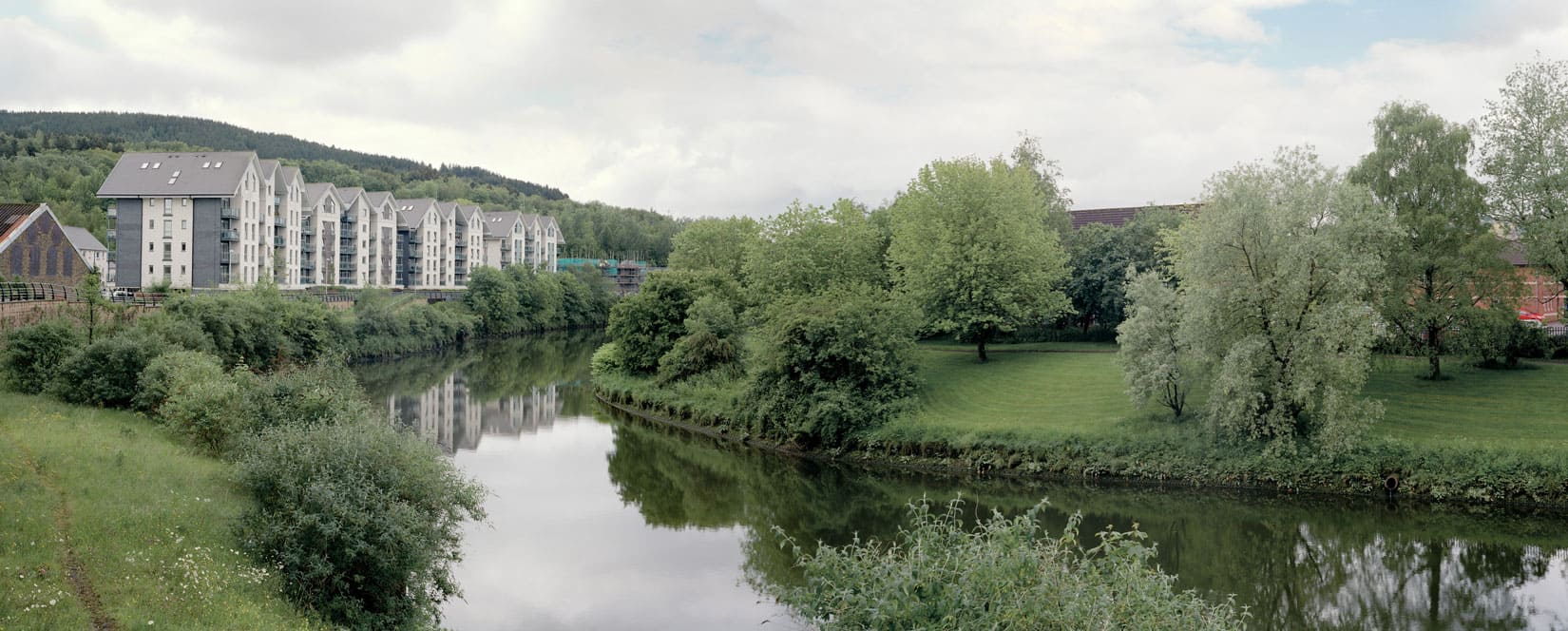
From the late 1820s, copper ore was extracted from the Region of Coquimbo, northern Chile and smelted in the Lower Swansea Valley, Wales. Copper was mined from remote sites and brought by mule to Las Compañias. One of Chile’s first industrial metallurgical centres and where smelting processes had been established. The ore and partly-smelted copper was shipped to the Lower Swansea Valley to be refined. The valley was heavily contaminated for more than two centuries, until the1960s and 1970s when conservation work was carried out to reclaim polluted land.
–
External Link
Zine publication on the occassion of the exhibition Coquimbo & Swansea at the National Waterfront Museum of Swansea. From the late 1820s, copper ore was extracted from the Region of Coquimbo, northern Chile and smelted in the Lower Swansea Valley, Wales. Copper was mined from remote sites and brought by mule to Las Compañias. One […]