Curada por Carolina Castro.
Eexposición que reúne obras, archivos y registros nacidos desde la defensa, observación y cuidado del territorio. La muestra aborda los vínculos entre glaciares, ríos, montañas, flora, fauna y comunidades frente a distintos conflictos socioambientales de la cuenca.
-

Installation view From Mars to Venus 13 Biennal de Arte Leandro Cristòfol – Prologue Curated by María Íñigo Clavo and Christian Alonso

Curated by Claudia Emmert and Inna Neddermeyer.
How and in which spaces can we live together in the face of a profoundly changing planet? How can a cross-species community succeed? The 16th Fellbach Small Sculpture Triennial will focus on the theme of "habitats" with sculptural objects by around 60 contemporary artists. This is where all the defining issues of our time culminate: climate change, pandemics, wars, migration, etc. Habitats of living beings within a biotope are finite, vulnerable and cannot be restored at will. The 16th Small Sculpture Triennial therefore asks the question: How do we want to deal with the earth and its habitats? And: Where do we want to be? The exhibition shows how contemporary artists locate the topic between utopia and dystopia. The sculptures show habitats cultivated by humans, to which animals, fungi and plants have adapted, and are reminiscent of lost habitats that had to give way to the demands of a society geared towards growth. They refer to habitats that are still shaped by the destruction of colonialism and allow the viewer to wander into alternative futures: into hybrid, digital, decolonial, symbiotic or extraterrestrial habitats, which are sometimes ironically exaggerated and inspired by science fiction and gaming figurations. Terms such as cohabitation and equality, empathy and care also make clear the struggle for new collective narratives that could describe a possible change. The exhibition therefore also negotiates approaches to a new understanding of nature, not in the sense of a naturalization of humans or an anthropomorphization of nature - but in the sense of an equal survival community. During the exhibition, the Alte Kelter in Fellbach itself becomes a habitat. The exhibition can be experienced as a sensual-aesthetic landscape.
The artistic positions are embedded in it and at the same time spaces are created for lingering and exchanging ideas. The spectrum of the works of art ranges from traditional small sculptures to aluminum and tin casts, 3D scans, architectural models, hybrid objects made of natural and artificial materials and design objects such as shoes made of organic materials. In addition, the artists make invisible phenomena such as fine dust pollution in the air or the impact of radioactive particles on the earth visible. Experimental artistic test arrangements take a speculative look at possible futures.
-
External Link

From Mars to Venus, La Panera, Lleida, Spain

Curated by María Íñigo Clavo and Christian Alonso.
The 13th Art Biennale Leandre Cristòfol focuses on the processes of resource extraction: on its implications, its contestations and its alternatives. With a prominent presence of Latin American artists, the exhibition responds to ecosocial crises with works that offer an antidote to the utilitarian vision of nature. The projects alert us to the consequences of a development based on intensive extraction and the commodification of resources in the service of unlimited growth and excessive consumption. Based on situated, critical and affirmative methodologies, the works situate life at the centre of ethical, political and economic issues; they reconsider the ways of valorising human and non-human life, and promote practices based on the common well-being.
Extractivism is a mode of production based on the privatization, extraction and commercialization of natural resources. This dynamic originates in European colonization, and in the exploitation of goods, bodies and knowledge this process entails. Today, extractivism is the operating logic of neoliberal capitalism, and is practiced by companies and governments everywhere. The argument that legitimizes extractivism is that it generates jobs and contributes to economic growth. However, it has profound impacts on people and ecosystems: it generates social inequalities and territorial conflicts; it contributes to resource depletion, biodiversity loss and environmental pollution; it produces large amounts of waste, and it strips local communities of their resources and territories.
The projects included in the Biennial demonstrate that contemporary extractivism is not only feeds on natural resources, but also by social, cultural and digital resources. Focusing on Spain’s colonial history with North Africa and Latin America, the works highlight the link between extractivism, colonialism and environmental degradation; they warn us of the pitfalls of green marketing; they speak of the extractive function of mass tourism, urban gentrification and information and communication technologies; they question the biopolitical function of landscape painting and the sculptural monument; they speak of the capacity for resistance of local communities; they show the restorative function of ancestral rituals based on respect and interdependence with nature; they carry out healing actions from popular culture, spirituality and the feminization of struggles.
Bárbara Fluxá, Carolina Caycedo, Colectivo Cambalache (Carolina Caycedo, Alonso Gil and Federico Guzmán), Estampa (Roc Albalat, Pau Artigas, Marcel Pié, Marc Padró and Daniel Pitarch), FRAUD (Audrey Samson and Francîcco Gayardo), Gabriela Bettini, Ignacio Acosta, Joana Moll, Left Hand Rotation, Marilyn Boror Bor, Marina Planas, Paula Bruna, Raúl Silva, Rosell Meseguer, Sandra Gamarra Heshiki, Seba Calfuqueo.
–
External Link

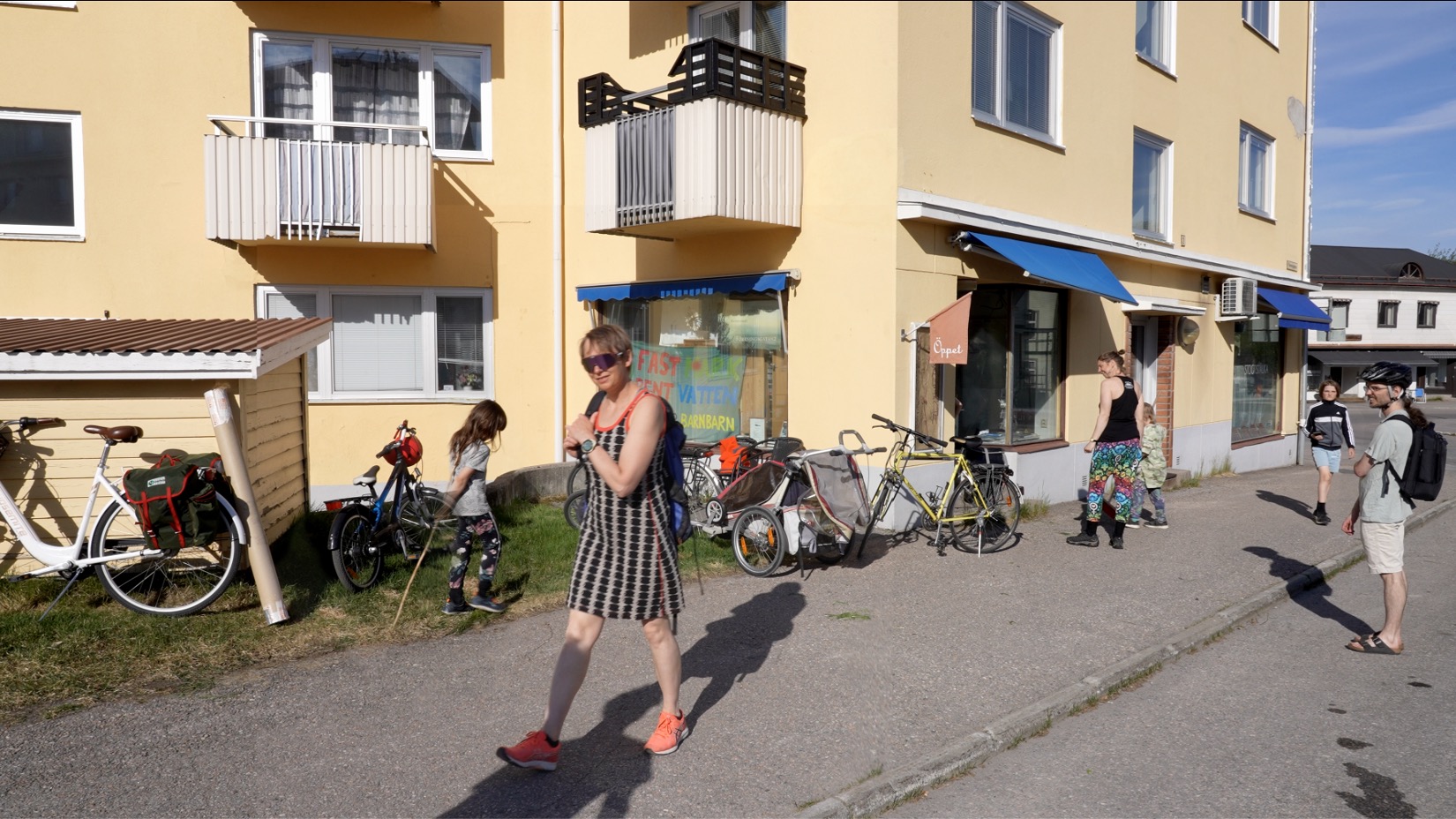
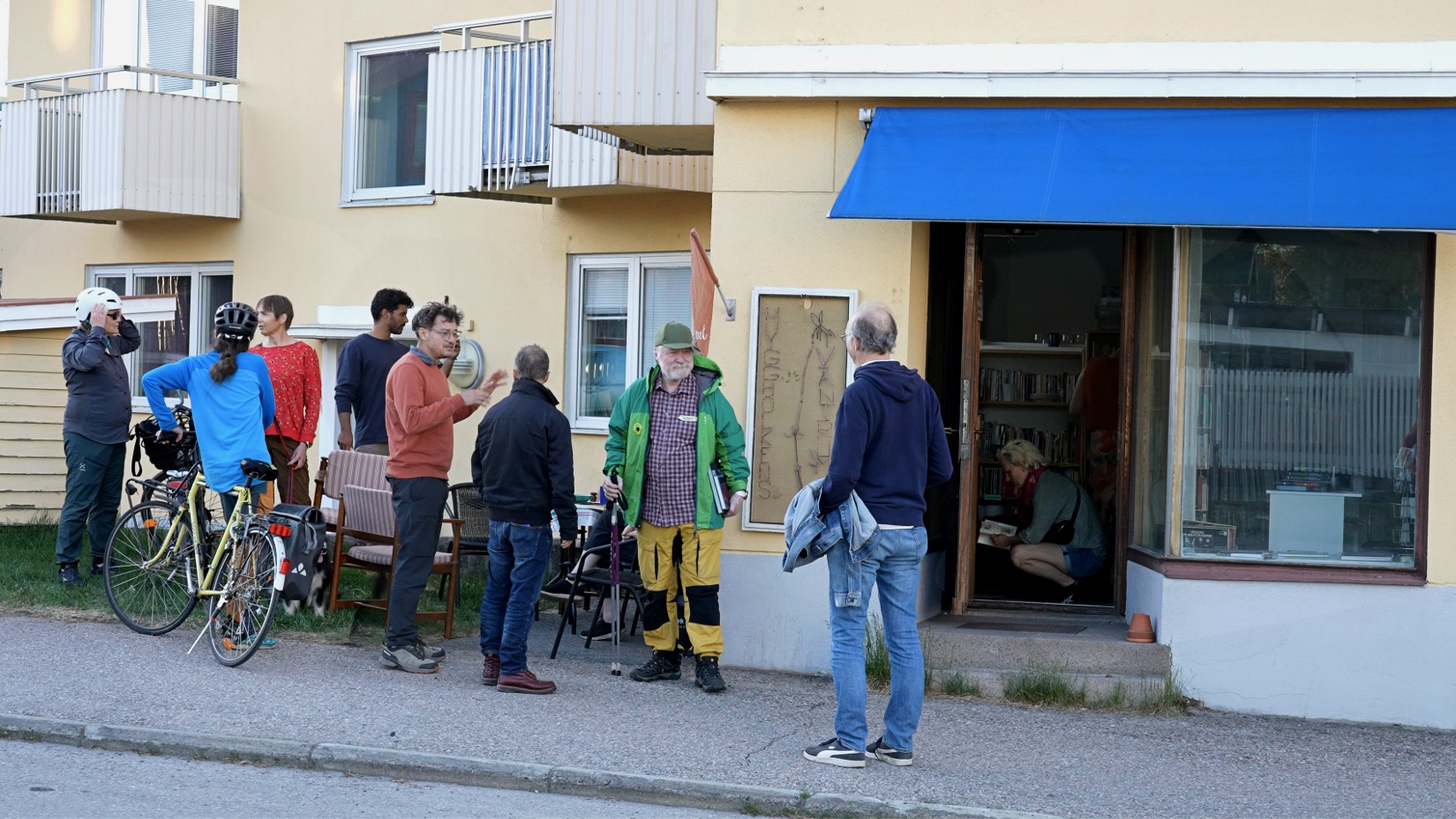
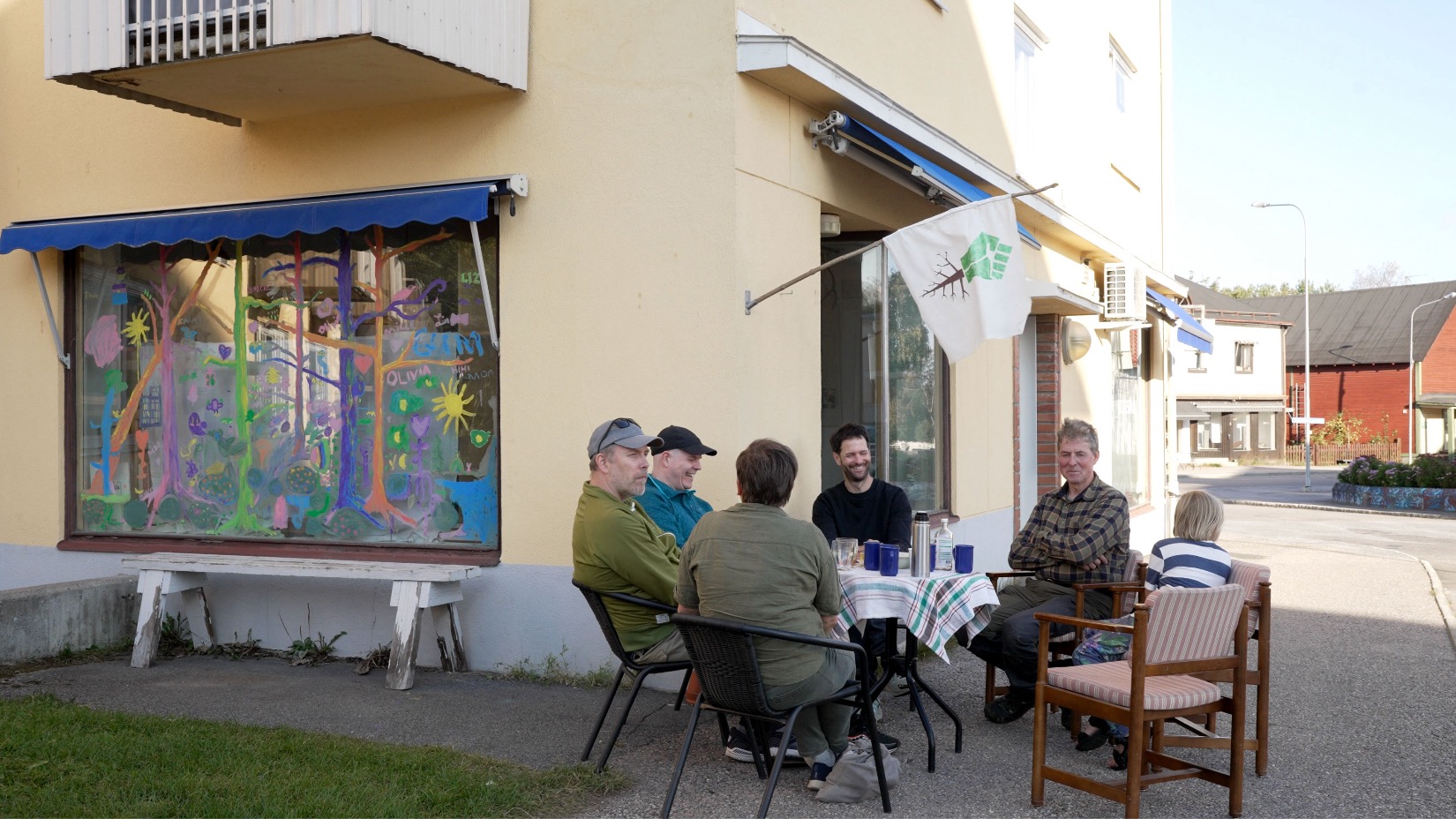
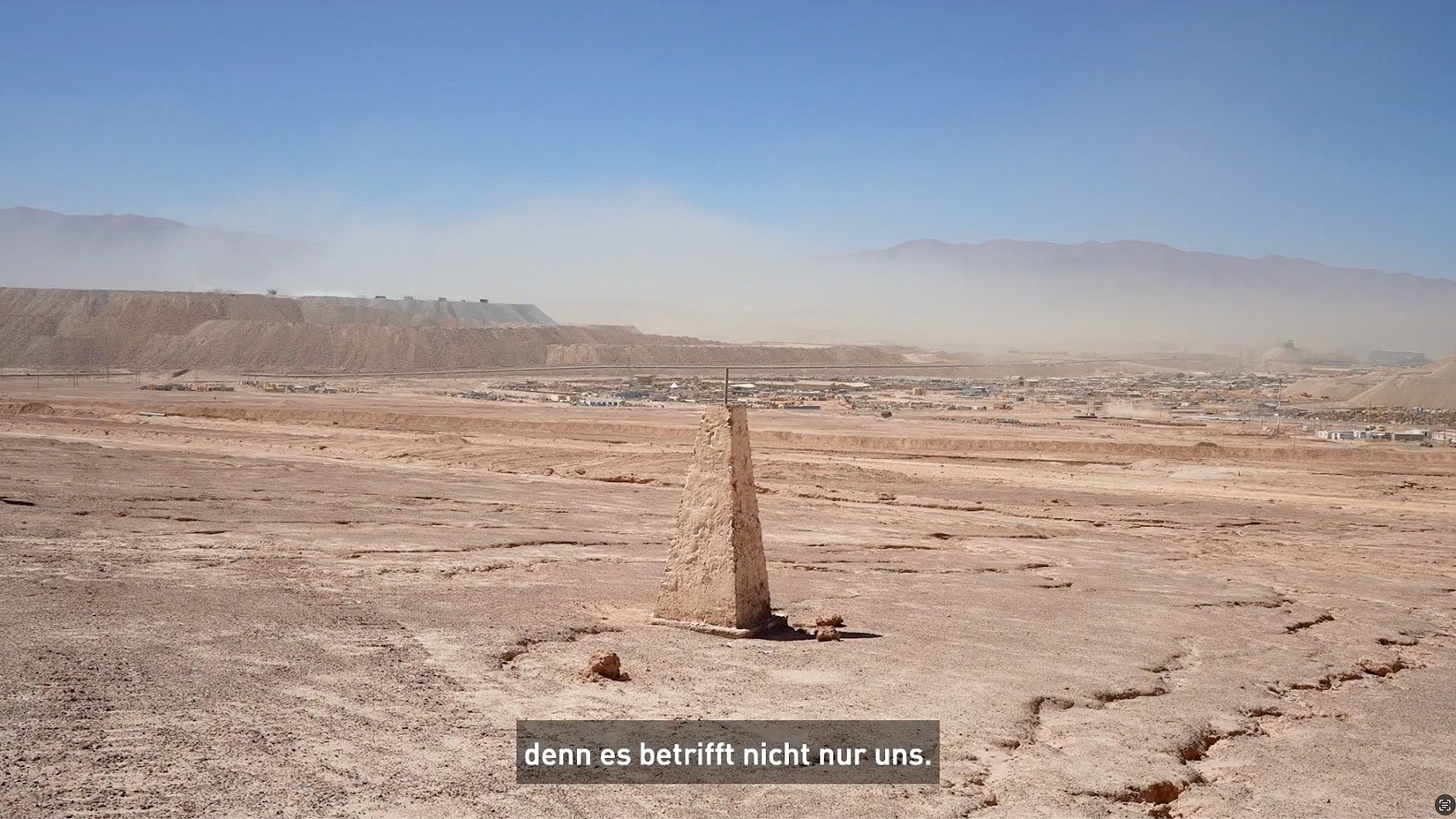
From Mars to Venus brings together works by artist and researcher Ignacio Acosta untangling politics of representation, extraction and resistance across two seemingly distant geographies: Sápmi in northern Sweden, home to the Sámi people; and the Atacama Desert and Andes Mountains region in Chile. The expansion of mining projects in these regions already affected by anthropogenic climate change has led to a rise in social, environmental, and economic injustices. Faced with the sustained violence that mining exerts on bodies and ecosystems, the exhibition brings these distant regions into dialogue with each other through their diverse strategies of resistance, highlighting the determination of Indigenous and local people to maintain their knowledge, traditions, and ways of life in increasingly fragmented territories.
In ancient cosmology, planets and minerals have long been associated with alchemical traditions, astrology, and symbolic correspondences. Mars is symbolized by iron, while Venus is associated with copper. In this work, Sápmi where the majority of the iron is mined in Europe, becomes Mars; and the Atacama-Andes region, where the largest amount of the world’s copper is produced, becomes Venus. Mars and Venus; iron and copper—like yin and yang, opposites but interconnected.
Rooted in an animistic belief that inanimate objects and places possess souls and agency, Acosta’s work envisions these distant territories rich in minerals and wisdom as connected bodies of knowledge. The exhibition begins with three video projects that highlight the role of social movements in refusing and contesting mining exploration ventures. Juxtaposing traditional knowledge with the scale of mining operations and the observation of space, the works consider the roles of technology and spirituality in resisting settler colonial exploitation, and open up ways of thinking and engaging with care-based community-led strategies of visibility and counter-surveillance.Showed alongside these films are photographic installations, documents, objects and a video that reflect on the unequal geographical development of extractivism, zooming in on mining’s legal frameworks and the resultant loss of biodiversity and toxicity from resource extraction. Stemming from a practice grounded in rigorous research methodologies and long-standing collaborative processes, these works challenge the narrative of the so-called “green transition” while acknowledging these spaces as pluriversal and highlighting the importance of small community-run spaces of resistance forged in the confluence of feminist and queer activism.
From Mars to Venus marks Acosta’s first solo exhibition in Spain and serves as the prologue to the 13th Leandro Cristóbal Art Biennial at La Panera Art Centre in Lleida, dedicated to art and extractivism.
Collaborators: CEMFOR, Uppsala University, Royal College of Arts (RCA) London, University of Brighton, University of Lleida, University of Barcelona and Open University of Catalonia.
–
External Link
–
Download List of works

Installation view

The single-video channel Green Paradox was commissioned by Futurium, Berlin for their annual theme on raw materials Treasures of the Future.
The exhibition explores among other things, what effects the extraction and consumption of raw materials have on humans and nature; which players, demands and geopolitical interests shape the global raw-materials industry; and how raw materials can be extracted, recycled and reused in a manner that’s more environmentally friendly and socially equitable.
Raw materials shape our lives. Our entire existence is based on them. We use them to build our houses, to power our cars and machines, to bake our bread, and to produce our smartphones and computers. A world without raw materials? Unimaginable. But the challenges are immense: the demand for raw materials is constantly increasing, their extraction puts a strain on the environment and local populations. The situation is aggravated by the fact that the burdens of extraction as well as access to raw materials are unevenly distributed around the world. Starting in May 2024, Futurium will explore what sustainable and equitable futures for raw materials could look like and what steps we need to take today to turn them into reality.
–
External Link
En 2006, lors de l’exploitation d’une carrière de calcaire, les archéologues découvrent un mystérieux site d’époque celtique sur la colline du Mormont, près de La Sarraz. Occupé au tournant des 2e et 1er siècles av. J.-C., ce lieu énigmatique demeure sans équivalent en Europe celtique. Il a livré près de 250 fosses, certaines profondes de 5 mètres, dans lesquelles étaient disposés des milliers de restes de repas ainsi que des dépôts rituels complexes impliquant non seulement des objets, mais aussi des animaux entiers et des humains.
L’exposition retraçait l’histoire extraordinaire de la colline. Comme dans une investigation policière, le visiteur était invité à enquêter aux côtés des experts, afin de réfléchir et tenter de comprendre ce site qui demeure toujours énigmatique. De la découverte des fosses à l’évolution des interprétations, cette épopée scientifique continue de s’écrire.
–
External Link
Ever since its invention, photography has relied on the extraction and exploitation of natural resources. In the 19th century these were salt, copper and silver, which were used for the first photographs on copper plates and for salt paper prints. With the advent of gelatin silver prints, the photographic industry became the world’s biggest consumer of silver by the late 20th century, accounting for more than half of global usage.
In the age of digital photography and smartphones, image production requires metals such as coltan and cobalt, as well as those of the rare earths. Furthermore, both storing and distributing images produce large amounts of CO2. “Mining Photography” is dedicated to the material history of the commodities that are of crucial importance to photography, showing how their extraction and disposal are linked with climate change. An exhibition by the Museum für Kunst und Gewerbe Hamburg in collaboration with the Kunst Haus Wien and the Gewerbemuseum Winterthur.
–
External Link
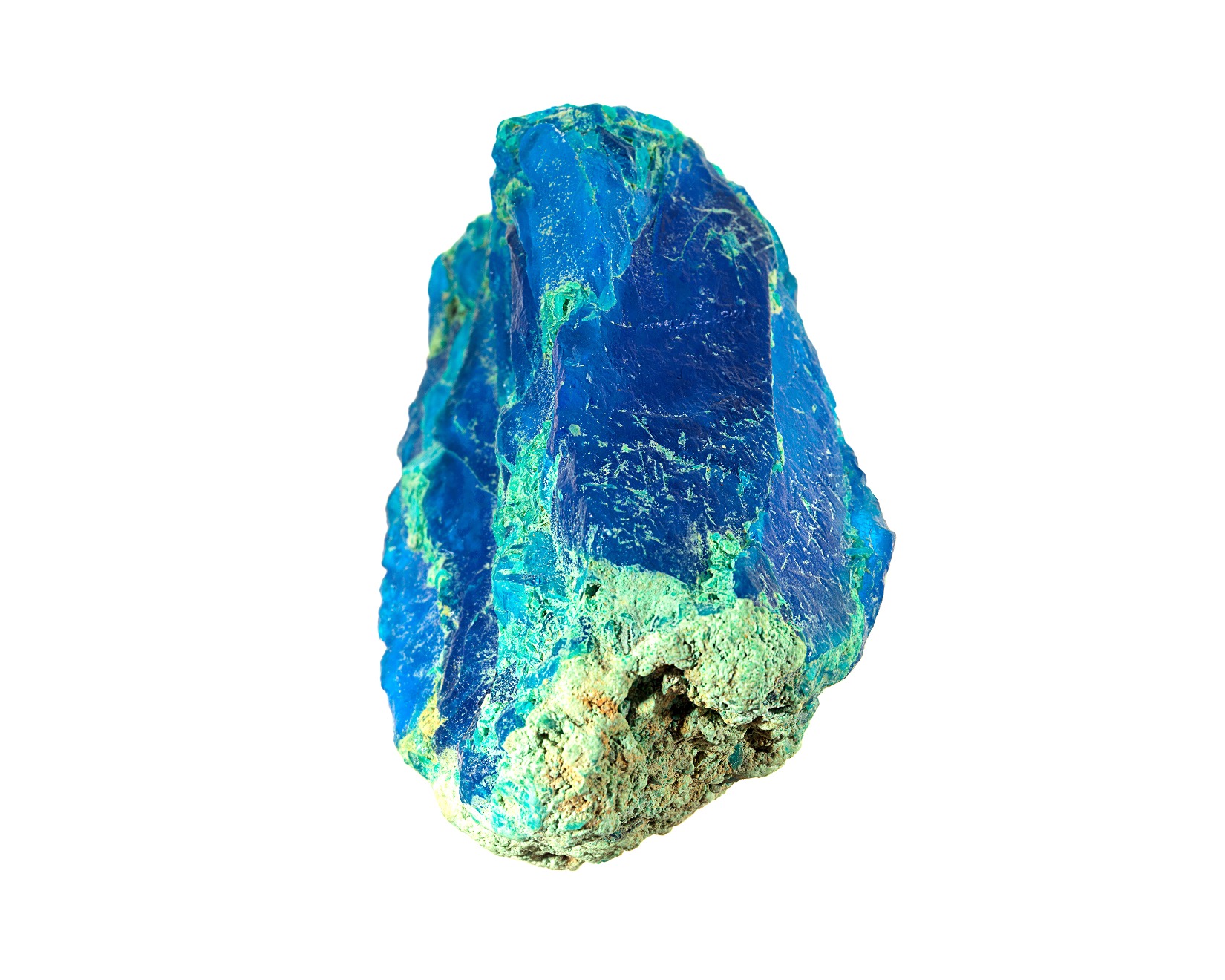
Exhibition curated by Boaz Levin and Kathrin Schönegg. A catalogue with Spector Books is presented on the occasion of the exhibition.
Rice grains snake diagonally across an intense blue ground. Only at second glance does the image reveal its meaning, one as deep as the cyanotype’s indigo. The photographic process references the dawn of photography in the nineteenth century, while the rice grains evoke nature and nourishment. They also allude to the 1943 famine in Bengal (now Bangladesh) caused by the hoarding of grain by British colonial troops, as well as the mass cultivation for export of the lucrative indigo plant, used for dye.
The consequences of systematic and profit-orientated human interventions in existing ecosystems are among the most urgent matters facing us today. Flooded valleys and coastal cities, desolate landscapes and parched fields, melting glaciers and destroyed buildings are just some of the images that reach us daily, showing the effects of the climate crisis. And yet they are oddly intangible, supposedly unconnected to human actions.
The group exhibition Image Ecology presents a global cross-section of twelve contemporary artistic responses in the form of photographs, video works, and installations. The artists employ experimental and traditional production methods, historical processes, as well as new technologies. The exhibition lays out the stages of the metabolic process in four thematically linked parts—Energy, Material, Labor, and Waste, ending by returning to the start with Energy.
–
External Link
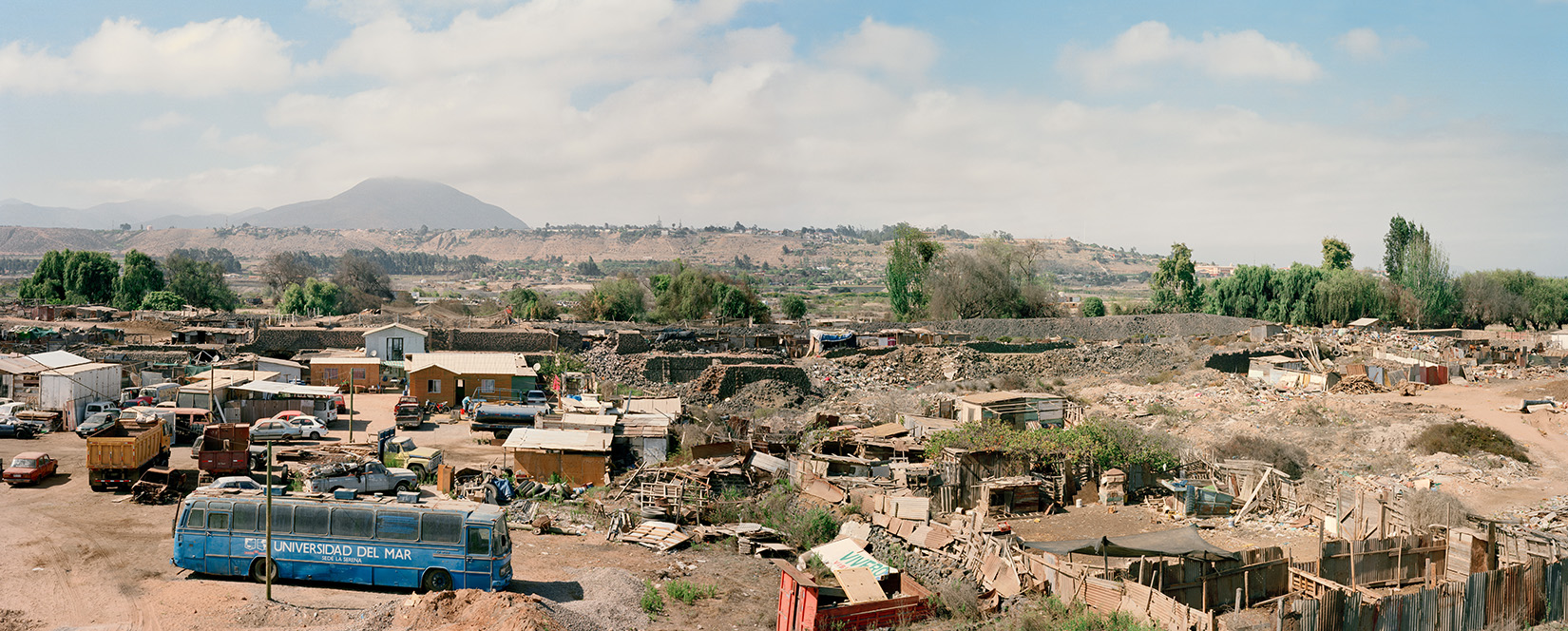
Ignacio Acosta presents site-specific installation at art library and material archive of the Sitterwerk Foundation, St. Gallen focusing on the appearance of copper in the collection. Produced during an artist residency, Ignacio was invited to respond to the collection. The display combines material copper objects and publications focusing on the transformation of copper alongside the commodity chain. It is divided into four different sections: 1) Alchemy; 2) Transformation; 4) Sustainability; and 4) Bronze Art. The intervention was developed within the so-called “dynamic order” of the library, an approach that facilitates a constantly changing position of the books on the shelves by means of RFID technology.
Part of My ABC is… series is in collaboration with Stella Carlsen, responsible for the sustainable management of Art Foundry St Gallen (Kunstgiesserei). Addresses issues regarding the sourcing and acquisition of materials, some of which are also found in the material archive collection. Alongside Ignacio Acosta, she has been invited to contextualize the copper elements present in books and material drawers not just within the periodic table, but in a broader context, relating them to themes of art production.
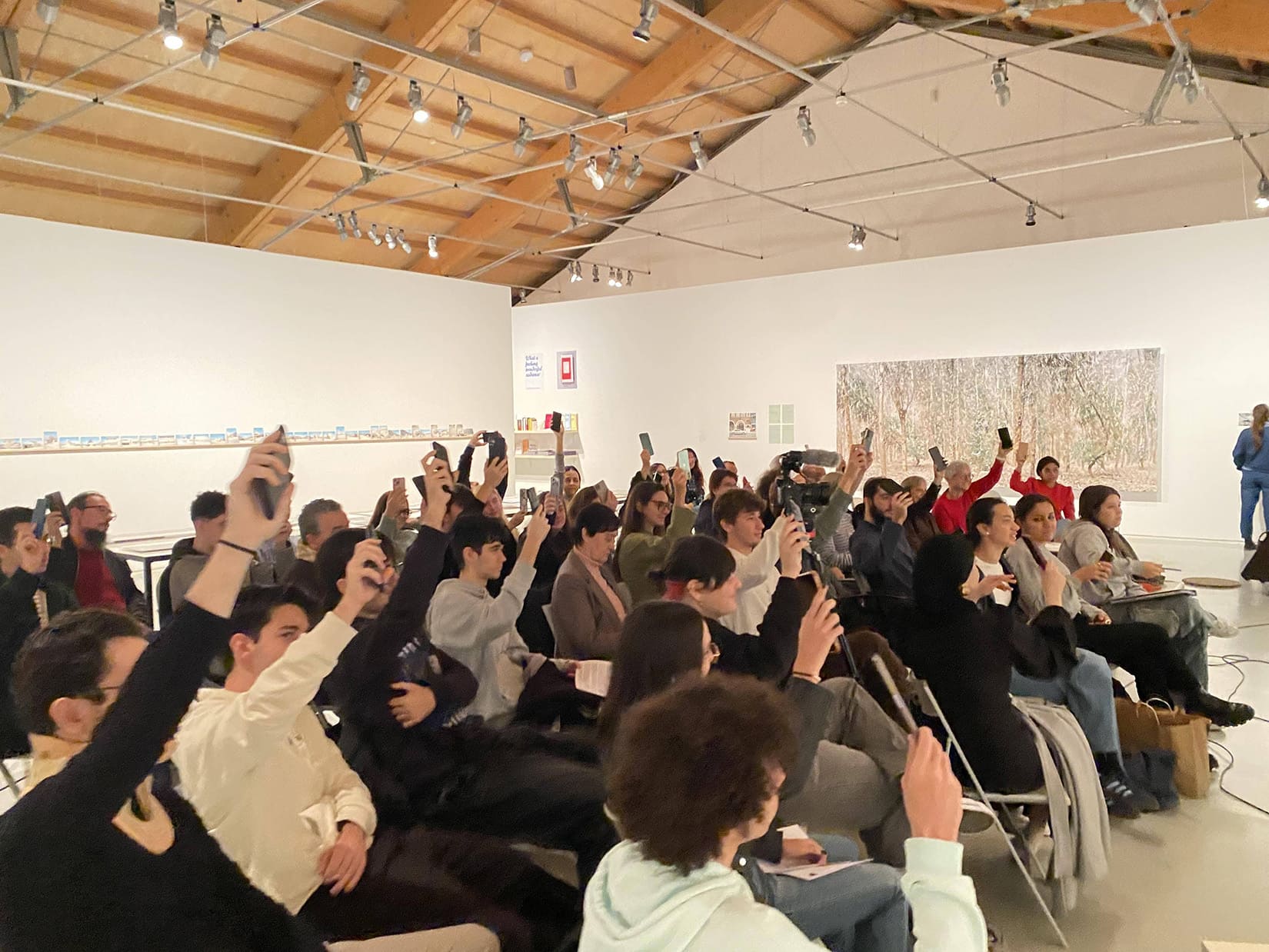
On September 28th there was a presentation and public discussion moderated by Patricia Hartmann. Acknowledgments: Barbara Biedermann, Katalin Deér, Roland Früh, Felix Lehner, Julia Lütolf, This Keller, Julia Walk, Eveline Wüthrich. Workshop series supported by Kanton St. Gallen, Kulturförderung / Swisslos, Stiftung Temperatio, TISCA Tischhauser Stiftung.
–
External Link
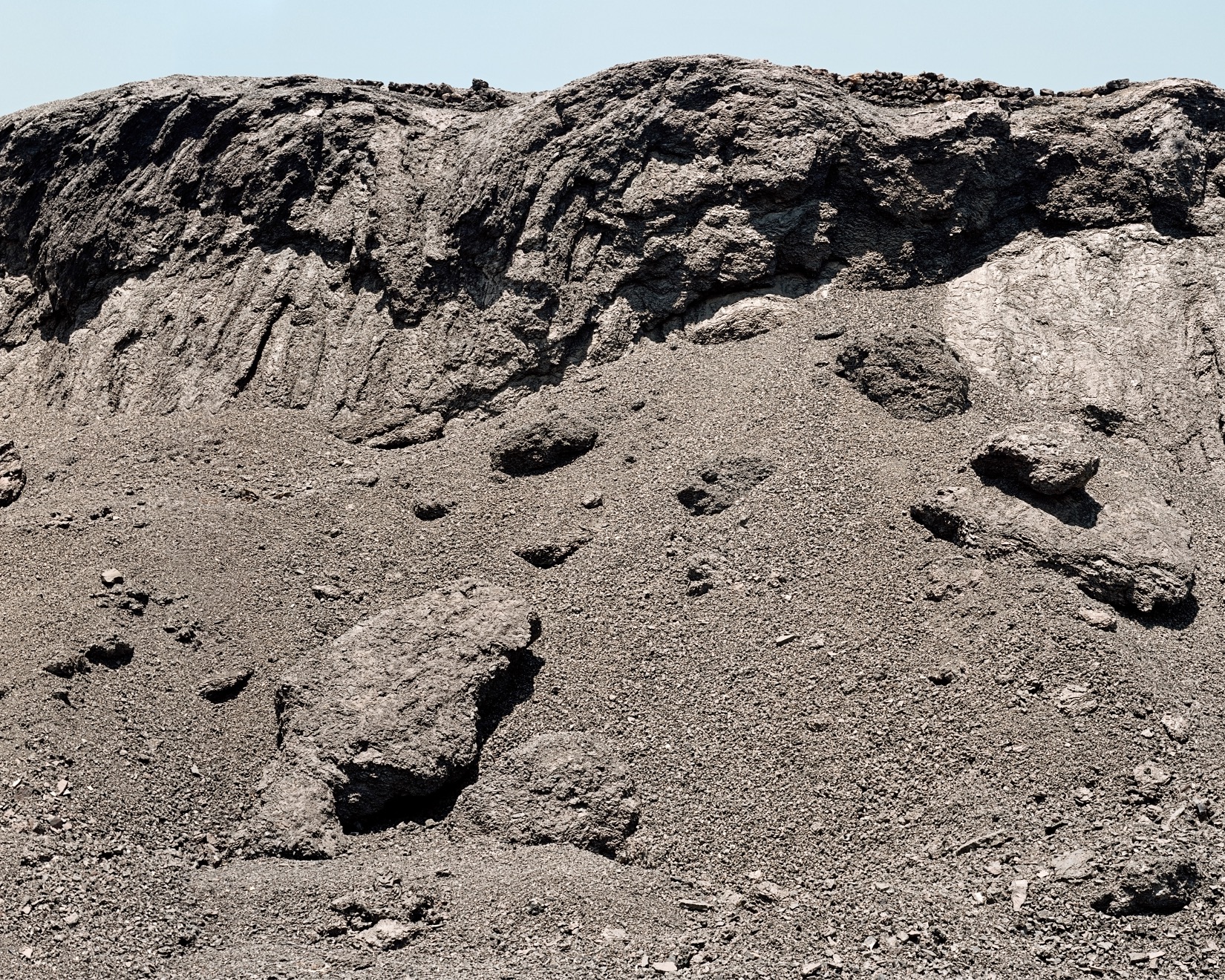
The mining of raw materials is becoming an increasing ecological, economic, political and social problem with global impacts. Extensive mining practices and the exploitation of ecological and social systems are causing one of the greatest environmental burdens of our time. Their consequences are often dramatically visible, yet the fight for resources continues, in new locations that sometimes seem utopian. The interdisciplinary exhibition Into the deep. Mines of the Future at the Zeppelin Museum looks critically at the metal aluminium, the so called “metal of flight”, a material tightly connected to the history of the city of Friedrichshafen, as well as the complex connections of Deep Sea and Deep Space Mining. Alongside the consequences of environmental destruction and colonialism, both results of constantly increasing extraction practices, the fully climate-neutral exhibition explores resistance and activism against the exploitation of people and the environment.
–
External Link
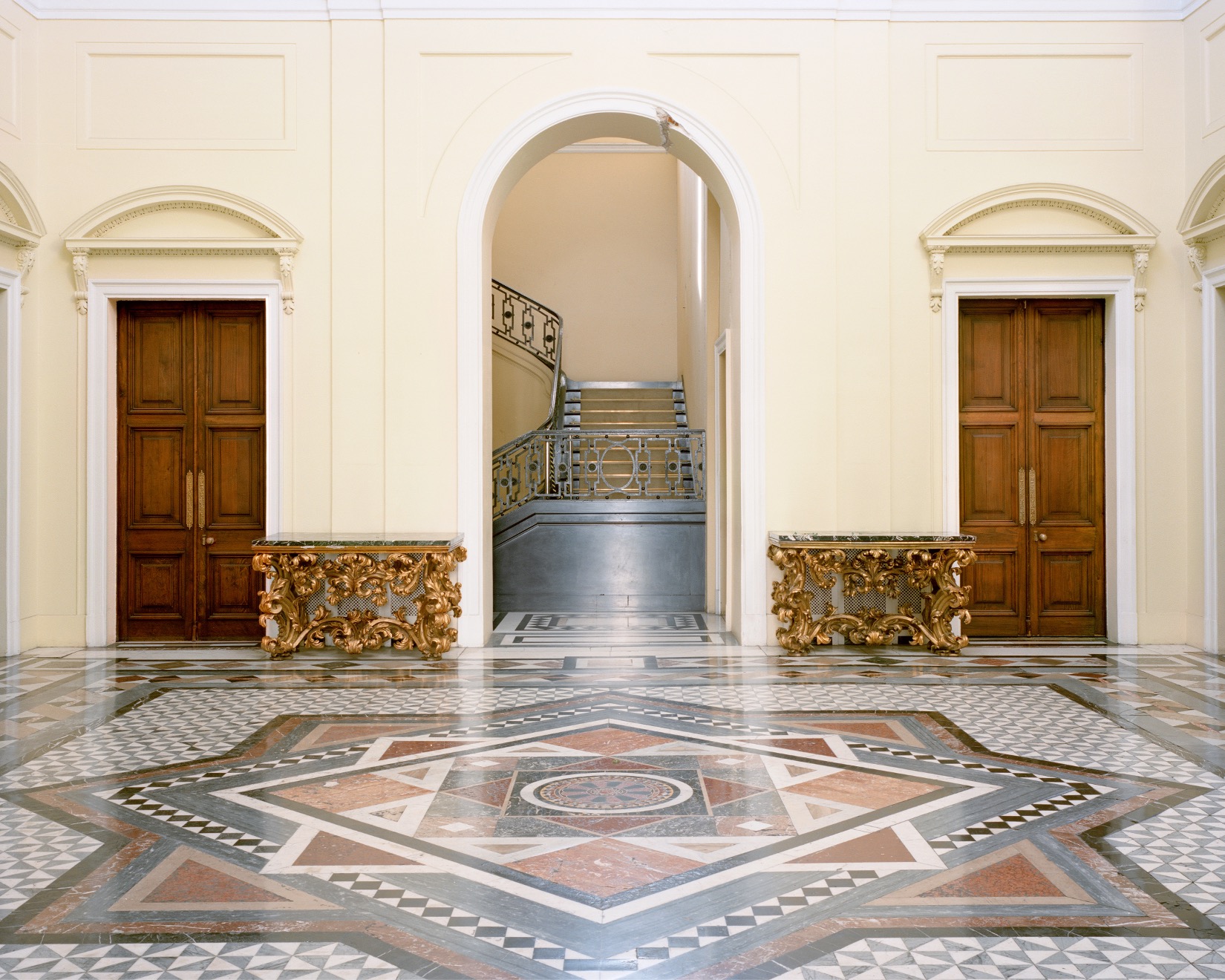
Norway is a world leader in hydropower, a reliable, secure, and renewable source of energy that meets 90% of the country’s needs and is vital to a low-carbon future; but hydropower development can also mean the intrusion of modernity into wild landscapes, the destruction of cultural heritage and the disruption of traditional patterns of life. All That Is Solid Melts Into Water looks at the way artists have responded to and reflected on this development – from Telemark to Sápmi, from the Mapuche lands in Chile to the Nubian territories of Egypt and Sudan.
The exhibition at Kunsthall Oslo begins with a remarkable series of large-format watercolours by Theodor Kittelsen depicting the construction of Norsk Hydro’s first power stations at Svælgfoss, and comes up to the present day with the words of the Mapuche spiritual leader Millaray Huichalaf, as inscribed by artist Ignacio Acosta, protesting against the Norwegian company Statkraft and their development of the Pilmaiquén Hydroelectric Plant. Arild Våge Berge’s installation works offer a poetic exploration of Norwegian hydropower engineering, while works by Sami artists Keviselie and Katarina Pirak Sikku present a critical view from Sápmi. Colombian artist Caroline Caycedo’s River Books depict traditional ecologies and political conflicts around river systems in various indigenous territories. Ala Younis presents a new sculpture recalling the life of Osman Ahmed Osman, the Egyptian contractor who led the construction of the Aswan High Dam.
The presentation at the Intercultural Museum offers a rare chance to see one of the Nubian archaeological artefacts discovered during the building of the Aswan High Dam on the River Nile (1960–70), alongside newly-commissioned artworks by Fadlabi and Hanni Kamaly that reflect on the social upheavals caused by the dam’s construction.
With Kintuante (2023), a newly-commissioned work, Acosta brings a message from Machi Millaray Huichalaf, a spiritual and community leader tasked with defending the Pilmaiquén River in Chile from the construction of dams that would flood places sacred to the Mapuche-Williche people. In the message, the Machi emphasizes that Statkraft’s continued exploitation of the Pilmaiquén will lead to the destruction of the Kintuante, and the Mapuche way of life
Curated by Mariam Elnozahy and Rado Ištok
–
External Link
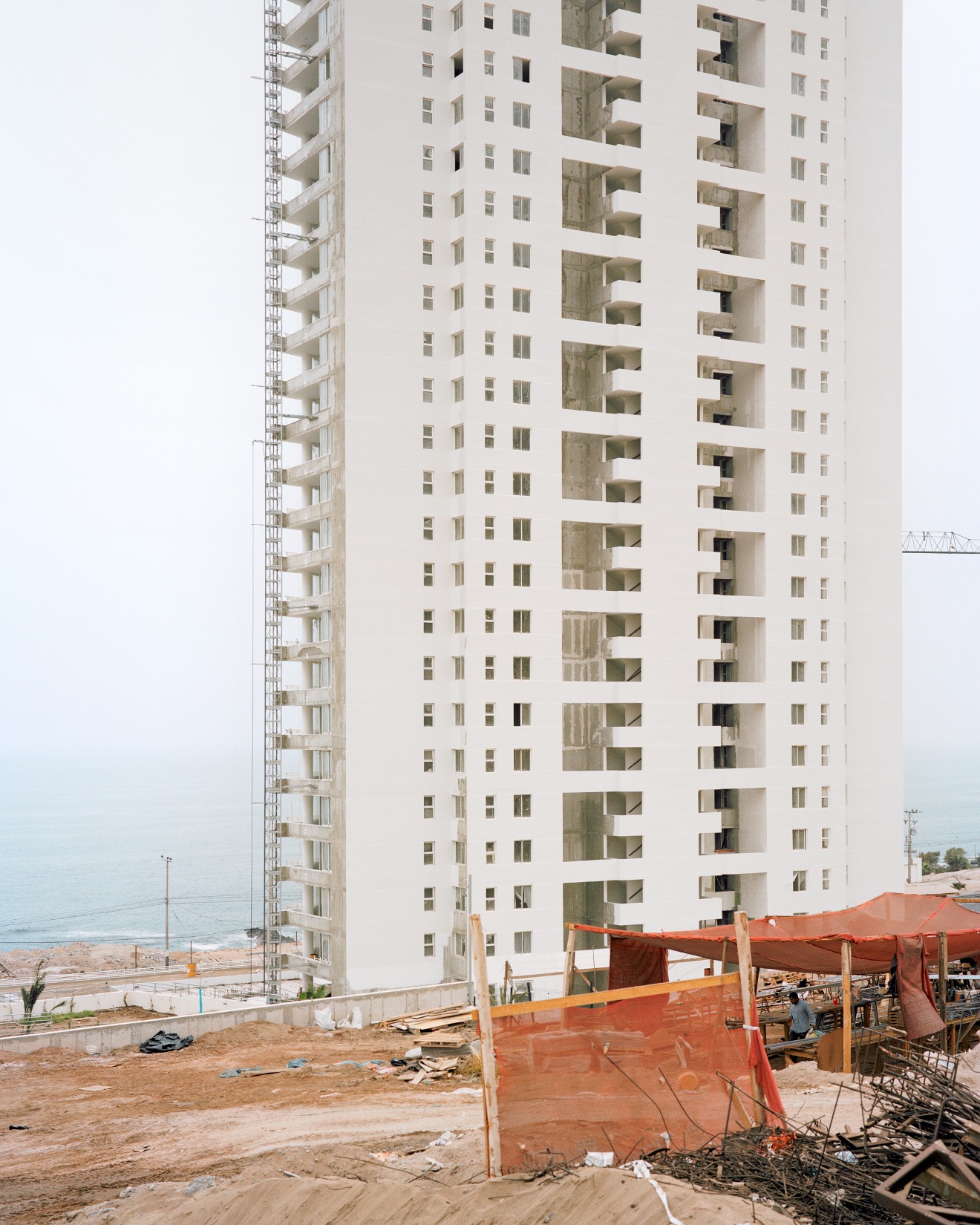
Exhibición curada por José Ignacio Vielma Cabruja.
Exhibicieon que reune 31 artistas se reúnen en un cuerpo razonado de fotografías que registran, aluden u operan en los paisajes productivos en Chile. Las obras son testimonios de territorios que han sido adaptados, degradados, asegurados o mitigados, a partir de los modos de extracción y producción. Esta muestra que da cuenta del cambio en el paisaje durante veinte años, entre 2020 y 2022, en el marco de su investigación Fondecyt Territorios elusivos: La fotografía de autor del paisaje productivo en Chile como experiencia y documento (2000-2020), en desarrollo desde el año 2021.
–
External Link
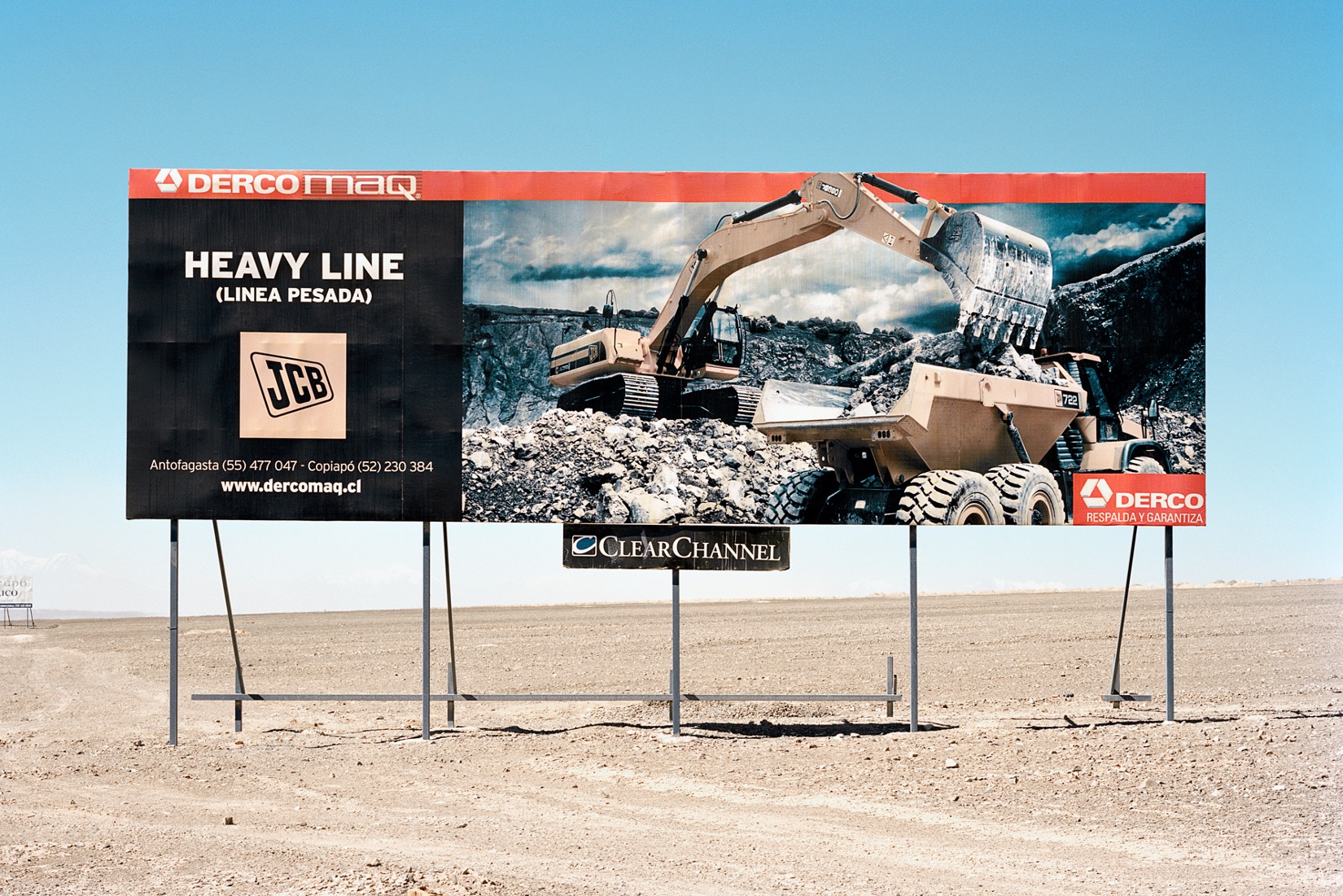
Just how sustainable is the ‘eternal moment’? To what extent does the production of photographs contribute to man-made climate change? Mining Photography. The Ecological Footprint of Image Production looks at the history of the key raw materials involved in photography: how they are mined originally, how they are disposed of, and the impact on our environment. A history of materials in five acts!
At the exhibition, historical photographs, contemporary artistic positions and interviews with experts tell the story of art photography from the perspective of its industrial production. Where, for example, did the copper come from that was used for Hermann Biow’s famous daguerreotype of Alexander von Humboldt? Showcasing 170 works, the exhibition impressively illustrates how, ever since its invention, the medium of photography has contributed to man-made changes in nature – and continues to do so to this day. From the very outset, the production of photographs has depended on the extraction and exploitation of natural raw materials. In the 19th century, salt, copper and silver were used to create the first images on copper plates and for salt prints. Following the advent of silver gelatine prints, the photography industry became the most important consumer of silver in the late 20th century, accounting for more than half of global consumption. Today, in the age of smartphones and digital photography, image production relies on rare earths and metals such as coltan, cobalt and europium. The storage of images and their dissemination also produce large quantities of CO2.
–
External Link
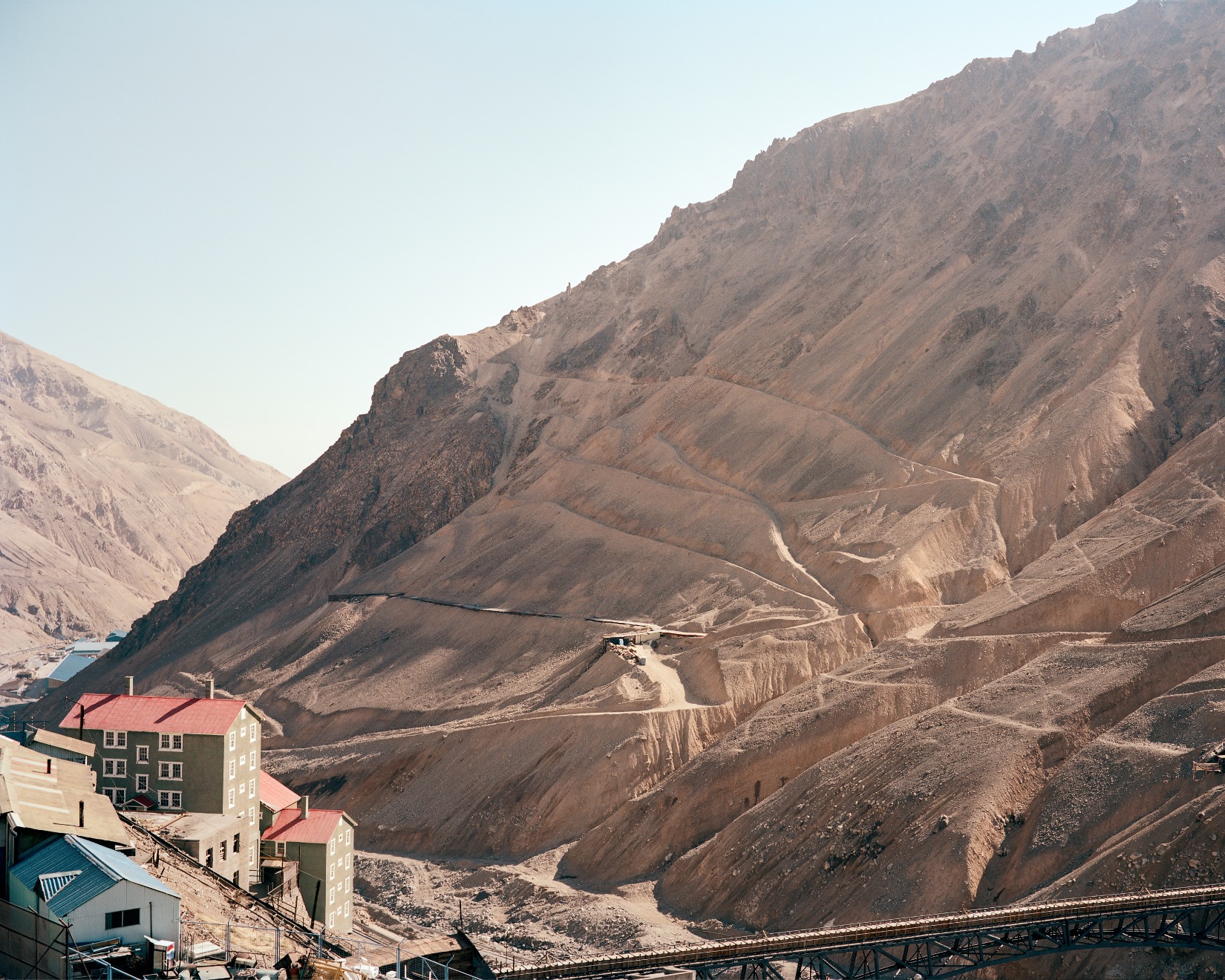
Under Pinochet’s dictatorship, a mining law was enacted to separate land ownership from the mineral resources beneath the surface, granting concessionaires the right to explore and exploit them, disregarding the wishes of landowners. By tracing the course of the water from its source in the glaciers of the private Andino Juncal park in Chile using drones and sequential cameras, Ignacio Acosta (Chile, 1976) unveils the threats facing this ecosystem, such as illegal mining activities and illegal hunting. His video work interweaves his own images with those captured by environmental activists using their mobile phones.
–
External Link
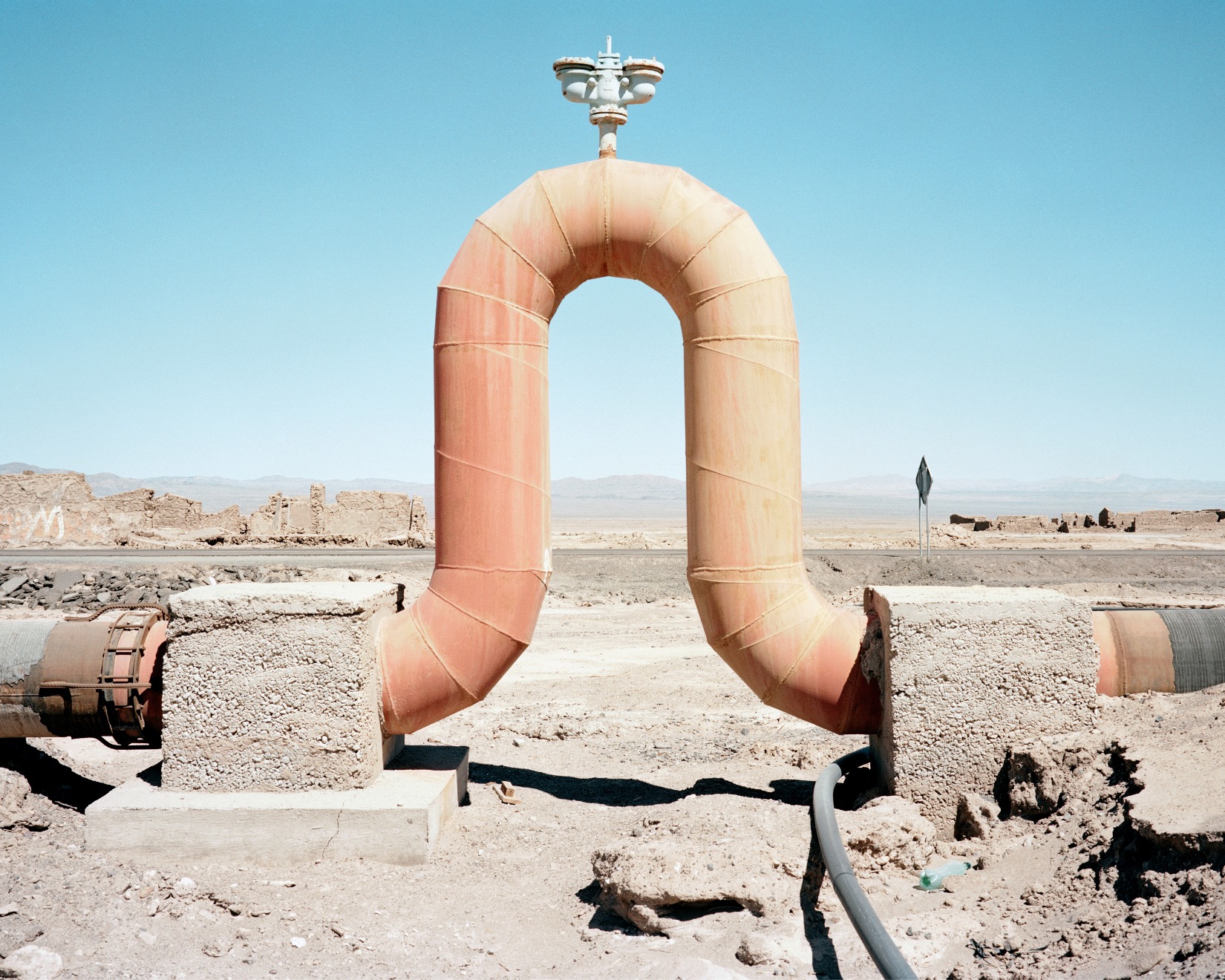
Exhibition curated by Boaz Levin and Esther Ruelfs.
Ever since its invention, photography has depended on the global extraction and exploitation of so-called natural resources. In the early 19th century, these were salt, fossil fuels such as bitumen and carbon, as well as copper and silver, which were all used for the first images on copper plates and for salt paper prints. By the late 20th century, the photographic industry was one of the most important consumers of silver, responsible, at its peak, for more than half of the metal’s global consumption. Today, with the advent of digital photography and the ubiquity of mobile devices, image production is contingent on rare earths and metals such as coltan, cobalt, and europium. Image storage and distribution also consume immense amounts of energy. One scholar recently observed that Americans produce more photographs every two minutes than were made in the entire nineteenth century.
Mining Photography: The Ecological Footprint of Image Production is dedicated to the material history of key resources used for image production, addressing the social and political context of their extraction and waste and its relation to climate change. Using historical photographs and contemporary artistic positions as well as interviews with restorers, geologists, and climate researchers, the exhibition tells the story of photography as one of industrial production, showing the extent to which the medium has been deeply intertwined with the human change of the environment. By focusing on the ways by which industrial image production has been materially and ideologically implicated in climate change, rather merely using it to depict its consequences, the exhibition employs a radically new perspective towards this subject.
Head of the Photography and New Media Collection at Mmp;amp;G. In cooperation with Kunsthaus Wien, Gewerbemuseum Winterthur and the HFBK Hamburg.
–
External Link
–
Exhibition Catalogue

Who has not longed to experience the vastness of isolated glacier landscapes? How fascinating is it to see the meticulous structure of a snow crystal in microscopic detail? How do people survive in icy worlds and which cultures have developed there over the course of thousands of years? What was the nature of the Taunus Mountains during the last glacial maximum around 20,000 years ago? How can we imagine the local flora and fauna in a future of geological time? Or the roaring energy of a calving glacier, documented and visualized using the technology of a thermal imaging camera or with the help of large-format photography? And how can we protect the “eternal ice” in the face of global warming? The exhibition “Eternal Ice” invites visitors to explore the cold zones of the earth with their unique landscapes and habitats as well as various forms of ice and snow. 17 artistic positions illustrate how close the overwhelming beauty and fragility of the dwindling ice masses are to one another. Artists from all over the world provide deeply moving insights into the icy regions of the earth that are worth protecting and illustrate the profound interrelationships between humans and nature.
–
External Link
Curated by Jacqueline Ennis Cole.
In 2021 Martin Parr Foundation held an open call for a UK-based curator to present a photographic exhibition in the MPF gallery and Jacqueline Ennis-Cole has been selected for her proposed group show, Intersectional Geographies.
Intersectional Geographies brings together a diverse selection of photographers whose works address inclusion within society at a time of climate crisis, social distancing and human rights violations. Each photographer highlights a concern that resonates with them. A Group Exhibition.
–
External Link
A la lenta caída de la tarde es el título de un poema de Luis Feria que termina con este verso: «Destino de la luz, nunca te acabes». La belleza melancólica de su plegaria nos confronta con ese momento en el que todas las imágenes desaparecen, la llegada de la noche.
Pero ¿se puede acabar la luz? Hay una imagen muy presente en el relato científico y en las narrativas contemporáneas, dentro del repertorio Sci-fi, que lo encarna: un horizonte de sucesos es también una especie de momento crepuscular, como el de Luis Feria, pero de dimensiones cósmicas.
Todos sabemos más o menos lo que, supuestamente, es un horizonte de sucesos. Un borde, una zona límite, una frontera, un punto de no retorno: el destino final de la luz, y de toda información, materia, partícula o evento, antes de atravesar el umbral y convertirse en ese extraño cero que es un agujero negro. Arrastrar la luz impidiendo que se escape, atrapar la luz.
–
External Link
Exhibition in organized together with the Bienal de Fotografia do Porto.
Trafficking the Earth is a collaboration between photographers Xavier Ribas, artist Ignacio Acosta and art historian Louise Purbrick. As the authors explain in the introductory text, “this research documents the movement of mineral wealth of Chile into global markets and European landscapes. Nitrate and copper is their focus. The transformation of these natural resources into industrial materials draw desert and city, slag heap and country house, ruin and regeneration, landscape and archive, Chile and Britain, into the same circuit of capital”.
Each of the authors addresses the issue from a particular perspective that make up a fragment of a common story. Xavier Ribas examines the legacy of British investment in Chile’s nitrate mines of the late 19th and early 20th centuries, and its implication in global trafficking. Through an exploration of places, objects and images, Ribas considers the dynamic effects of Nitrate by examining the original scenes of the detonations and the traces of a history of violence and exploitation. On his part, Ignacio Acosta studies the global movement of copper, once extracted from the earth and absorbed by a capitalist economy. His photographs are an investigation into a global copper mining policy, making visible hidden connections between environmental pollution and capital accumulation. The historian Louise Purbrick reflects on the matter itself through her essay. Her texts attempt to capture mining waste with words, and thus make a recognition of the material loss of Chilean landscapes: Nitrate and copper became –and are becoming– mere values of commercial exchange.
The project was previously presented at the Museum of Contemporary Art, in Santiago de Chile (2017) and at the Center for Art and Nature, in Huesca (2019). For the current presentation, which is part of the Porto 2021 Photography Biennial, the installation consists of a mural of 200 documents, images and texts, which collect “anachronisms, displacements, insights …”, in which the authors they reject the single image to favour multiple relationships, such as those that occur throughout the chain of extraction, handling, distribution and sale of minerals. The installation is completed with the presentation text and two maps that help to make these interconnections visible. The first, The Invisible Corporate Network, shows the different agents that operate in the London Metal Exchange while the second, Nitrate Companies listed in the London Stock Exchange, offers the records of the companies that traded with Nitrate in the British capital in the year 1908.
–
External Link
The exhibition contains works made by 50 photobook artists and artist collectives whose work urgently responds to the climate crisis. The artists represent 36 different countries from six continents, and their projects have been created in regions that span the entire planet. Their photo books offer a striking comparative analysis of a global phenomenon that has reached a state of emergency.
The festival is designed as a space for “direct pedagogy” — an expanded library built for public engagement, dedicated to the movement of knowledge from the institution to the street. The physical exhibition is presented in three subject areas, each of which occupies its own container — Nature: Process and Representation; Documents and Evidence; and Zines and Direct Action. Also included in the exhibition are the artists related video projects— the works range from meditations on humanity’s relationship with nature in the 21st century, to the documenting of experimental protests against multinational corporations.
We have gathered these projects in Oslo as a call to action. Knowledge. Cooperation. Internationalism. The Climate Emergency has now gone past the make-or-break moment. The systems that precariously sustained us are crumbling before our eyes. Ultimately, the path away from this crisis is not to be found through these 50 artists, but through the actions of the viewer, you— individuals joining forces to act collectively. We must come together to confront state and corporate extraction enterprises that have precipitated this crisis. The endgame is a survivable planet that offers hope for an open future. Curated by Ethan Rafal.
–
External Link

Ignacio Acosta is the 39th artist in residence of the ZF Art Foundation.
The grant culminated with the two-channel video installation Archaeology of Sacrifice at the Zeppelin Museum Friedrichshafen.
–
External Link

An exhibition curated by Marie Maertens.
From the landscape, an eternal and timeless genre in the history of art that also included historical scenes, some artists have refined their questioning on ecology, the environment, the role of cells or changes in biodiversity. How do these themes, which are part of our daily lives, have an impact on their practice? How do new technologies transform thoughts? Can ecology be political? How do we move from civil rights to land rights?
—
External Link

Photographers and artists explore how Norrland’s landscape is being reshaped by the intensive extraction of natural resources, and they look at the sometimes irrevocable traces left behind. The exhibition highlights human tendency primarily to view nature as a resource and source of raw materials, and shows how values, immeasurable in terms of money, are underestimated.
The landscapes depicted provide first-hand accounts of the relationships between humans and nature, and ask if we have finally entered the anthropocene: the geological epoch defined by how humans have irreversibly impacted the earth’s climate and ecosystems.
Human Nature shows how demands for social and ecological sustainability clash with the interests of global capitalism, and how colonial structures are expressed in the opinions of Norrland. It documents the antagonism between indigenous people and industry, as well as giving us a close up look at how the networks of local and global forestry and berry industries exploit cheap labour.
The exhibition raises questions about the values humans are prepared to sacrifice in the quest for material growth and highlights the complexity of the adaptation into a sustainable society.
–

El tráfico de la Tierra es una colaboración entre los fotógrafos Xavier Ribas e Ignacio Acosta y la historiadora del arte, Louise Purbrick.
Esta investigación documenta el movimiento de la riqueza mineral de Chile y su incorporación en los mercados globales y paisajes europeos. El salitre y el cobre son su foco. Desierto y ciudad, escombreras y casas de campo, ruina y regeneración, paisaje y archivo, Chile y Gran Bretaña: estos son los polos de un mismo circuito de capital basado en la transformación del salitre y del cobre como materiales industriales.
En los últimos cinco años, Acosta, Purbrick y Ribas se han encontrado con otros artistas, fotógrafos, escritores, comisarios, traductores y activistas y han trabajado junto a ellos, compartiendo su preocupación por una política documental sensible a las desigualdades de las industrias extractiva.
—
External Link

Ignacio Acosta takes part in Beyond COP25: People for Climate, slogan for the Social Summit for Climate Action, a parallel civil society event held at the Universidad Complutense de Madrid (UCM) during the official COP25 UN Climate Change Conference in December 2019.

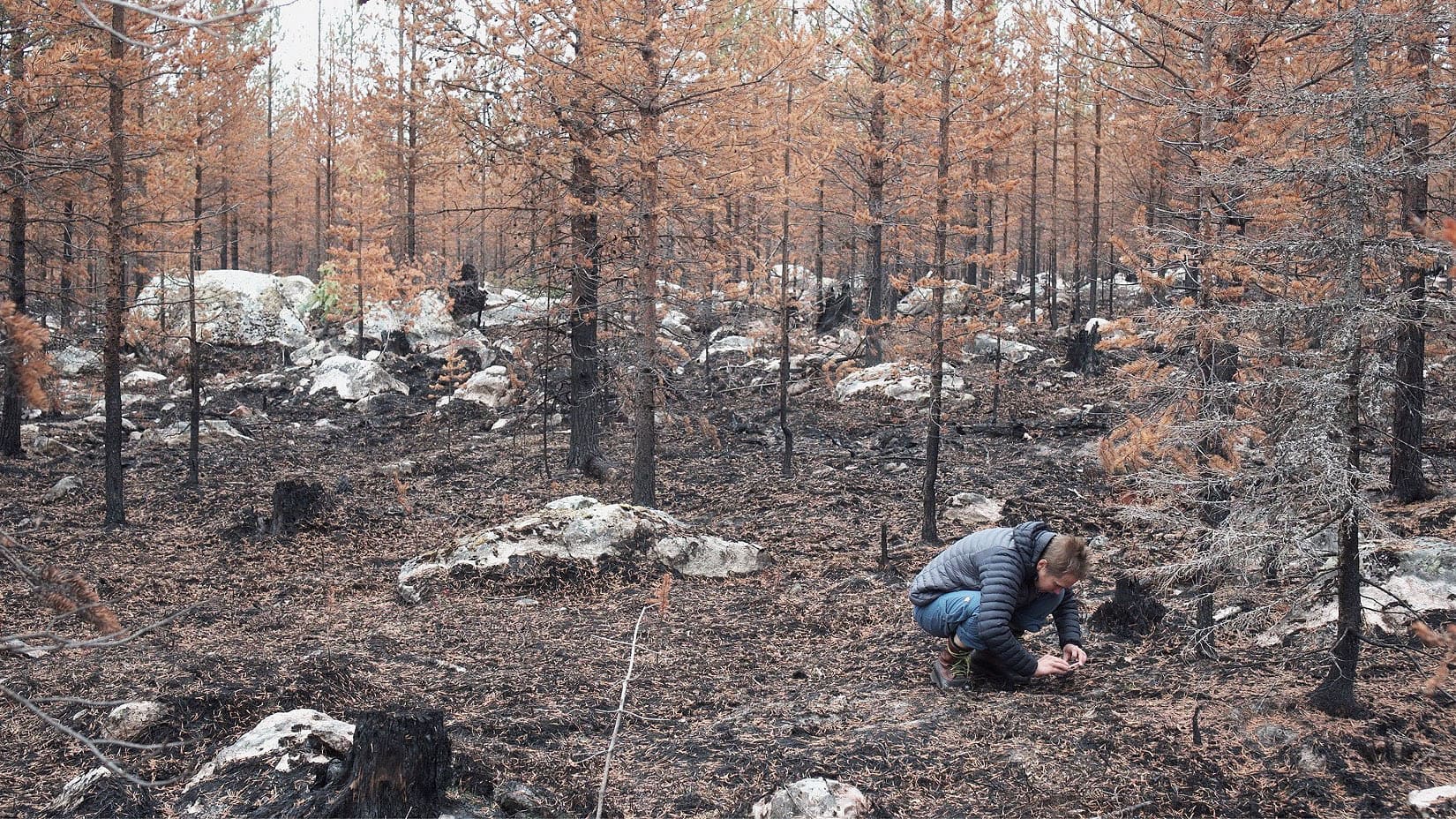
The ecology of extractive practices is a poisonous one. In Chile as in Sámi areas in northern Sweden, mining activities by multinational corporations are both visibly and invisibly shaping the landscape, intoxicating water, soil and air while displacing agricultural and indigenous communities. The excavation, extraction and exploitation of minerals – justified by the promise of immediate accelerated economic growth – means that spaces inhabited by communities become ravaged by desertification, contamination and expropriation, and sites of political and environmental dispute.
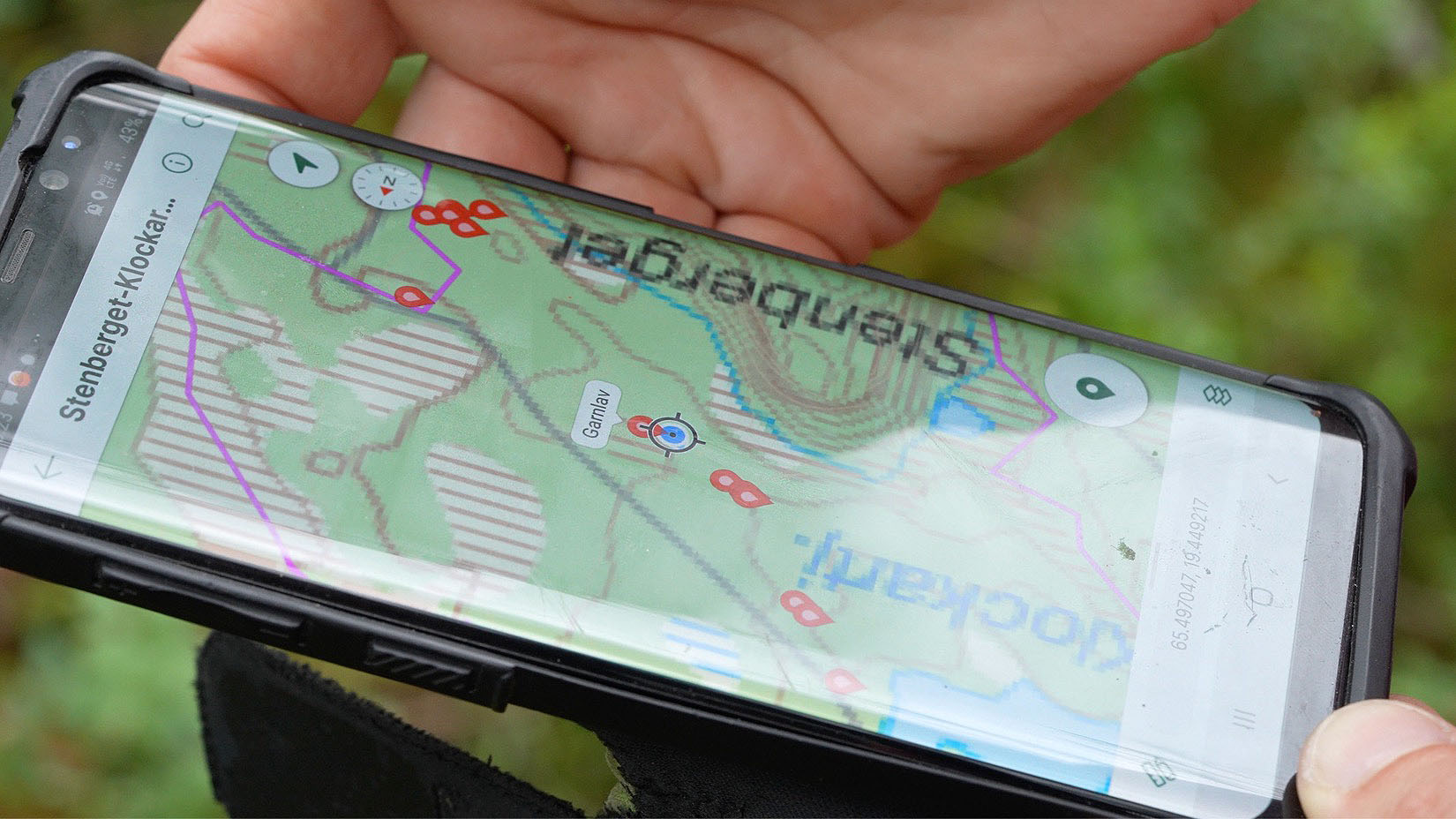
Building on ongoing research into extractive activities in Chile and Swedish Sábme, Tales from the Crust presented existing and new work by Chilean artist Ignacio Acosta, comprising documents, films, photographs, maps and objects. The programme honed in on ways in which local and transnational acts of resistance made use of technologies (such as drones) in order to monitor the impacts of extractive industries and develop micropolitical strategies. Resistance Labs was a series of discursive events, workshops and broadcasts that brought to the fore existing forms of solidarity between various anti-mining movements, and addressed the role that counter-actions can play on a planetary scale.
Tales from the Crust formed part of Extractable Matters, Arts Catalyst’s thematic strand exploring extractive capitalism and the politics that underlie its spatial infrastructure and logistics. The programme reflected on ways in which capitalism extracts and exploits both material and immaterial resources, such as minerals, labour, data, affects, cultures and resistance. Through exhibitions, artist residencies and public programmes, Extractable Matters provided a polyfunctional context for discussions inquiring how extractive infrastructures – as well as borders, conflicts and trades attached to them – impose uneven maps of power. Other participants in the programme included FRAUD (artist-researchers Audrey Samson and Francisco Gallardo) and the Alternative School of Economics, a collaboration between artists Ruth Beale and Amy Feneck.
The works presented in Tales from the Crust has emerged from Traces of Nitrate, a research project developed in collaboration with Art and Design historian Louise Purbrick and photographer Xavier Ribas, based at the University of Brighton and funded by the Arts and Humanities Research Council (AHRC); and Drone Vision, a research project based at the Hasselblad Foundation / Valand Academy, Gothenburg University led by Dr Sarah Tuck.
–
Public Programme
Resistance Lab #1 | Deep Time Story – 24 October 2019
Resistance Lab #2 | A View from Above: Technologies of Agency and Conflict, Talk and Workshop with Sarah Tuck and Nexus – 28 October 2019
Assembly | Extractable Matters – 29 November 2019
London Mining Tour led by London Mining Network – 30 November 2019
–
Supported by
Arts Council England, Pluriversal Radio and the CREAM (University of Westminster)
–
Links
Arts Catalyst website
Traces of Nitrate website
–
Media
Pluriversal Radio
Resistnace Labs soundcloud
Zone of Sacrifice: Interview to archeoastronomer Patricio Bustamante, Santiago, 2019
Europa: Nueva Geografía Especulación Minera, Brussels, 2019
–
Reviews
Ignacio Acosta’s Tales from the Crust by Tom Jeffreys, e-flux Criticism, 2019
Ignacio Acosta’s Tales from the Crust by Diego Chocano, Burlinton Contemporaries, 2019
Tales from the Crust: Portraits of extractive violence and resistance, We make money not art, 2019

The exhibition Litte ja Goabddá delves into the use of drones by the Sámi indigenous communities as a means of resistance and protest against the Gállok mining project in Norrbotten County, Sweden. The Sámi are an indigenous minority living in Sápmi, a territory that has been colonized at different by Finland, Norway, Sweden, and Russia. The systematic division, expropriation, and industrialization of Sápmi, coupled with violent repression from the colonizers, have resulted in cultural fragmentation and the loss of original rights to their ancestral lands.
The artistic project, developed collaboratively with this indigenous community, highlights the significance of the land and conveys the anxiety felt in the region regarding the potential inability of activists to prevent the opening of a mine. Consequently, photography and video become tools to explore geopolitical power dynamics based on minerals and historical narratives.
–
External Link

The video installation Litte ja Goabddá [Drones and Drums] (2018) and the photographic series Giesse exhibited at Ájtte, the main museum of Sámi culture and the mountain region,

La Bienal de Artes Mediales de Santiago es un encuentro de exhibición e investigación dedicado al cruce entre artes, ciencias, tecnologías y sociedad, que desde 1993 se realiza en la ciudad de Santiago de Chile. Fue creada por la Corporación Chilena de Video y Artes Electrónicas (CChV), bajo la dirección del artista, teórico y docente Néstor Olhagaray. Desde entonces se ha consolidado como un referente para comprender la evolución de las artes mediales de Chile y el mundo que, cada dos años, ofrece un espacio de reflexión, encuentro y exhibición para aquellas prácticas que experimentan con soportes, lenguajes y herramientas análogas y digitales.
–-
External Link

Drones are considered the most important war technology since the invention of the atomic bomb. Drones can be deployed remotely, e.g. for targeted military operations, without endangering any other crew on board. At present, drones are not yet autonomous systems that make their own decisions. However, in combination with artificial intelligence, they can become sinister weapons of war. This development into learning and autonomously operating machines raises ethical questions that need to be considered, especially against the backdrop of economic and military interests.
As unmanned aerial vehicles, drones are not only used in the military sector, but also for a wide variety of civilian purposes, including border control, surveillance, data collection, agriculture and the service sector. Drones have thus arrived on the mass market.
Today’s drones are further developments of unmanned balloons, remote-controlled weapons and model airplanes for civilian and military purposes. Based on this historical context, the exhibition examines the use of drones and their hybrid function as toys, war technology and economic factor. As a technology that unites absolute opposites, the exhibition shows its contradictory nature in all its facets.
Curators: Dr. Claudia Emmert, Ina Neddermeyer, Jürgen Bleibler
Participating artists: Ignacio Acosta, Korakrit Arunanondchai, Anohni, Frédérick A. Belzile, James Bridle, Gonçalo F. Cardoso & Ruben Pater, Omer Fast, Adam Harvey, Lawrence Lek, Martha Rosler, Raphaela Vogel
–
External Link

Drone Vision addresses questions of visibility and verticality are intrinsic to drone technology and its meanings for artistic and political praxis.
 The exhibition is based on the two-year research project Drone Vision. Surveillance, Warfare, Protest – a collaborative initiative of Valand Academy, Gothenburg University and the Hasselblad Foundation. Led by Dr. Sarah Tuck the research project explores the affective meanings of drone technologies on photography and human rights.
For the exhibition at the Hasselblad Center the commissioned artists Ignacio Acosta, Mhairi Sutherland and Behjat Omer Abdulla have produced new works that respond to the visual and material consequences of drone technologies in the context of Sweden.
–-
External Link

Ignacio Acosta presents ‘Coquimbo & Swansea’ at the National Waterfront Museum, Wales.
Site-specific installation of photographs and texts from series ‘Coquimbo & Swansea’, part of ‘Copper Geographies’.
From the late 1820s, copper ore was extracted from the Region of Coquimbo, northern Chile and smelted in the Lower Swansea Valley, Wales. Copper was mined from remote sites and brought by mule to Las Compañías, one of Chile’s first industrial metallurgical centres and where smelting processes had been established.
The ore and partly-smelted copper was shipped to the Lower Swansea Valley to be refined. The valley was heavily contaminated for more than two centuries, until the 1960s and 1970s when conservation work was carried out to reclaim polluted land.
These geopolitical tensions remain hidden in the photographs. By bringing these landscapes together, the artist wishes to reclaim historical connections and invites the viewer to imagine what is no longer there.
Please download here a catalogue with written contributions by historians Dr Tehmina Goskar and minerologist Frank Vicencio Lopez published in conjunction with the exhibition – Welsh and English versions
An artist talk took place on Saturday, 1 July, 11.30am at the National Waterfront Museum.
Funded with the generous support of: National Waterfront Museum, Wales, Arts and Humanities Research Council (AHRC)
—
External Link

Bezpośrednim impulsem do powstania projektu Mapping Domeyko był dziennik Ignacego.
Domeyko Moje podróże (Pamiętnik wygnańca). Domeyko to postać historyczna. Urodził się w 31 lipca 1802 w Niedźwiadce Wielkiej (obecnie Białoruś), zmarł 23 stycznia 1889 w Santiago w Chile. Jego losy określić można jako typowy życiorys polskiego ziemianina urodzonego pod zaborami, skazanego na emigrację. Domeyko przyszedł na świat na Kresach Wschodnich, na terenie Wielkiego Księstwa Litewskiego, studiował w Wilnie, był członkiem Stowarzyszenia Filomatów, brał udział w Powstaniu Listopadowym. Po klęsce powstania wyemigrował do Prus, później do Francji, gdzie ukończył studia górnicze. Zimą 1838 roku wyjechał do Chile, by objąć stanowisko wykładowcy chemii i badać geologię kraju.
Moje podróże (pamiętnik wygnańca) to wspomnienia z podróży naukowca. W swoim.
–
External Link

Trffiking the Earth collaboration between photographer Xavier Ribas, artist Ignacio Acosta and an art historian, Louise Purbrick. Their collective research has documented the movement of mineral wealth of Chile into global markets and European landscapes. Nitrate and copper is their focus.
The transformation of these natural resources into industrial materials draw desert and city, slag heap and country house, ruin and regeneration, landscape and archive, Chile and Britain, into the same circuit of capital. Over the last five years Acosta, Purbrick and Ribas have encountered other artists, photographers, curators, translators and activists and worked alongside them sharing a concern with politics of documenting the inequalities of extractive industries.
–
External Link