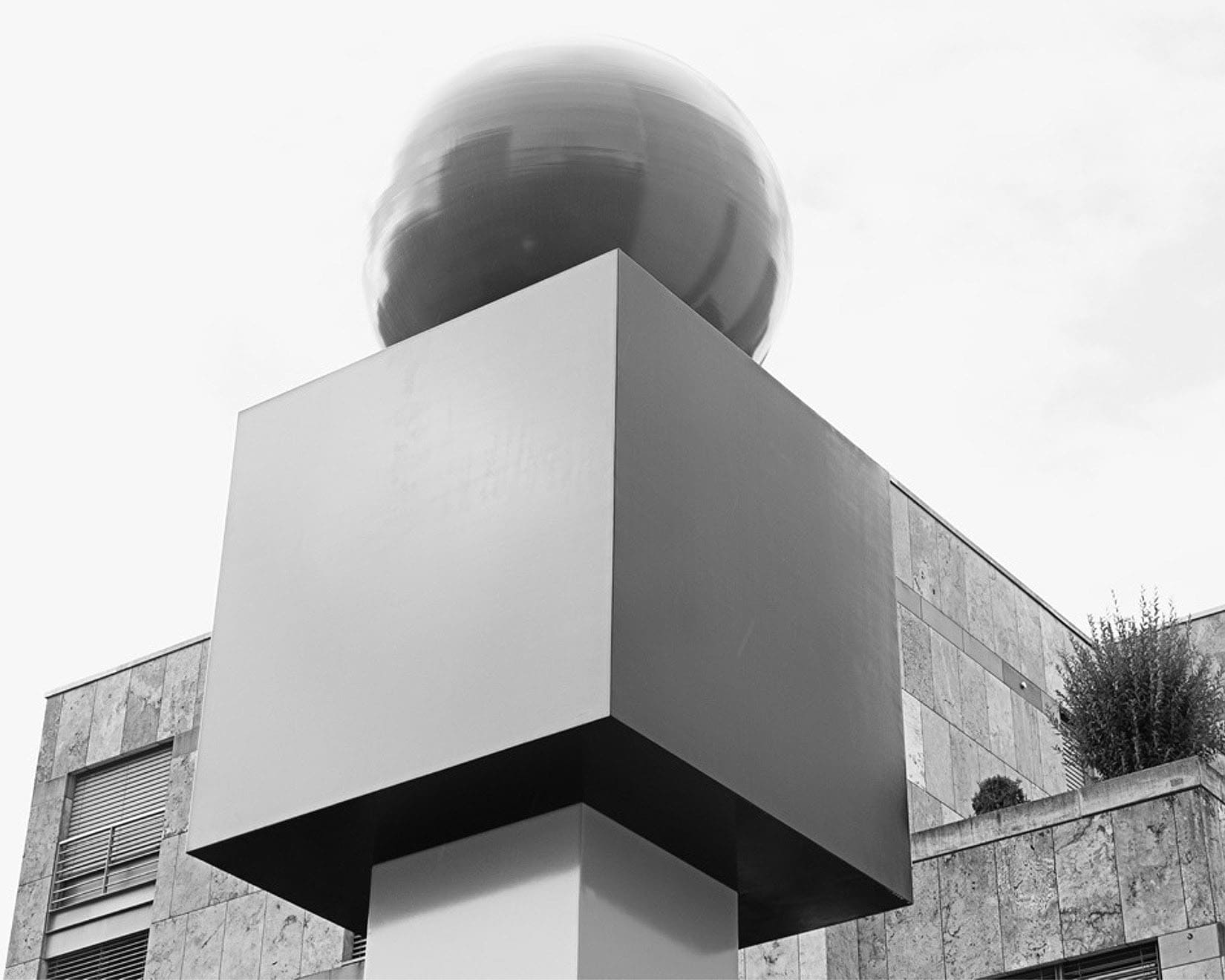
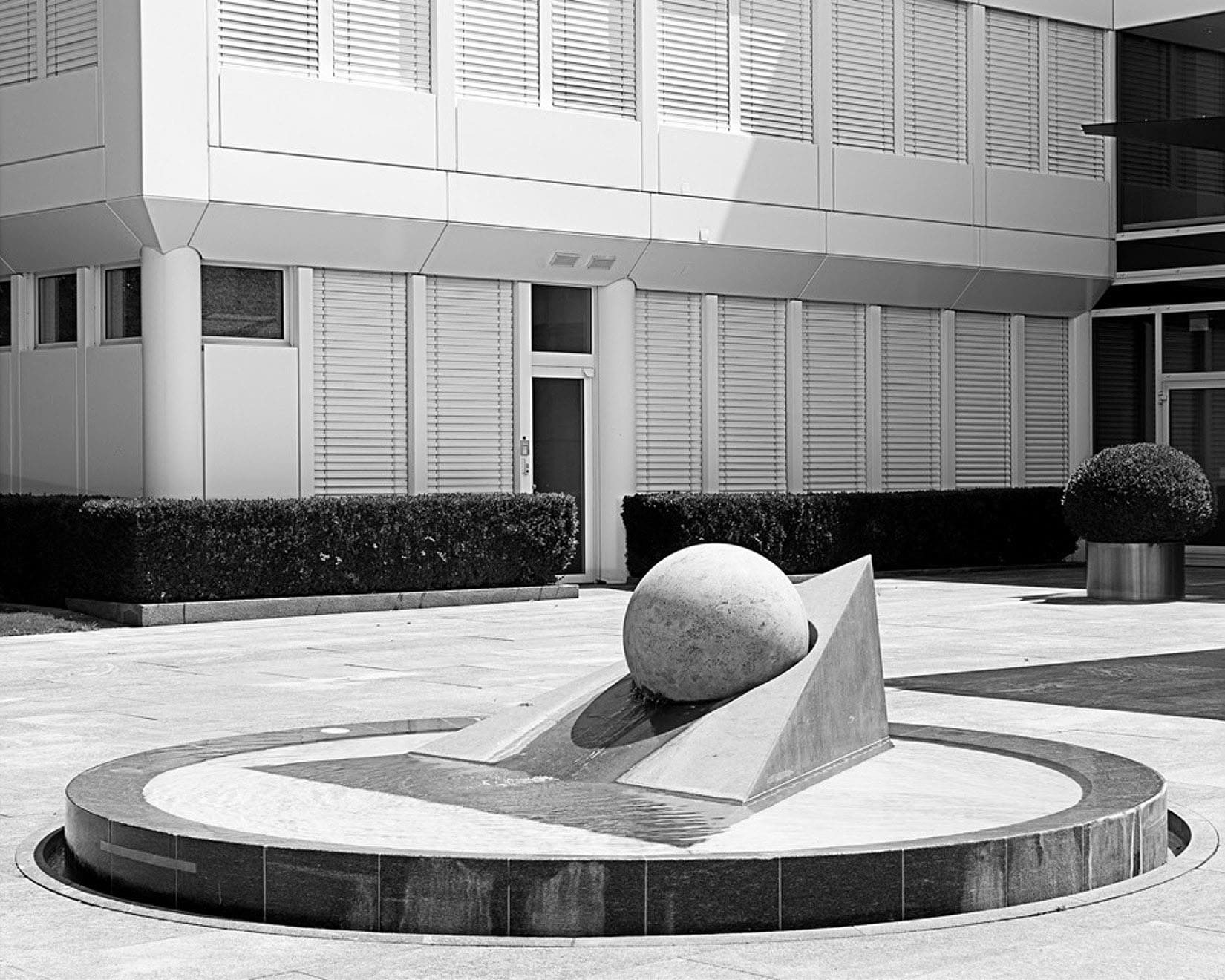
The installation Not a Pearl investigates the role of the Kanton of Zug as a global trading hub and offshore paradise for shell companies.
Commonly set up in locations with advantageous tax laws like Zug, Switzerland, letterbox companies, also known as shell companies, play an important role in international trade, especially in the metal industry and in the raw materials sector in general.
“Neither office nor employees, but an administrative setup that handles mail and accounting matters. In fact, a shell company is not much more than one of many names on a mailbox… In Switzerland, these shell companies are involved in almost half of the transactions suspected of involving corruption and money laundering, which are passed to the Swiss authorities. According to an analysis conducted by Public Eye, there are around 6,300 of these shell companies in the canton of Zug”. (Public Eye)
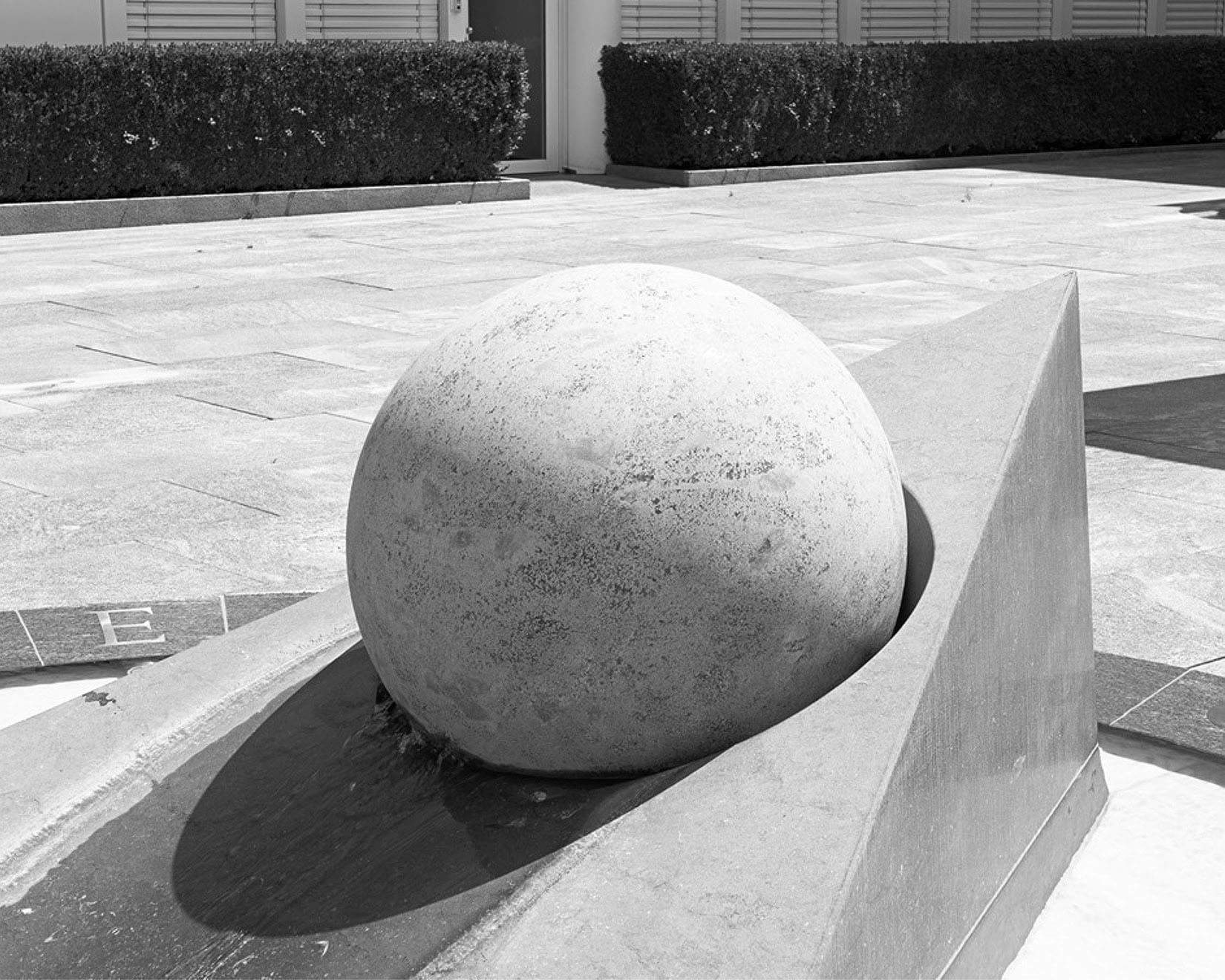
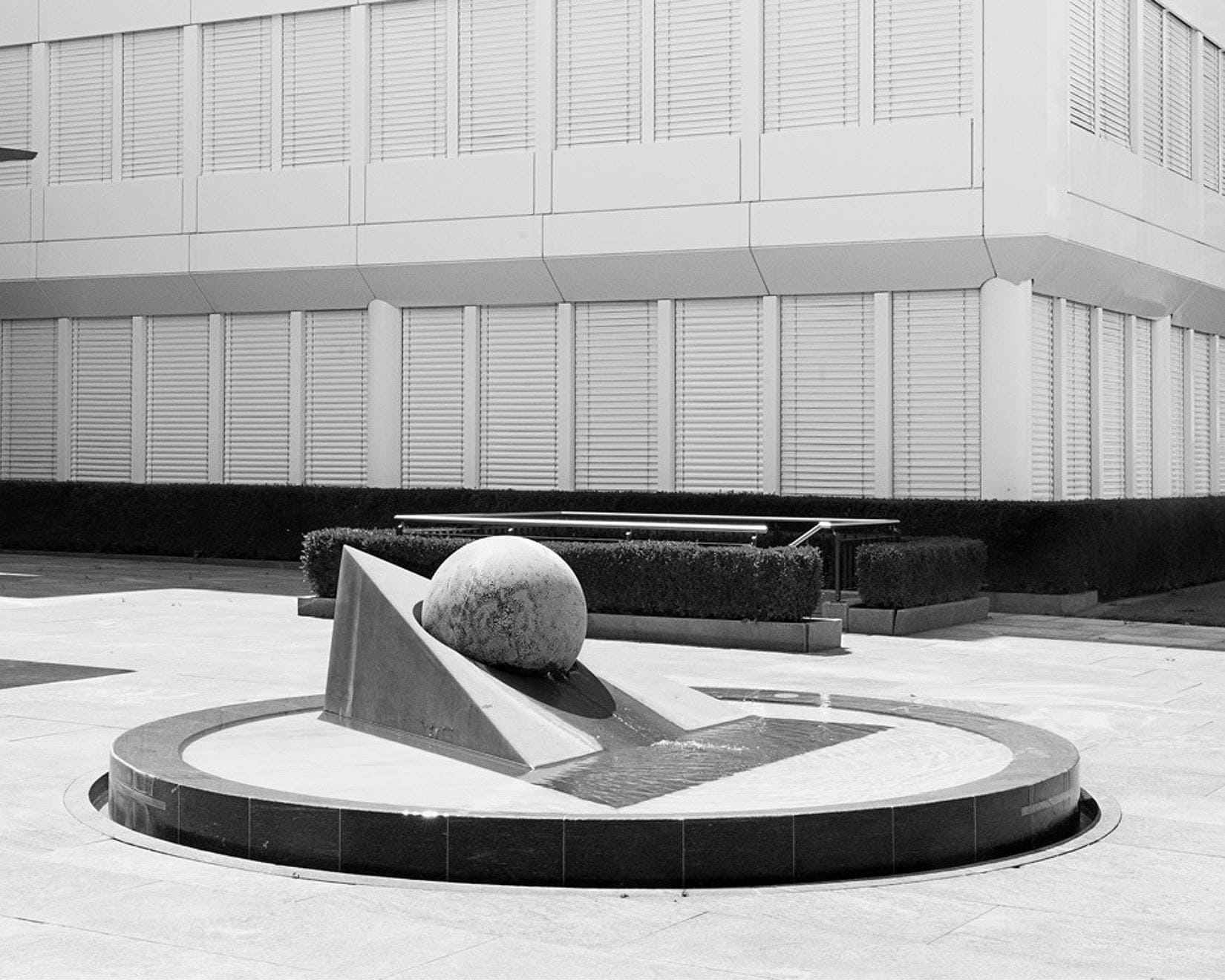
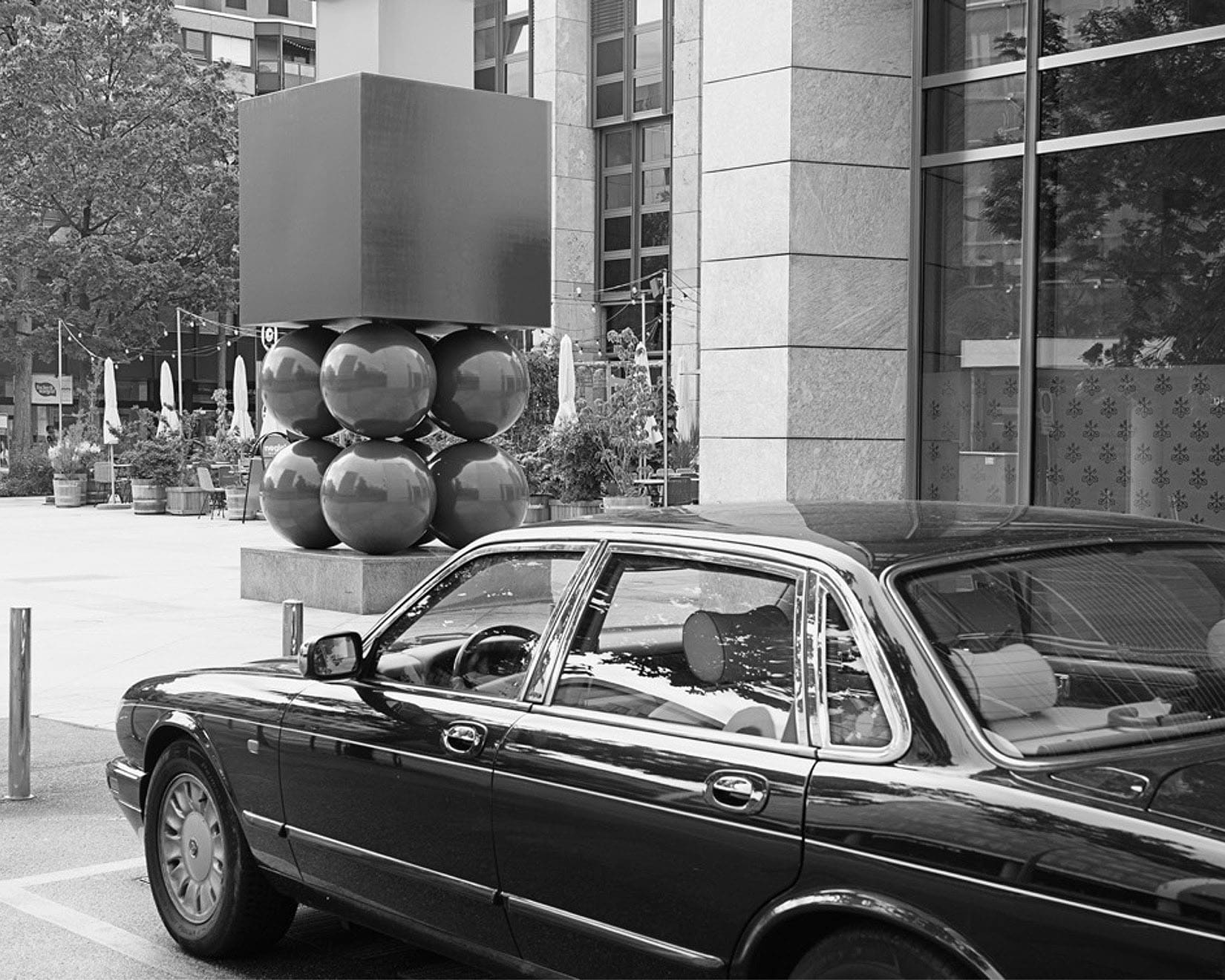
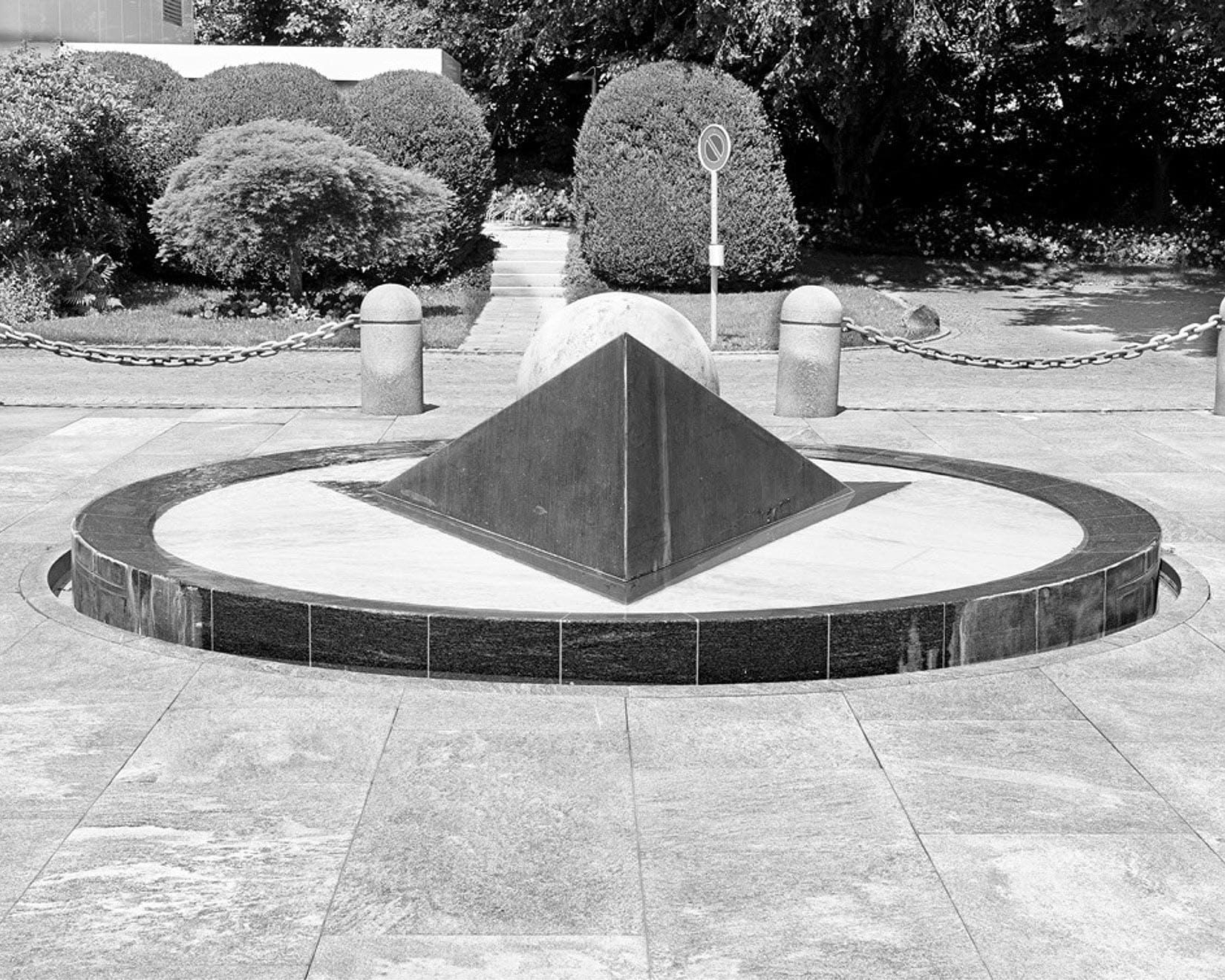
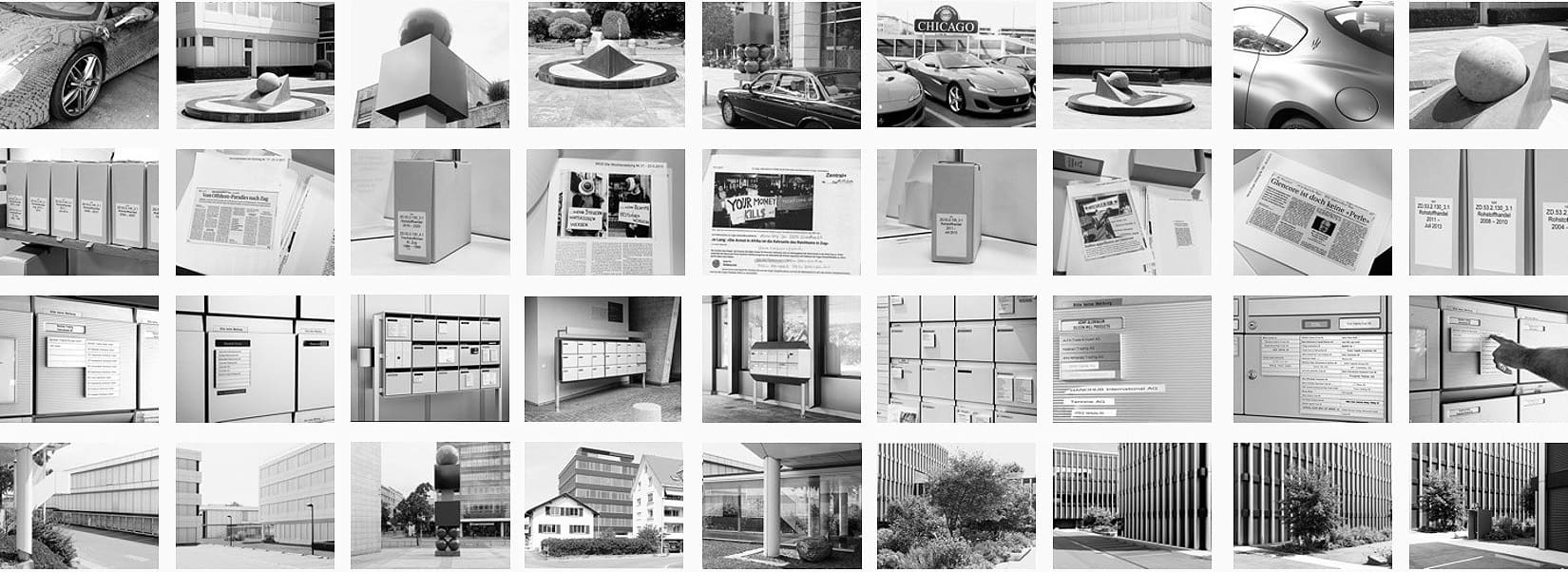
Not a Pearl juxtaposes the architecture of office complexes in the Zug industrial belt with the typology of letterbox companies, the smooth lines of luxury sports cars with the representation of the globe as a material sculptural object in both public and corporate architecture of Glencore with the language of the archival research.
The title refers to an article titled Glencore isn’t a ‘Pearl’ after all published on NeueZuger Zeitung (30.3.2014), found in the archives of the Commodity Trading Dossier at the Bibliotek of Zug, pictured on the second row along with four other articles whose subject matters range from local resistance groups protesting Glencore’s involvement in serious human rights violations, environmental destruction, tax avoidance, and bribery, to statements from local authorities referring to Glencore as an “Economic Pearl” of the Kanton.
The research used open-source data of companies trading raw materials in Switzerland gathered by Public Eye, open data from Extractive Industries Transparency Initiative and archival research at the Bibliotek of Zug.


–
Not a Pearl was commissioned for the exhibition Mining Photography: The Ecological Footprint of Image Production by Gewerbemuseum Winterthur (22.09.23-21.01.24). The exhibition was curated by artist, author and curator Boaz Levin and Dr. Esther Ruelfs, Head of the Photography and New Media Collection at MK& G. Acknowledgements: Susanna Kumschick, Cathrin Hauswald, Karmele Wigger-Goikolea, Yannick Ringger, Corinne Silva, Ellen Lapper, Rita Kesselring and This Keller.
–
Exhibition
Mining Photograhy, Geberwemuseum Winterthur, 2023
–
Discussion
Copper Geographies and the role of Switzerland, Geberwemuseum Winterthur
–
Canton of Zug, Switzerland, 2023
The installation Not a Pearl investigates the role of the Kanton of Zug as a global trading hub and offshore paradise for shell companies. Commonly set up in locations with advantageous tax laws like Zug, Switzerland, letterbox companies, also known as shell companies, play an important role in international trade, especially in the metal industry […]
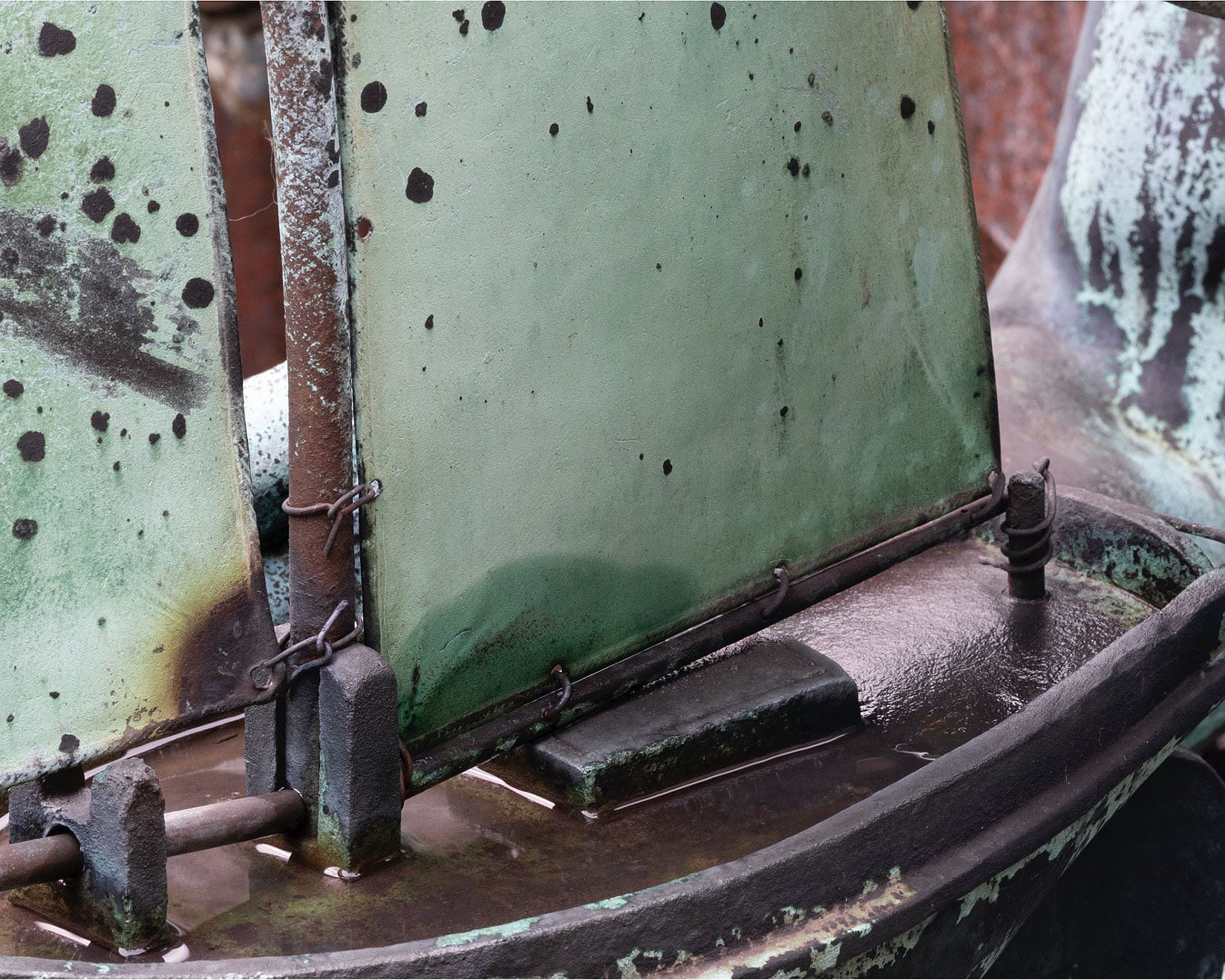
Hygieia Watches Over UsThe Hygiea Fountain (1895/96) by scultptor Joseph von Kramer, was created after Hamburg’s devastating cholera epidemic of 1892. Based on Hygiea, the Greek goddess of health, it was made as celebration of the outbreak’s defeat and clean water. Casted bronze, Hygieia stands upon a fountain with her back turned on Hamburg’s City Hall, looking towards the Chamber of Commerce in a nod towards industry and trade.
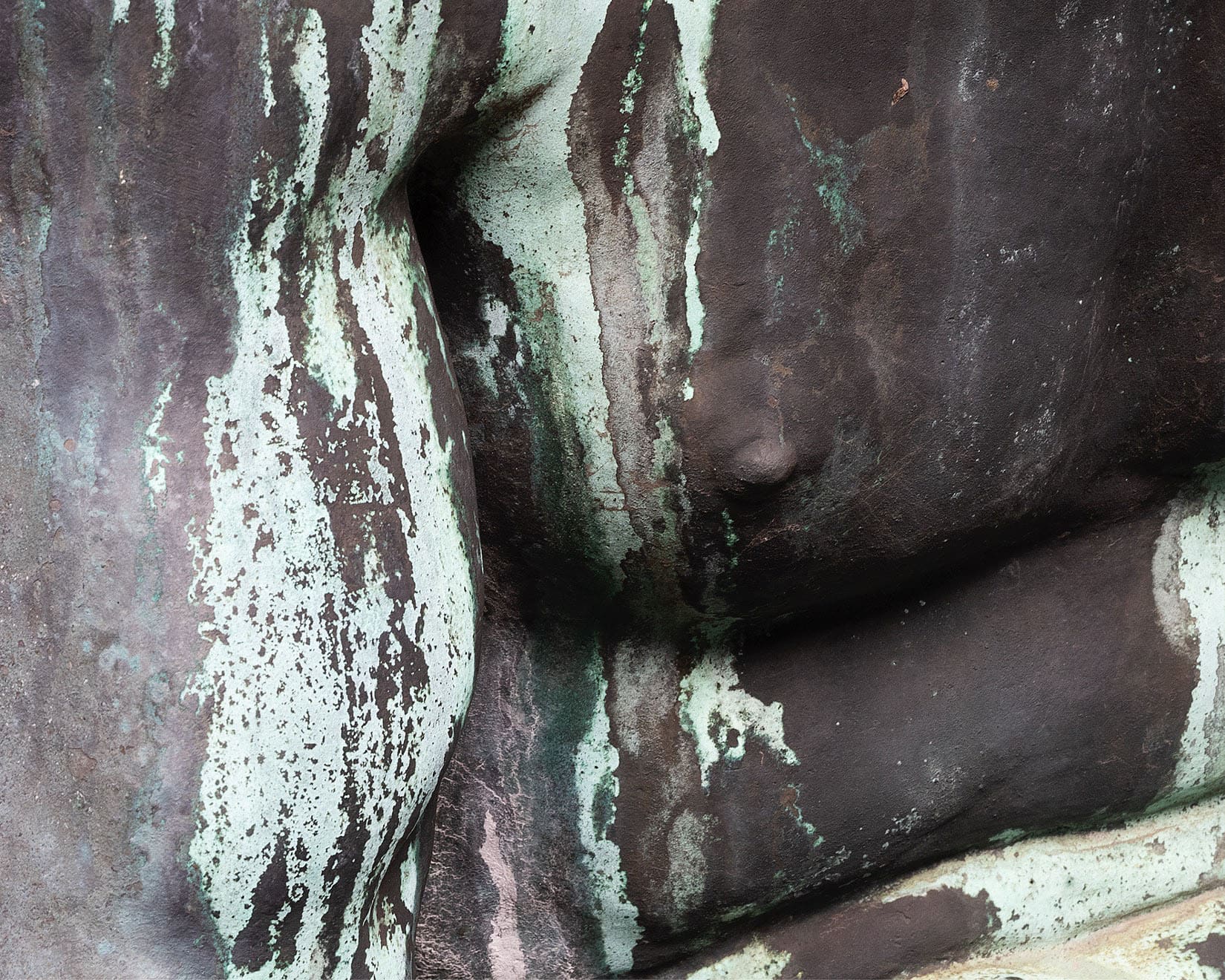
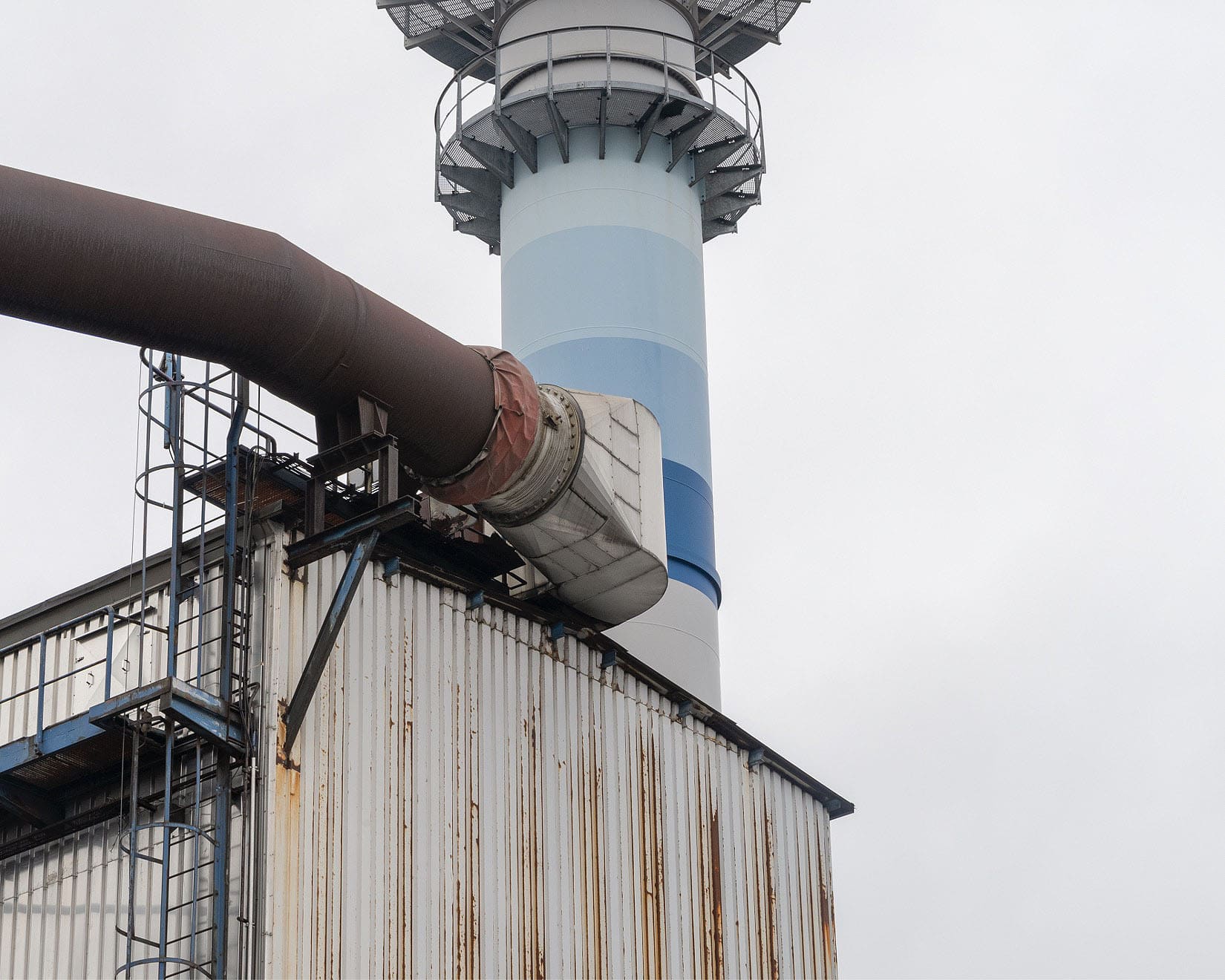
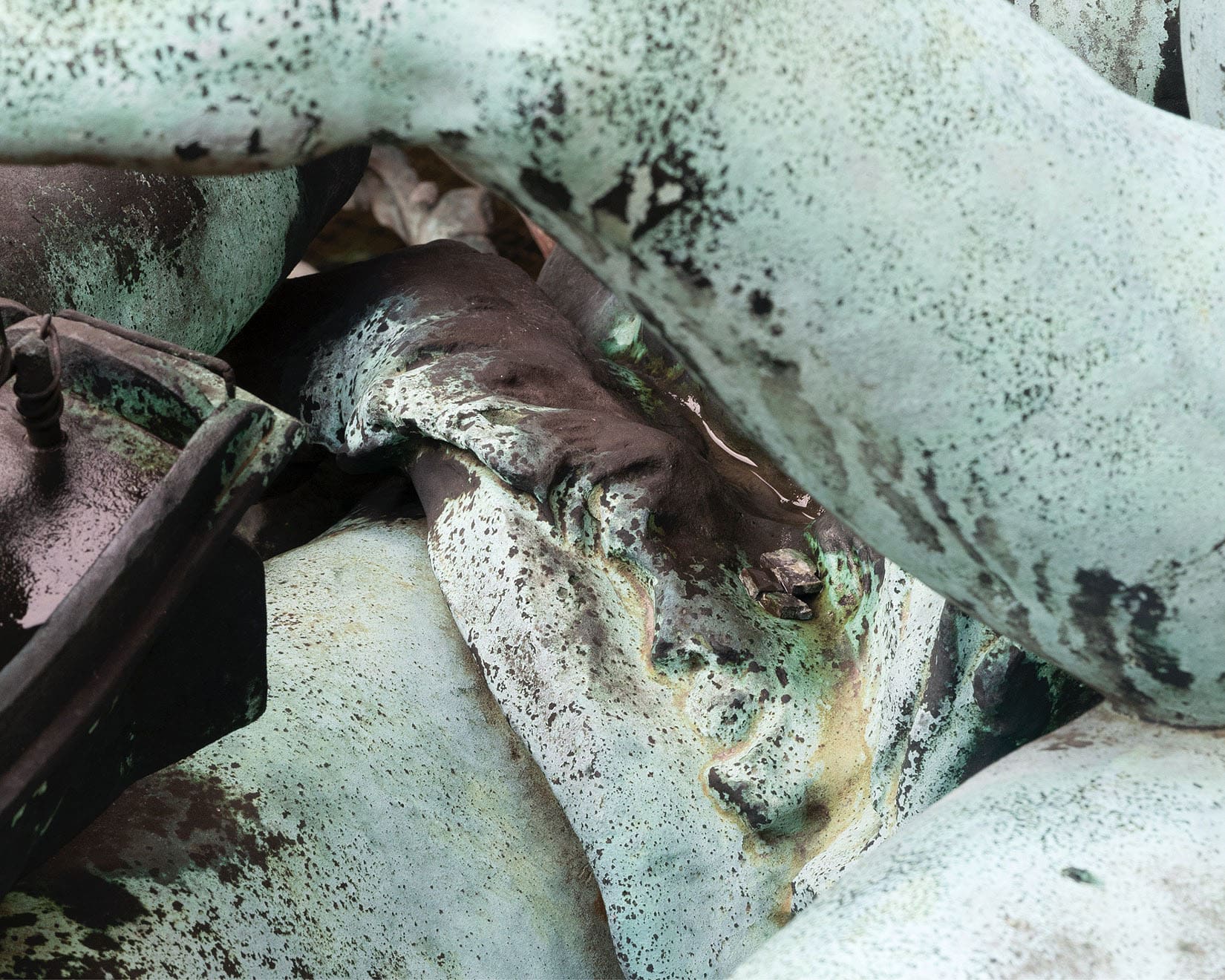
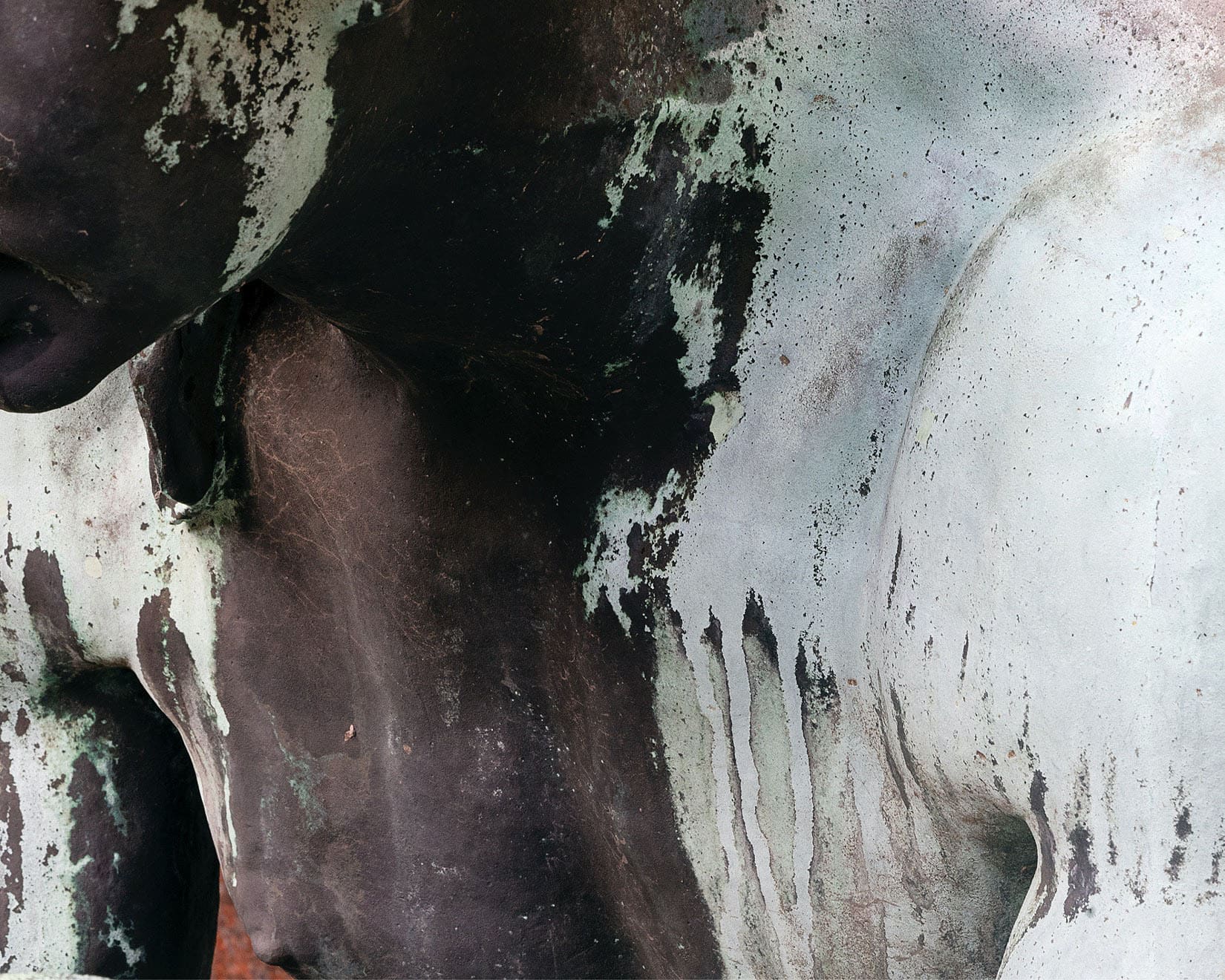
Forty photographs, arranged in a four-row grid aesthetically and metaphorically link three motifs into an associative network. In the upper row, a chimney of the Aurubis AG rises up into the air, paralleled by the city’s sculpture of Hygieia, the Greek goddess of health. Recalling our current period of contagion, the bronze figure was created by Joseph von Kramer at the end of the nineteenth century after Hamburg’s devastating cholera epidemic of 1892. Erected in celebration of the outbreak’s defeat and clean water, Hygieia stands upon a fountain with her back turned on Hamburg’s City Hall, looking towards the Chamber of Commerce in a nod towards industry and trade.
In the lower rows, detailed close-ups of the fountain are ambiguously interlaced with images of stained rubber suits worn by Aurubis AG’s workers to protect themselves from sulphuric acid. The arrangement juxtaposes these persistent contradictions: the resource- and water-intensive copper industry and its pollutive impact on the Elbe, with the politically charged statue and tainted labour. Analogies arise between the copper parts of the bronze sculpture, oxidised to a green patina, and the traces of dirty work in the copper plant, thus thematising the relationships of industry, politics, and society in relation to water and material consumption.
The installation includes an interview with Dr. Klaus Baumgart—from Hamburg’s environmental protection initiative Rettet die Elbe (Save the Elbe), a support group founded in 1978 with the mission to rehabilitate the Elbe from heavy contamination caused by industrialisation and carried out a large-scale measurement program for heavy metals in the port from 1978 to 1981.

–
Commissioned for Mining Photography: The Ecological Footprint of Image Production, an exhibition curated by artist, author and curator Boaz Levin and Dr. Esther Ruelfs, Head of the Photography and New Media Collection at MK&G. In cooperation with Kunsthaus Wien, Gewerbemuseum Winterthur and the HFBK Hamburg.
–
Video
Interview with Dr Klaus Baumgardt, 2022
–
Exhibitions
Gewerbemuseum Winterthur, Switzerland, 2023
Kunst Haus Wien Museum, Austria, 2022
Museum für Kunst und Gewerbe Hamburg, Germany, 2022
–
Events
Alternative harbor tour, 2022
–
Publications
Mining Photography , Spector Books, 2023
–
Collaboration
Rettet die Elbe
–
Hamburg, Germany, 2022
The Hygiea Fountain (1895/96) by scultptor Joseph von Kramer, was created after Hamburg’s devastating cholera epidemic of 1892. Based on Hygiea, the Greek goddess of health, it was made as celebration of the outbreak’s defeat and clean water. Casted bronze, Hygieia stands upon a fountain with her back turned on Hamburg’s City Hall, looking towards […]
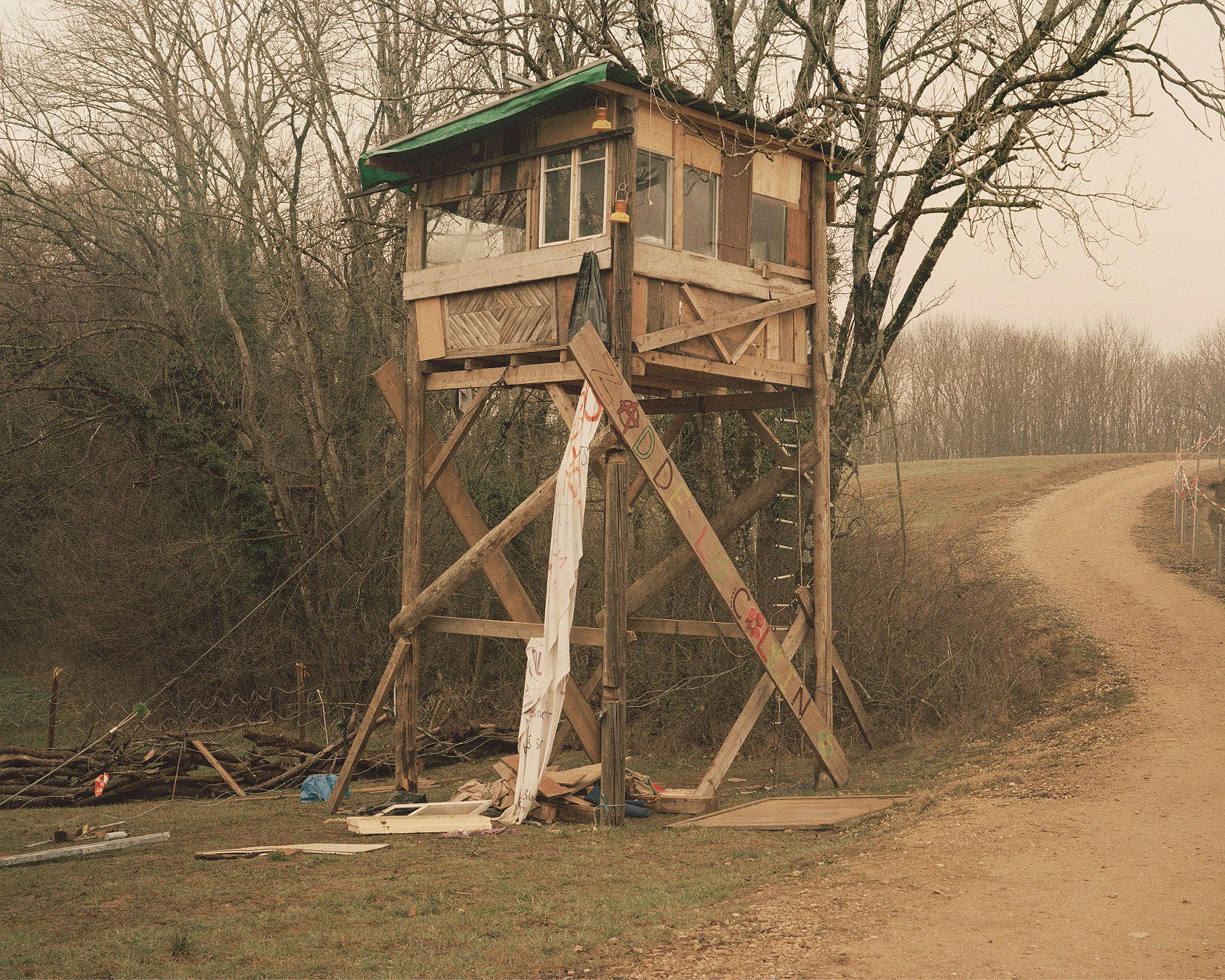
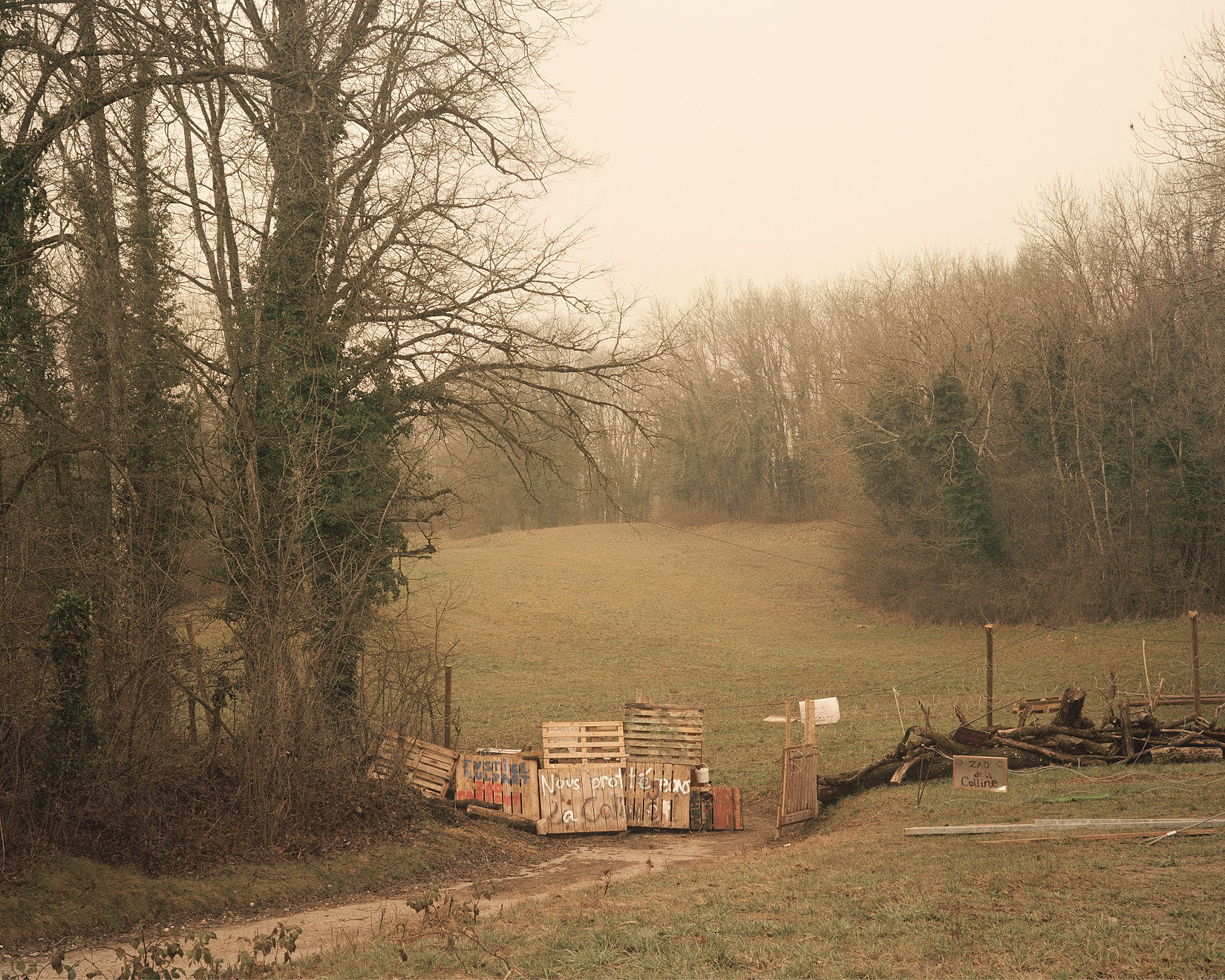
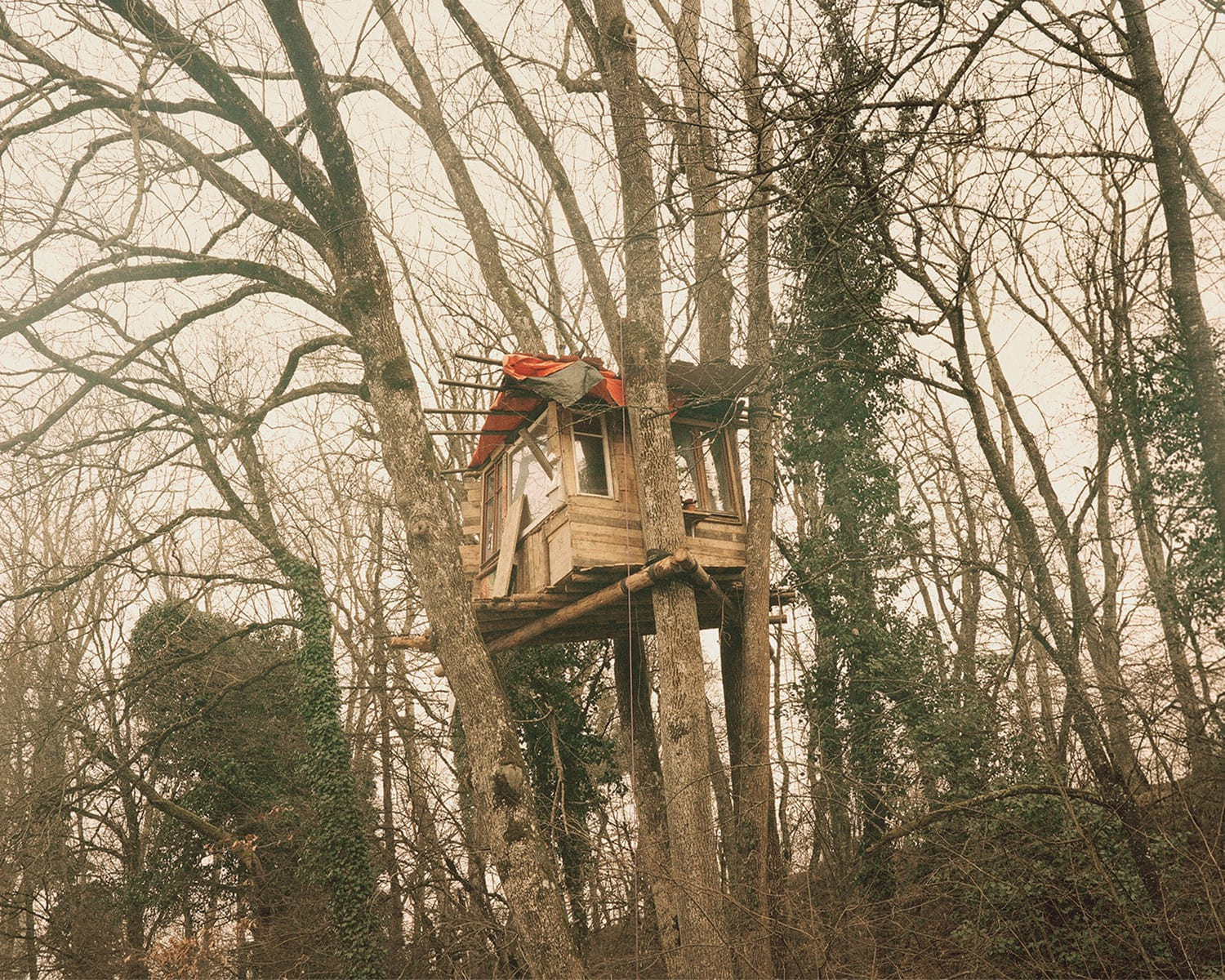
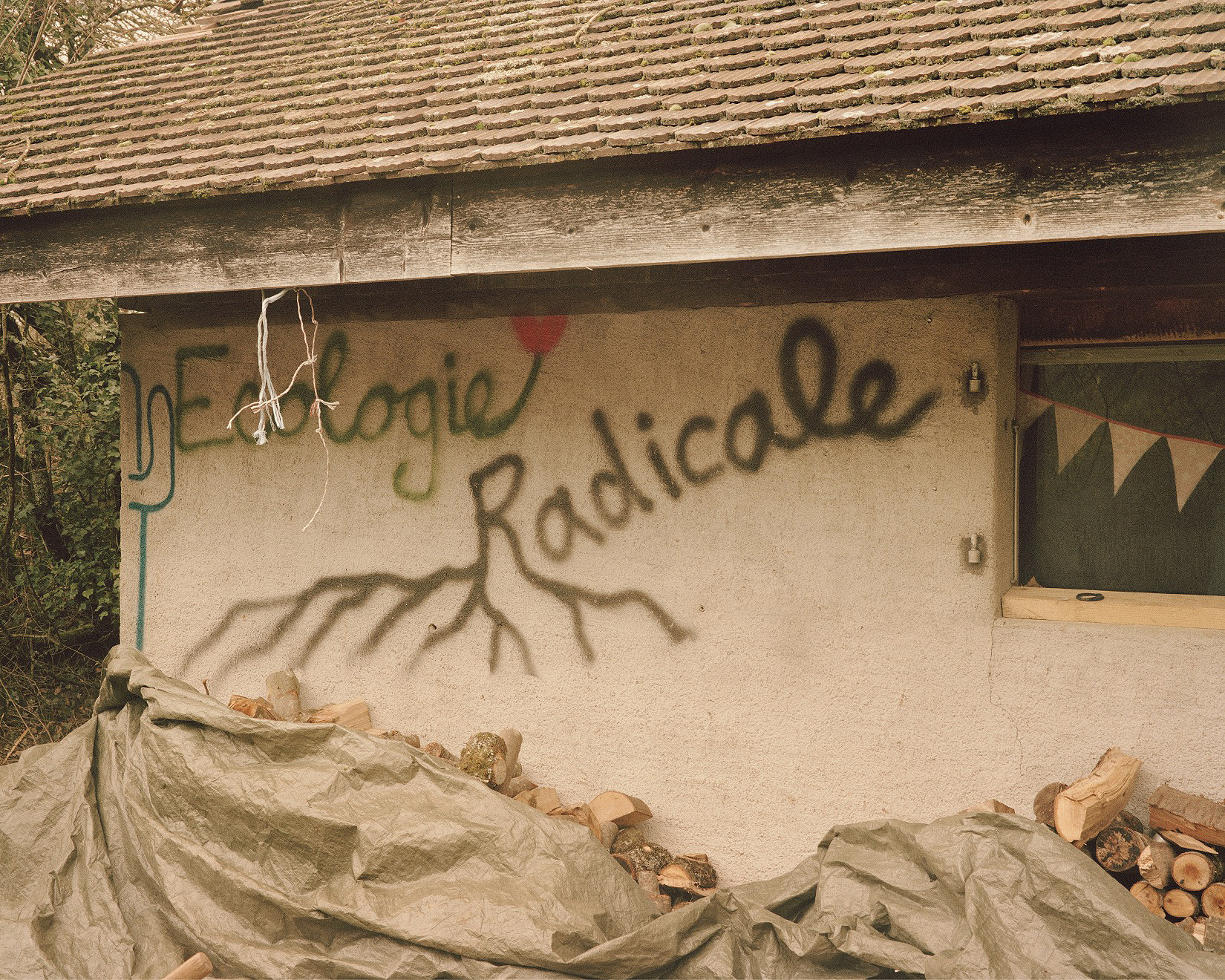
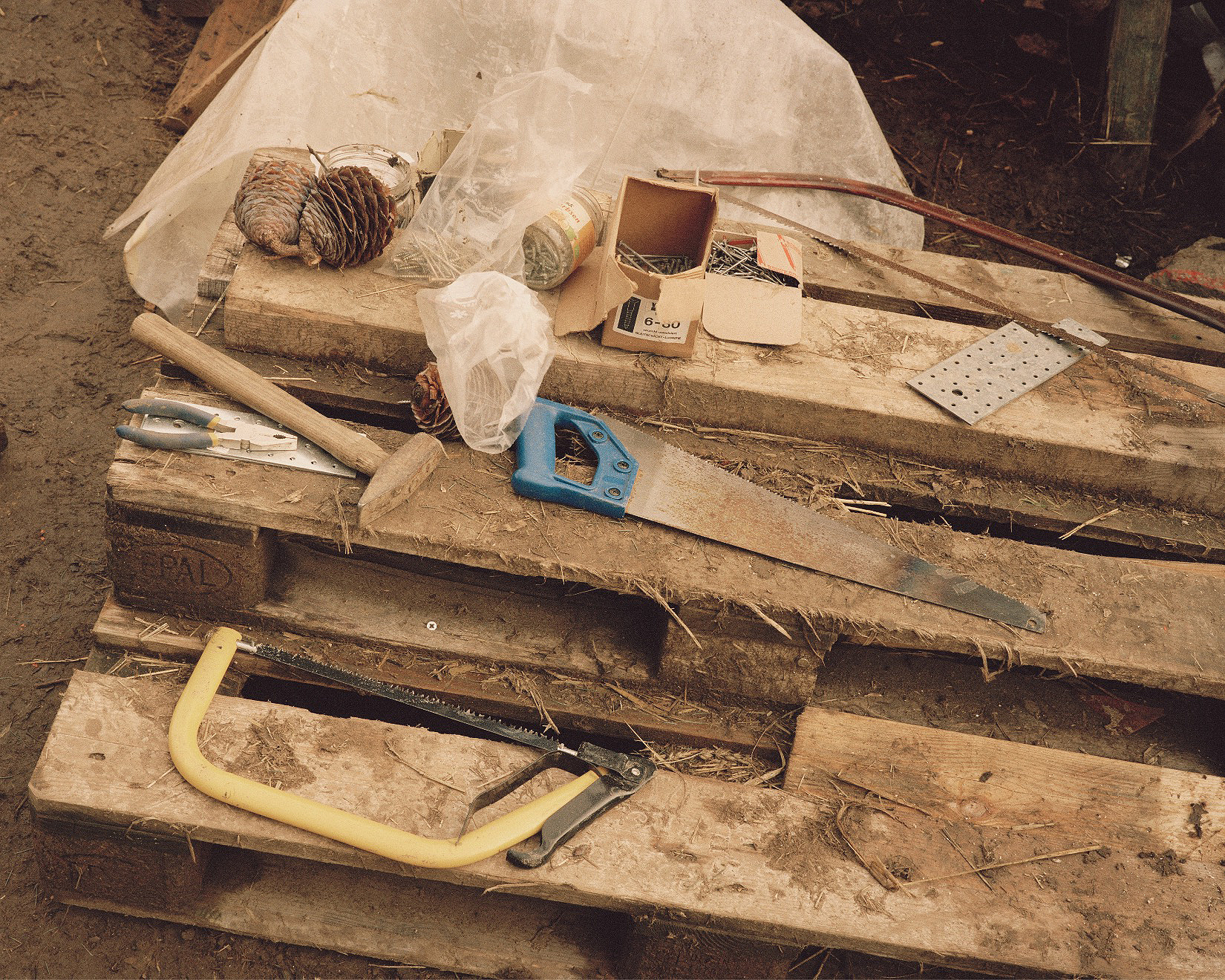
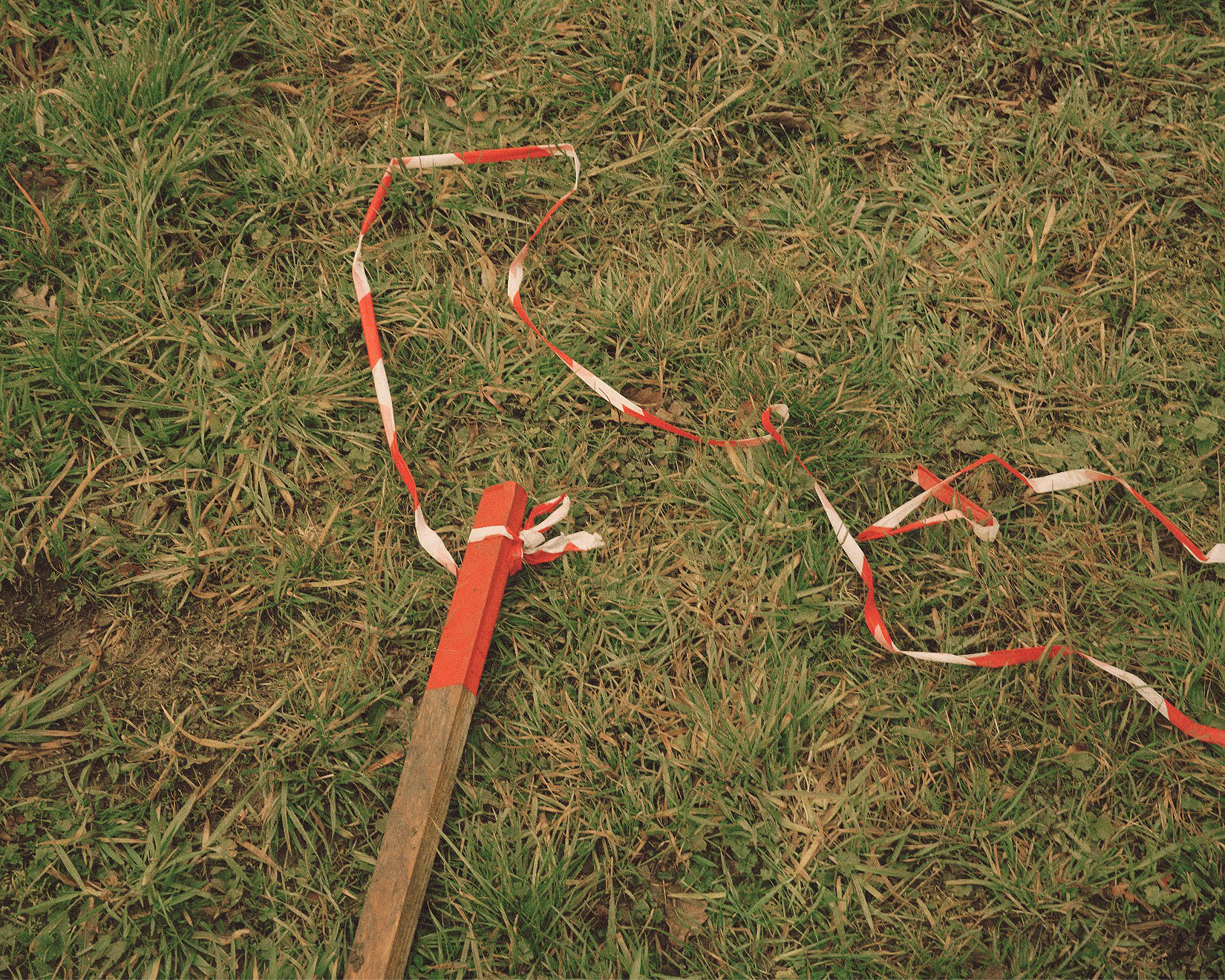
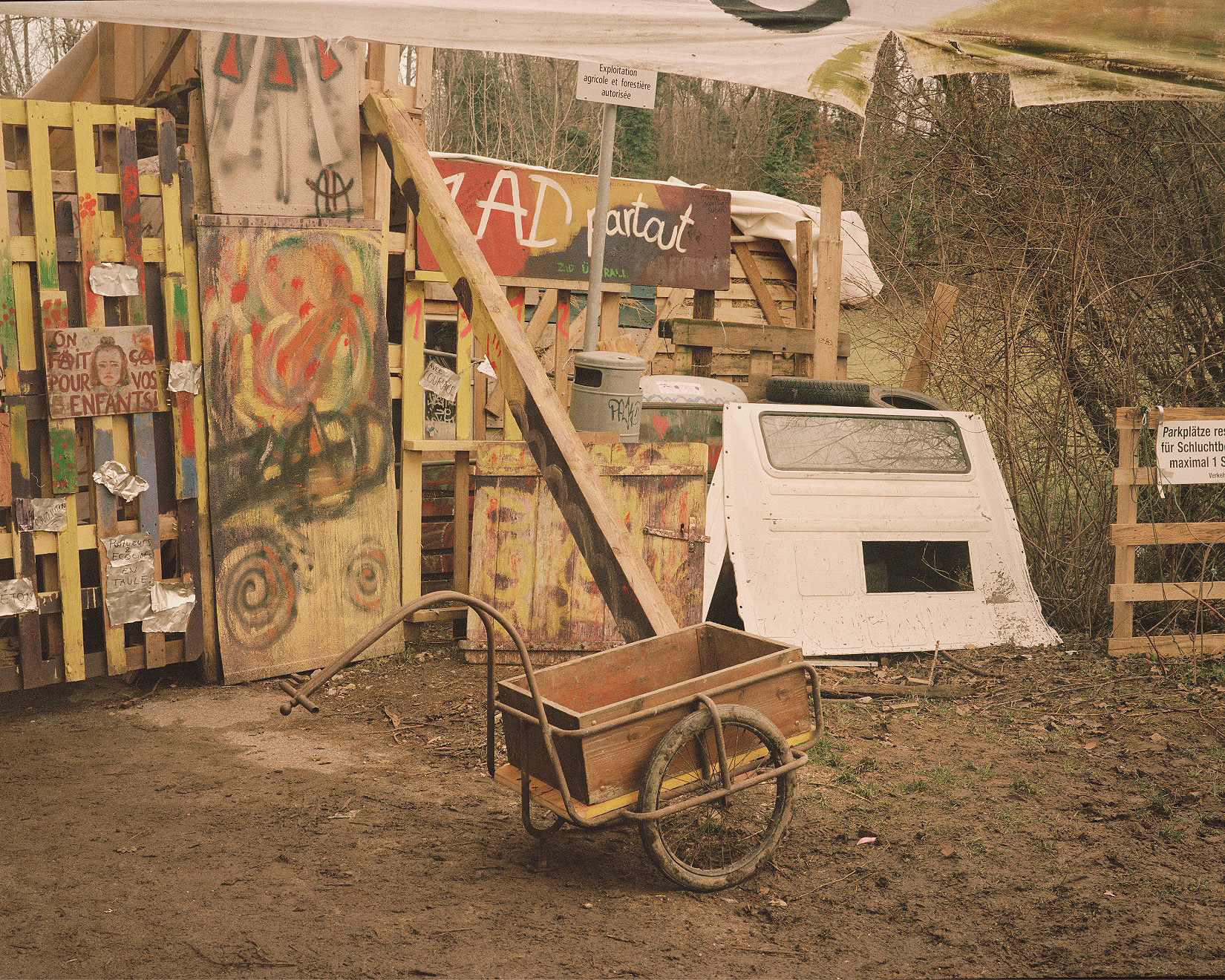
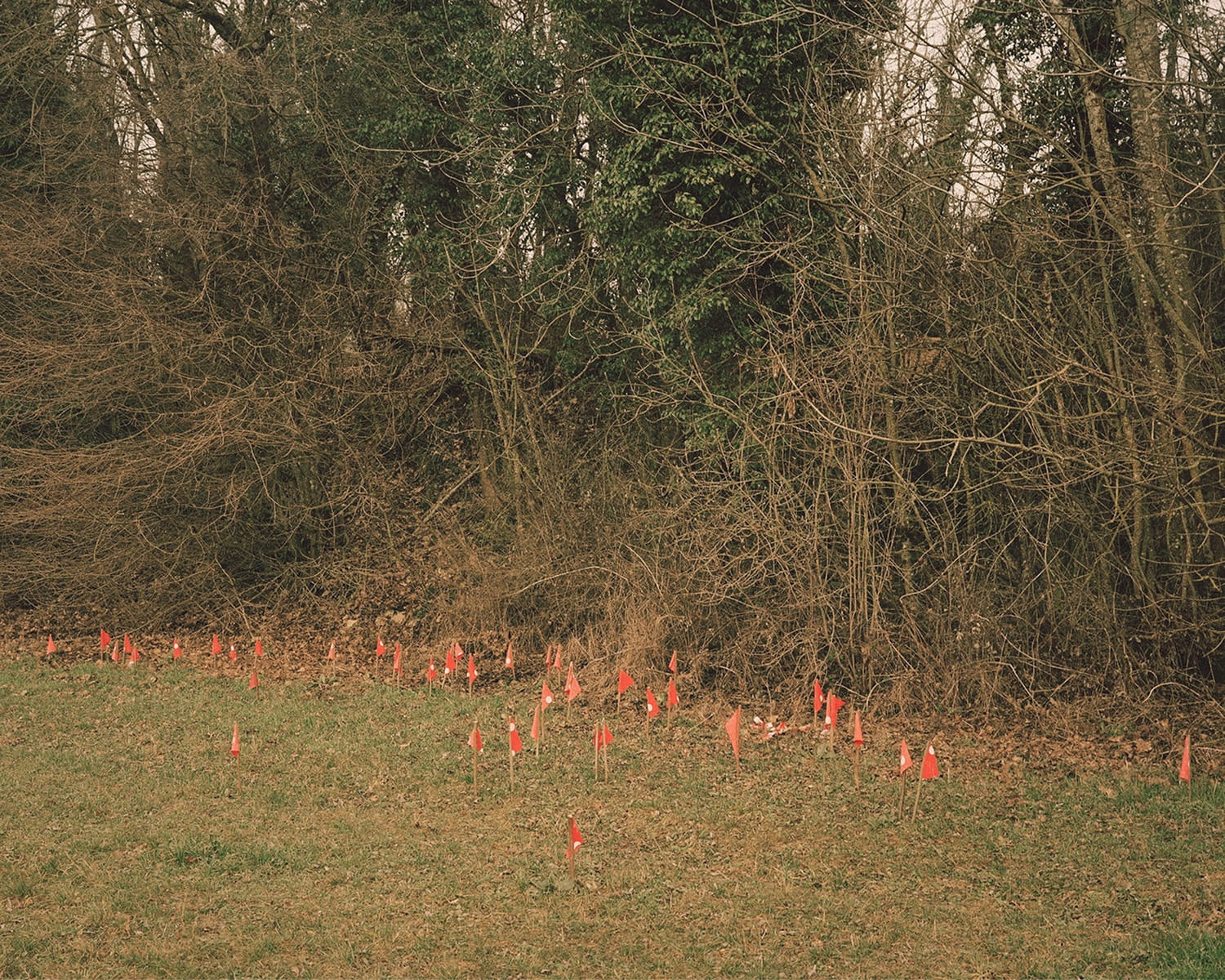
Ecologie RadicaleThe Zone à defender (ZAD) was established in the Mormont hill between October 2020 and March 2021. It was the first forest occupation in Switzerland, intended to denounce the exploitation on the hill and to prevent the extension of the mine, home to unique species, including a rare orchid.






–
Exhibitions
Sacré Mormont Palais de Rumine, Laussane, Switzerland, 2023-24
–
Collection of Palais de la Rumine
–
Le Mormont, Canton of Vaud, Switzerland, 202
–
Exhibitions
Sacré Mormont Palais de Rumine, Laussane, Switzerland, 2023-24
–
Collection
of Palais de la Rumine
–
Le Mormont, Canton of Vaud, Switzerland, 2023
The Zone à defender (ZAD) was established in the Mormont hill between October 2020 and March 2021. It was the first forest occupation in Switzerland, intended to denounce the exploitation on the hill and to prevent the extension of the mine, home to unique species, including a rare orchid. – Exhibitions Sacré Mormont Palais de […]
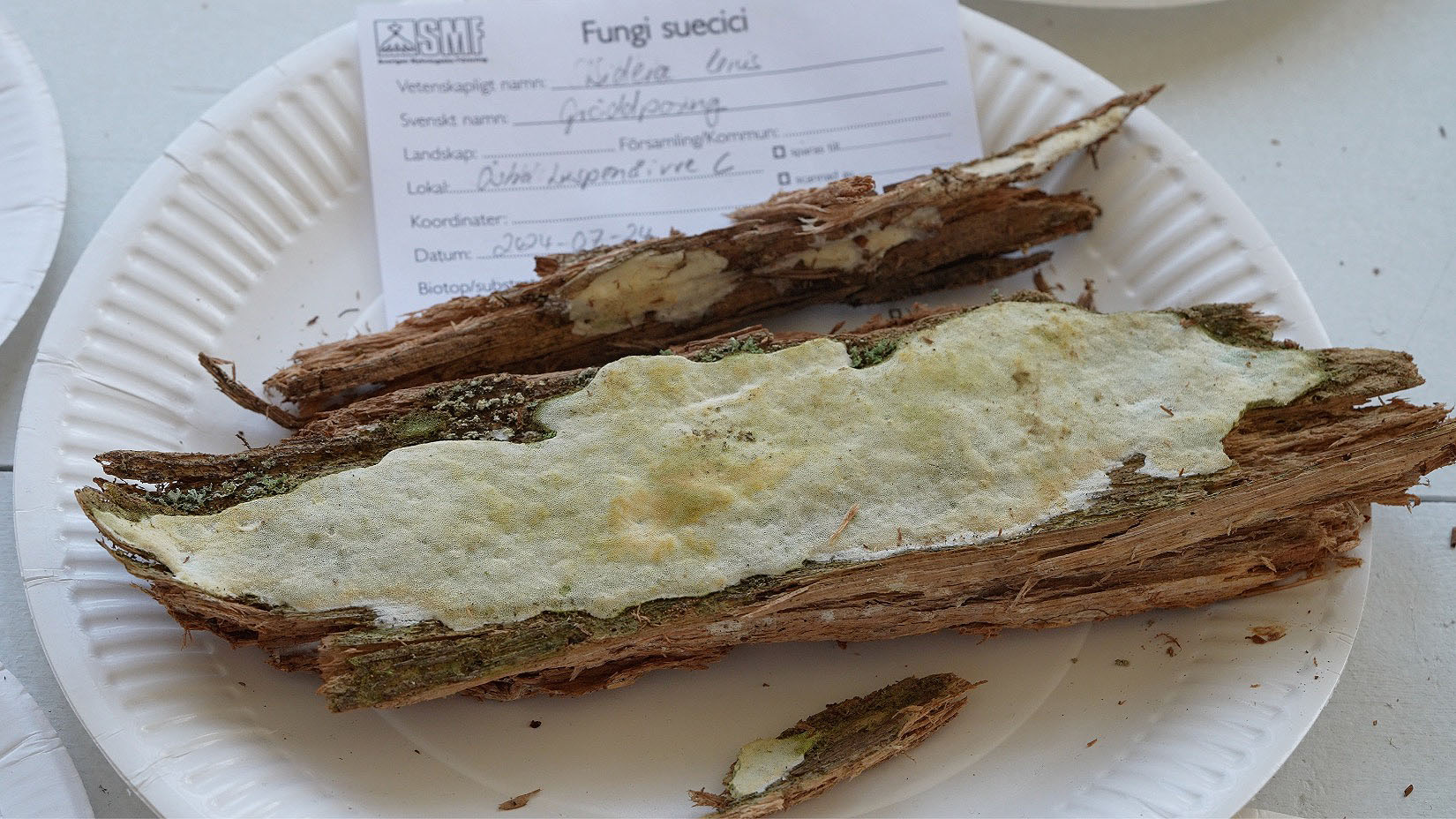
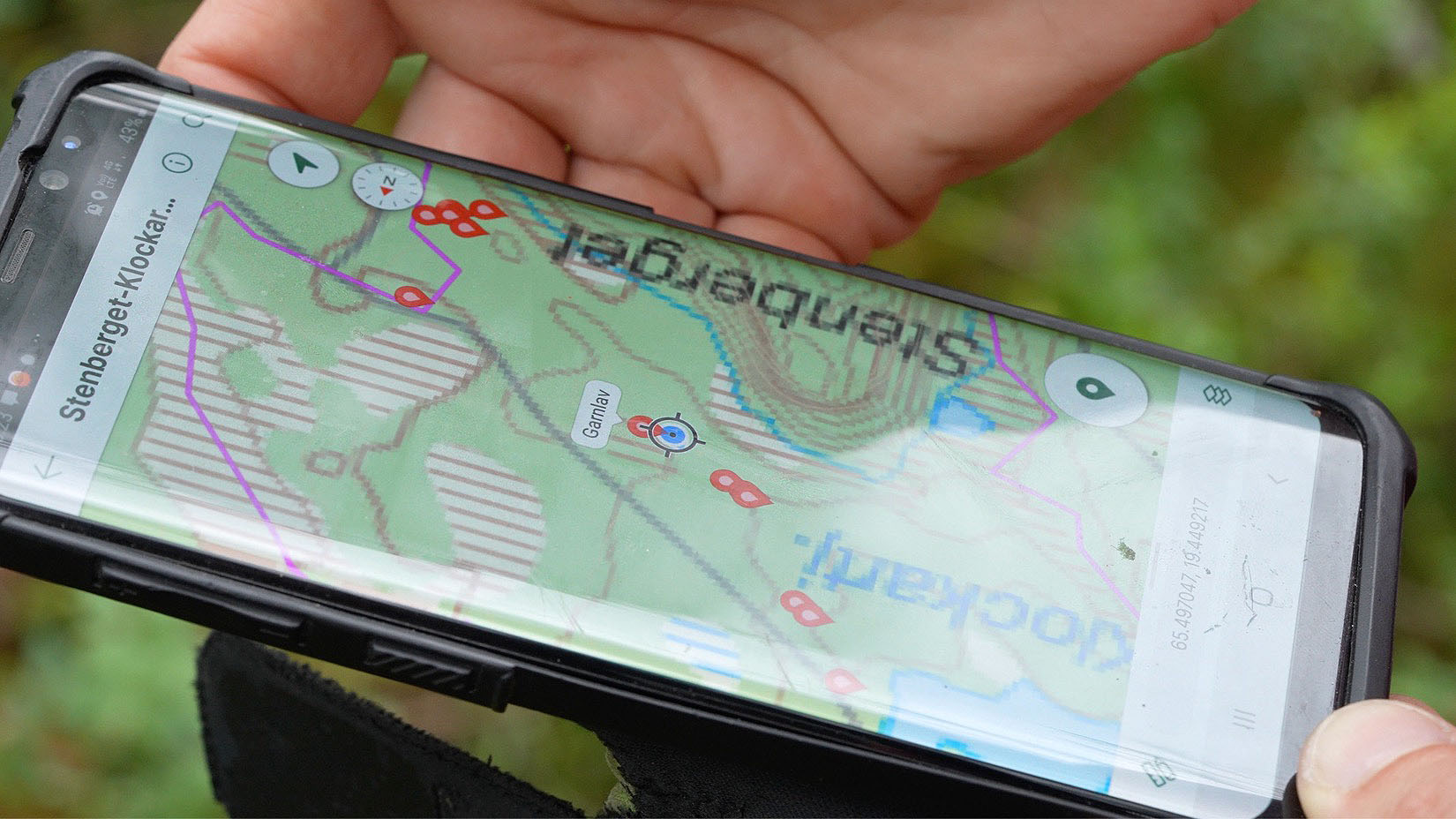
Archaeology of SacrificeThrough the discovery of a Celtic sacrificial site at Mormont Hill—a limestone and marl quarry located in the Swiss canton of Vaud, Archaeology of Sacrifice unveils how the notion of sacrifice has transitioned from ancient sacred rituals to its contemporary meaning within extractive capitalism. In a continuous interplay between fact, fiction and scale, meditative landscapes of typically inaccessible areas are juxtaposed with archival footage, drone views, investigative close-ups and photogrammetry-based 3D modelling.
Evidence suggests the Celts inhabiting the site during the second century BCE were experiencing a moment of crisis, perhaps linked to Germanic invasion. Thus, they buried offerings in the form of several human and animal bodies, tools and bronze vessels to the Earth in exchange for guidance through the catastrophe.
Today, sacrifice is mediated by market exchange—the well-being of humans, nonhumans and the environment has been betrayed in favour of economic growth. Sacrifice zones are proliferating in areas deemed most extractable, most exploitable: usually regions under pressure from neoliberal policies. Here, humanity and nature are believed to be expendable and replaceable.
Mormont Hill’s excavated objects help archaeologists fiction a past, though the Celts almost certainly did not intend for these remains to be uncovered. In archaeology, formulating past beliefs involves delicately navigating between fiction and reality, where the lines are always blurred; the reconstruction will always be a representation. The project builds on this grey area in our own moment of current crisis, pushing for a more earthly understanding of prospective cohabitation while offering a reflective space for an unknown future.
Whilst acknowledging the Anthropocene is built on an erasure of its racial origins, Archaeology of Sacrifice reflects on the precariousness of our planet and its unsolicited submission to humanity.
Archaeology of Sacrifice was created in collaboration with film editor Lara Garcia Reyne, artists Valle Medina and Benjamin Reynolds (Pa.LaC.E), writer Carlos Fonseca, sound designer and composer Udit Duseja, and colourist Paul Wills. The film includes archival footage from the documentary Crépuscule des Celtes (2007) by Stéphane Goël, Climage.
–
It was produced as result of the Scholarship 2020 of the ZF Kunststiftung, Friedrichshafen, Germany, filmed during Principal Residency Program, La Becque Résidence d’artistes, La-Tour-de-Peilz, Switzerland and with the collaboration of the Musée cantonal d’archéologie et d’histoire/Lausanne, Switzerland. It was presented first by ZF Art Foundation at the Zeppelin Museum Friedrichshafen, 18.9.–6.12.2020.
–
Supported by
ZF Art Foundation Friedrichshafen, Germany, 2020
–
Links
La Becque Artist Residency, Switzerland, 2019
–
Archaeology of Sacrifice video teaser, 2020
–
Exhibitions
Extractivisms. 13th Leandre Cristòfol Art Biennial, La Panera, Lleida, Spain, 2025
Sacré Mormont Palais de Rumine, Laussane, Switzerland, 2023-24
ZF Art Foundation Friedrichshafen, Germany, 2020
–
Publication
Archaeology of Sacrifice, modo Verlag, Freiburg i. Br.2020
–
Online discussion
Discussion – Ignacio Acosta: Archaeology of Sacrifice, Zeppelin Museum Friedrichshafen, Germany, 2020
–
Reviews
Burlington Contemporary by Anna Staab, 2020
Artishock by Ellen Lapper, 2020
–
Le Mormont, Canton of Vaud, Switzerland, 2020
Through the discovery of a Celtic sacrificial site at Mormont Hill—a limestone and marl quarry located in the Swiss canton of Vaud, Archaeology of Sacrifice unveils how the notion of sacrifice has transitioned from ancient sacred rituals to its contemporary meaning within extractive capitalism. In a continuous interplay between fact, fiction and scale, meditative landscapes […]
Inverting the MonolithDouble video channel installation with surround design that delves into the clash between conservation and extractivism in Parque Andino Juncal. Images from camera traps are intermingled with audiovisual material from activists from the network Guardianxs Akunkawa, recorded with their mobile phones, denouncing the impact the U.S-financed mining exploration company Nutrex is having on the glacier systems.
The video draws attention to the chasms that mining exploration Proyecto Caliente leaves behind, and its adverse effects on the glacial ecology of the Andes Mountains, such as the creation of dams that pose a major threat to the hydric network.
Together they create a visual dialogue and multimedia narrative chronicling the progress of mining exploration in the area. The monitoring and documentation of fauna forms part of a wider strategy to contest the mining threat and show the value of conservation within this high-value ecosystem. Inverting the Monolith excavates and highlights the unseen: both the covert mining activities that violate local land laws, and the counter-surveillance work conducted by activists aiming to expose these illegal pursuits using drones and camera traps.
–
Inverting the Monolith was created in collaboration with film editor Lara Garcia Reyne, sound designer and composers Gregorio Fontén and Udit Duseja, and colourist Paul Wills.
–
Supported by
Museum Sinclair-Haus in Bad-Homburg, Germany for the exhibition Ewiges Eis, 2022
Solid Water, Frozen Time, Future Justice, Humanities Research Council (AHRC)
–
It was produced for the Museum Sinclair-Haus in Bad-Homburg, Germany for the exhibition Ewiges Eis 25.09.25– 31.12.25
–
Exhibitions
From Mars to Venus, La Panera, Lleida, 2024-25
Inverting the Monolith, Musée des beaux-arts, 2023
Ewiges Eis, Museun Sinclair Haus, 2022
Double video channel installation with surround design that delves into the clash between conservation and extractivism in Parque Andino Juncal. Images from camera traps are intermingled with audiovisual material from activists from the network Guardianxs Akunkawa, recorded with their mobile phones, denouncing the impact the U.S-financed mining exploration company Nutrex is having on the glacier […]
Mining MonolithThis project builds a constellation of research materials—including photographs, documents, objects and videos—delving into the complexities of mining exploration in the close proximity Parque Andino Juncal, a conservation area located in the Andean Mountains in the region of Valparaíso, Chile.
Under the military dictatorship of Pinochet (1973-1990), a mining law was passed which separated land ownership from the mineral resources beneath the Earth’s surface. The “Codigo Minero” thus enables concession owners to mine or ‘explore’, while bypassing the wishes of the surface property owners. The sites of these ecological violations are marked with mining monoliths or survey monuments—pyramidal structures made of concrete and stone that define the territory.
Parque Andino Juncal is a protected area with altitudes reaching 5,000 metres above sea level. It contains a hydric network of glaciers, rivers, streams, Andean vegas, and underground springs. Unique in South America, the area has been recognised as a site of international importance by the Ramsar Convention on Wetlands and is regarded as an endangered ecosystem.
Projecto Caliente was mining exploration undertaken in parts of the Hacienda Ganadera Tongoy and Parque Andino Juncal between 2019 and 2023. The documents provide evidence of Nutrex Spa’s activities, including the construction of 24 mining monoliths, construction roads, and drilling platforms, which disrupted watercourses and altered the local flora and fauna.
Bitacora Mineros or mining logbooks were used by Parque Andino Juncal to keep a chronology of mining exploitation in 2019. They offer a meticulous account of the mining operations from the park ranges perspective, narrating the evens related to the construction of 24 mining monoliths, roads, and drilling platforms. The collective efforts of Parque Andino Juncal in collaboration with social movements from the Aconcagua Valley have successfully stopped the mining venture from advancing to exploit the mountain range.
Slideshow
–
Supported by
Museum Sinclair-Haus in Bad-Homburg, Germany for the exhibition Ewiges Eis, 2022
Bienal de Artes Mediales de Santiago 2019 The limits of the Earth at Museo de Arte Contemporáneo (MAC) Parque Forestal, Santiago, Chile (2020), co-curated by Catalina Valdes and Jean-Paul Felley.
Solid Water, Frozen Time, Future Justice, Humanities Research Council (AHRC)
–
Exhibitions
From Mars to Venus, La Panera, Lleida, 2024-25
Inverting the Monolith, Musée des beaux-arts, 2023
Ewiges Eis, Museun Sinclair Haus, 2022
The Limits of the Earth, Bienal de Artes Mediales de Santiago, 2019
–
Partners
Parque Andino Juncal
Alianza Gato Andino
Guardinxs del Akunkawa
–
Parque Andino Juncal, Valparaíso Region, Chile, 2019-2022
This project builds a constellation of research materials—including photographs, documents, objects and videos—delving into the complexities of mining exploration in the close proximity Parque Andino Juncal, a conservation area located in the Andean Mountains in the region of Valparaíso, Chile. Under the military dictatorship of Pinochet (1973-1990), a mining law was passed which separated land […]
Litte ja GoabddáLitte ja Goabddá is a video installation with surround sound that explores the use of drone technologies as a tool of minority indigenous resistance to the proposed Gállak mining operations in Jåhkåmåhkke [Jokkmokk], Norrbotten County, Sweden. The project was developed in close collaboration with activists and Sámi families living and working in the area, combining extensive fieldwork and visual documentation.
The Sámi are an indigenous minority whose traditional ancestral land of Sápmi crosses the modern nation states of Finland, Norway, Sweden and Russia. The systematic subdivision, expropriation and industrialisation of Sápmi has resulted in the dispossession of historical indigenous lands, and in the fragmentation of Sámi cultural belonging and identities.
Gállak North is one of the largest unexploited iron ore deposits in Europe. The UK-based Beowulf Mining PLC, through its Swedish subsidiary Jokkmokk Iron Mines AB, has submitted an application for a twenty-five-year exploitation concession to establish a mine at the site. Their application is currently under review by the Swedish Government. If a mining permit were granted it would have a massive impact on the area’s fragile ecology, and would cause further disruption to the reindeer migration paths. If the mine goes ahead, Sámi cultural life in the area would experience irreversible decline and with it the loss of valuable indigenous knowledge.
Drone technologies have, for the most part, been associated with ideas of vertical control, surveillance and warfare, and have been perceived as a technology that extends corporate and military power. At the same time, because of the drone’s capacity to generate accurate image-based mapping and analytics, drones are also used by the mining industry to increase efficiency and profitability. By artistically appropriating this technology, I attempt to offer new ways of seeing how the geographies of ecological social movements are connected across time and place.
Litte ja Goabddá explores how the drone view and the drum manifest and reconcile the technological and the spiritual in counter-protests against settler colonial deforestation and extractive industries. During several research trips, he met with activists and Sámi families living and working in the area threatened by mining activities. From the beginning of the project, he became interested in finding ways to collaborate with these communities. His initial idea was to bring drones to Gállak so as to monitor Beowulf Mining. On his first visit, he met with the activists Mose Agestam and Henrik Blind who were already using drones as a tool to make visible from above what is happening at ground level. Communicating across social media platforms, their drone films make evident the disruption of Sápmi land, mapping not only its scale but also the commodification and financialisation of the land as private property and a source of capital.
–
Litte ja Goabddá was commissioned for the Drone Vision: Warfare, Surveillance, Protest project and was first exhibited at the Hasselblad Center, Gothenburg (May-Sept 2018.)
–
Links
Litte ja Goabddá video teaser, 2018
–
Exhibitions
From Mars to Venus, La Panera, Lleida, 2024-25
GUT_BRAIN 1: Destructive Desires and Other Destinies of Excess, Blackwood Gallery, Canada, 2023
Drones y Tambores, Museo de la Solidaridad Salvador Allende, Santiago (MSSA), Chile, 2020
Tales from the Crust, Arts Catalyst, London, UK 2019
Människans Natur, Västerbottens Museum, 2020
Game of Drones: Of Unmanned Aerial Vehicles, Zeppelin Museum, Friedrichshafen, Germany, 2019
Litte ja Goabddá, Ájtte Museum, Jokkmokk, Sweden, 2019
Drone Vision, Hasselblad Foundation, Sweden, 2018
–
Publications
The Sensorium of the Drone and Communities Kathrin Maurer, The MIT Press, 2023
Drone Vision, Art&Theory Publishing, Sweden, 2022
A Green Shift? Mining and Resistance in Fennoscandia, Yes to Life No to Mining, UK, 2022
Drones y Tambores exhibition catalogue, MSSA, Chile, 2020
–
Jåhkåmåhkke (Jokkmokk), Norrbotten County, Swedish Sábme, 2018
Litte ja Goabddá is a video installation with surround sound that explores the use of drone technologies as a tool of minority indigenous resistance to the proposed Gállak mining operations in Jåhkåmåhkke [Jokkmokk], Norrbotten County, Sweden. The project was developed in close collaboration with activists and Sámi families living and working in the area, combining […]
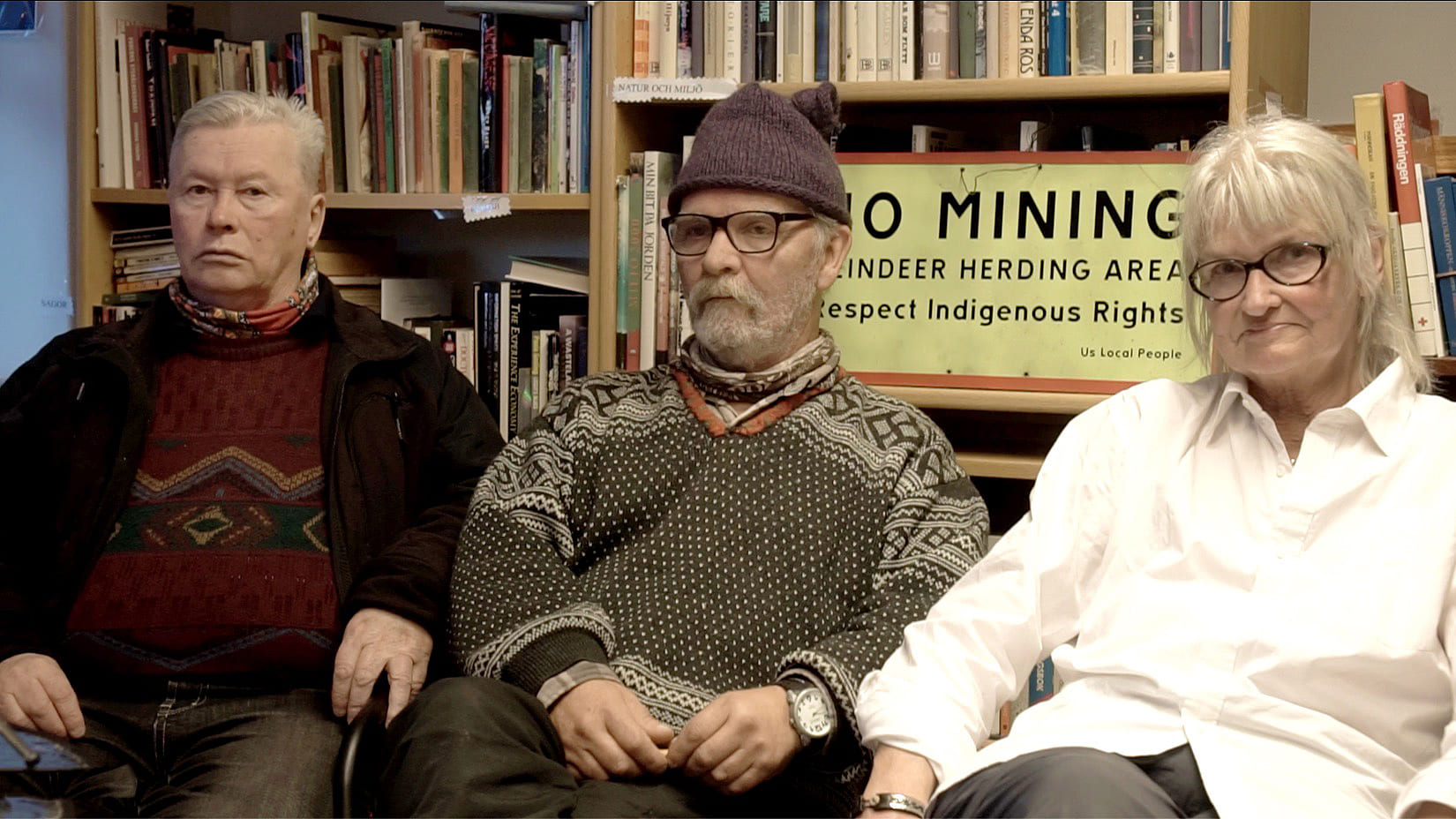
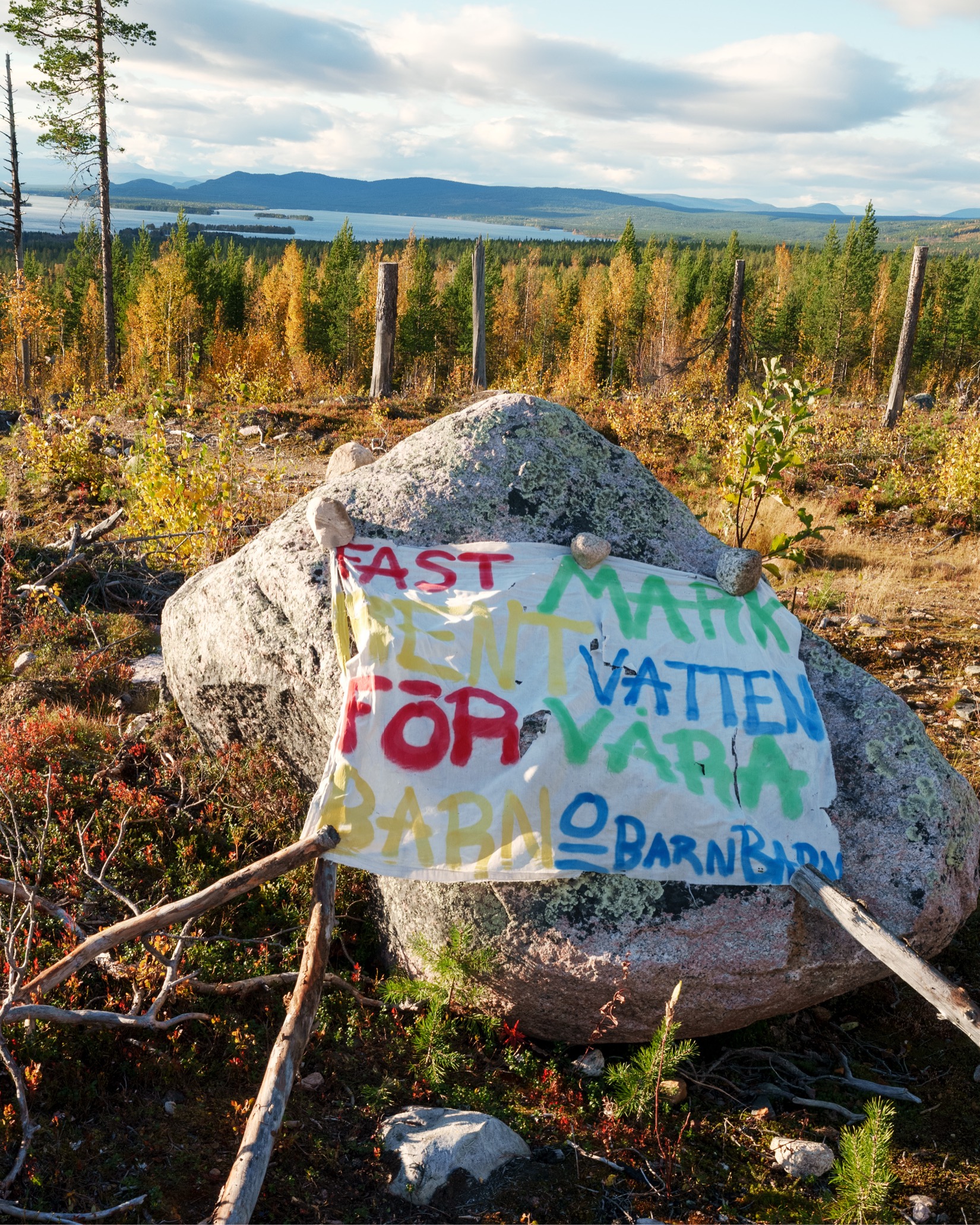
Giesse (Summer)Vertical views of Earth as forensic evidence of clear-cutting, a widespread practice in Nordic countries where all trees in a given area are felled. These photographs were taken in Gállok, at the site where Beowulf Mining Plc extracted iron ore samples and where large manifestations took place in 2013. While some images focus on the remains of the Boreal forests after being cut down, others depict traces of the naturally occurring iron-oxidizing bacteria that feed on iron-rich water systems.
Slideshow
–
Exhibitions
From Mars to Venus La Panera, Lleida, 2024-25
Drones y Tambores MSSA, 2019
Litte ja Goabddá, Ájtte Museum, Jokkmokk, Sweden, 2019
Drone Vision, Hasselblad Foundation, Sweden, 2018
–
Collection
Ájtte Museum, Hasselblad Foundation
–
Exhibitions
–
Gállok mining site, Norrbotten County, Swedish Sábme, 2017
Vertical views of Earth as forensic evidence of clear-cutting, a widespread practice in Nordic countries where all trees in a given area are felled. These photographs were taken in Gállok, at the site where Beowulf Mining Plc extracted iron ore samples and where large manifestations took place in 2013. While some images focus on the […]
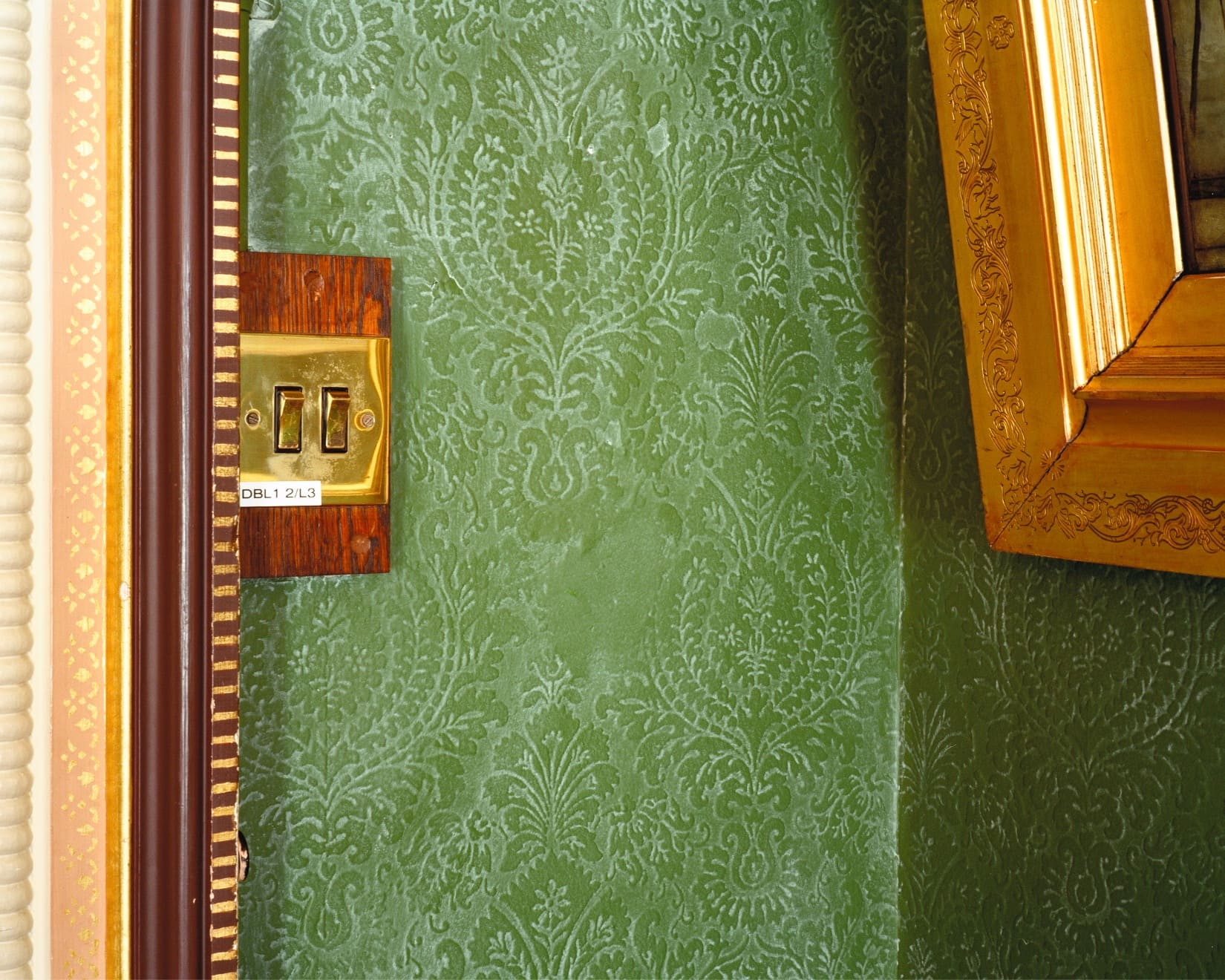
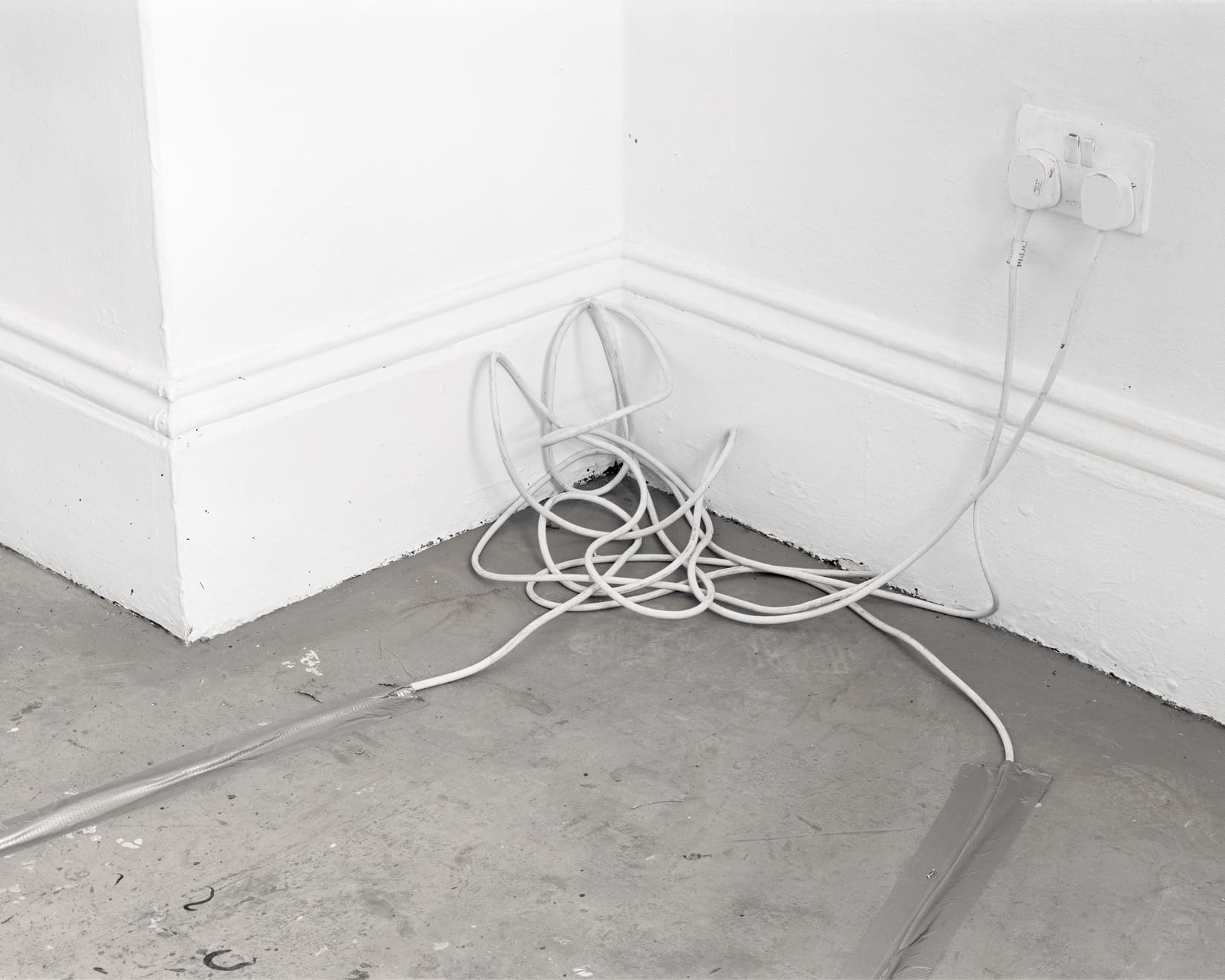
Copper GeographiesCopper is a miraculous and paradoxical metal characterised by high electrical and thermal conductivity. It is an essential element for nearly every human enterprise. Hidden in plastic, behind walls, bound into cables, carried as loose change; copper is everywhere yet rarely seen. Although the metal plays a key role in worldwide information and communication technologies and in the transition to a “green economy”, very little attention has been paid to the industry’s impacts on the ecologies in which it operates.
Due to its unique geological configuration in the Andean subduction zone, Chile contains the world’s largest deposits of copper: 27.5 percent of global reserves, mainly located in the Atacama Desert. Around 40% of the world’s copper is produced in Chile. The resulting ecology of extraction in the Atacama has come to be at the centre of a series of political and environmental disputes. Seven of the twenty largest copper mines are in Chile, including the very largest, Escondida, in the Atacama Desert. Chile has one of the highest numbers of recorded conflicts related to mining in Latin America. Amongst the many conflicts that have arisen are protracted legal battles involving, on the one hand, the big multinational corporations that control 70 percent of Chilean copper output, and on the other, the indigenous agricultural communities struggling with growing desertification, water contamination and land expropriation.
Chile has a long history of exploitation from foreign nationals that goes back to colonial times. British capital played a key role in the development of the Chilean economy as a whole, and particularly in the management of its copper and nitrate resources in the nineteenth century. In the early twentieth century, U.S. investors, such as the Guggenheim brothers, took over the extraction of Chilean minerals. In the late twentieth and twenty-first centuries a mix of multinational corporations together with the state-owned mining corporation Codelco have been responsible for roughly one third of global copper production.
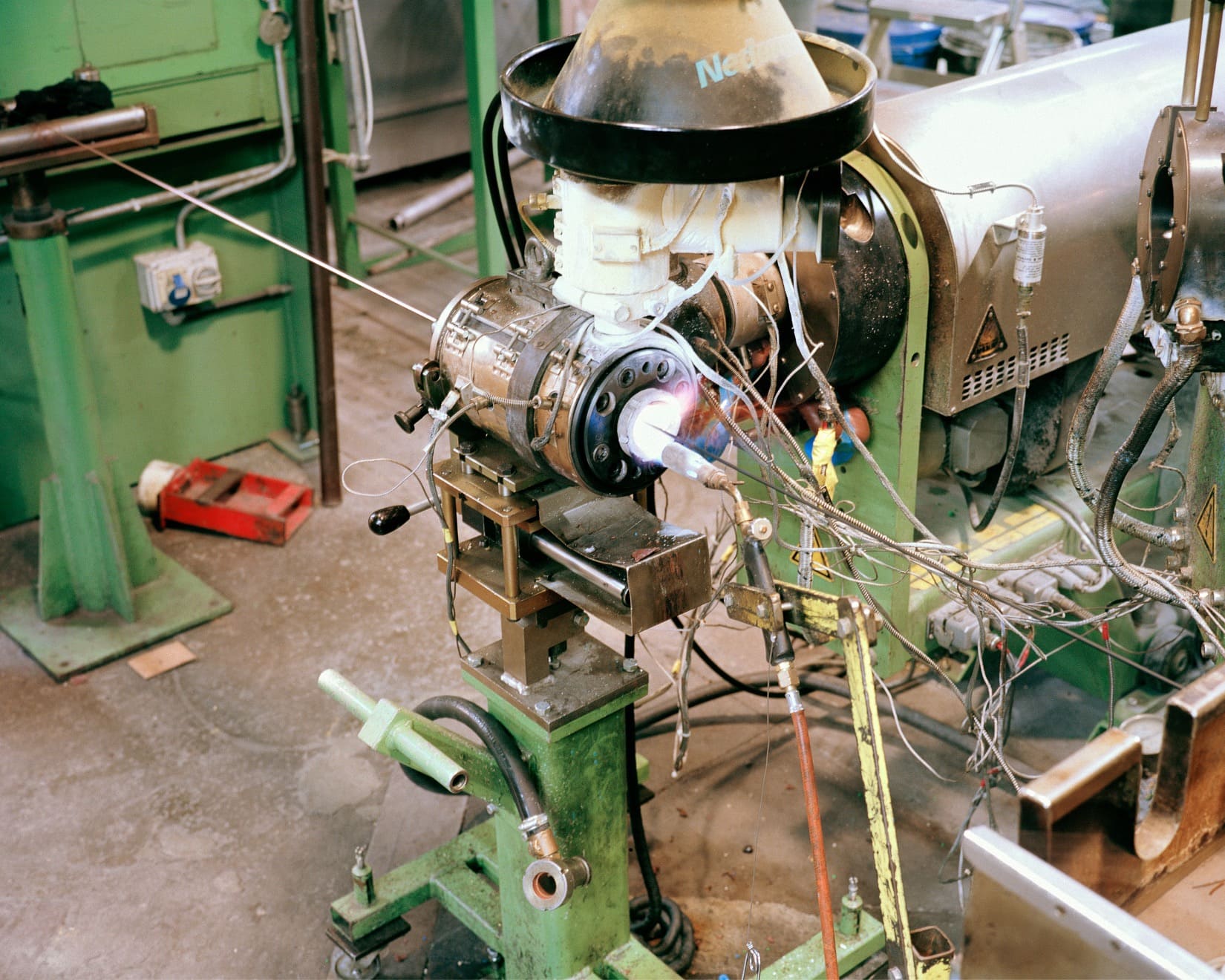
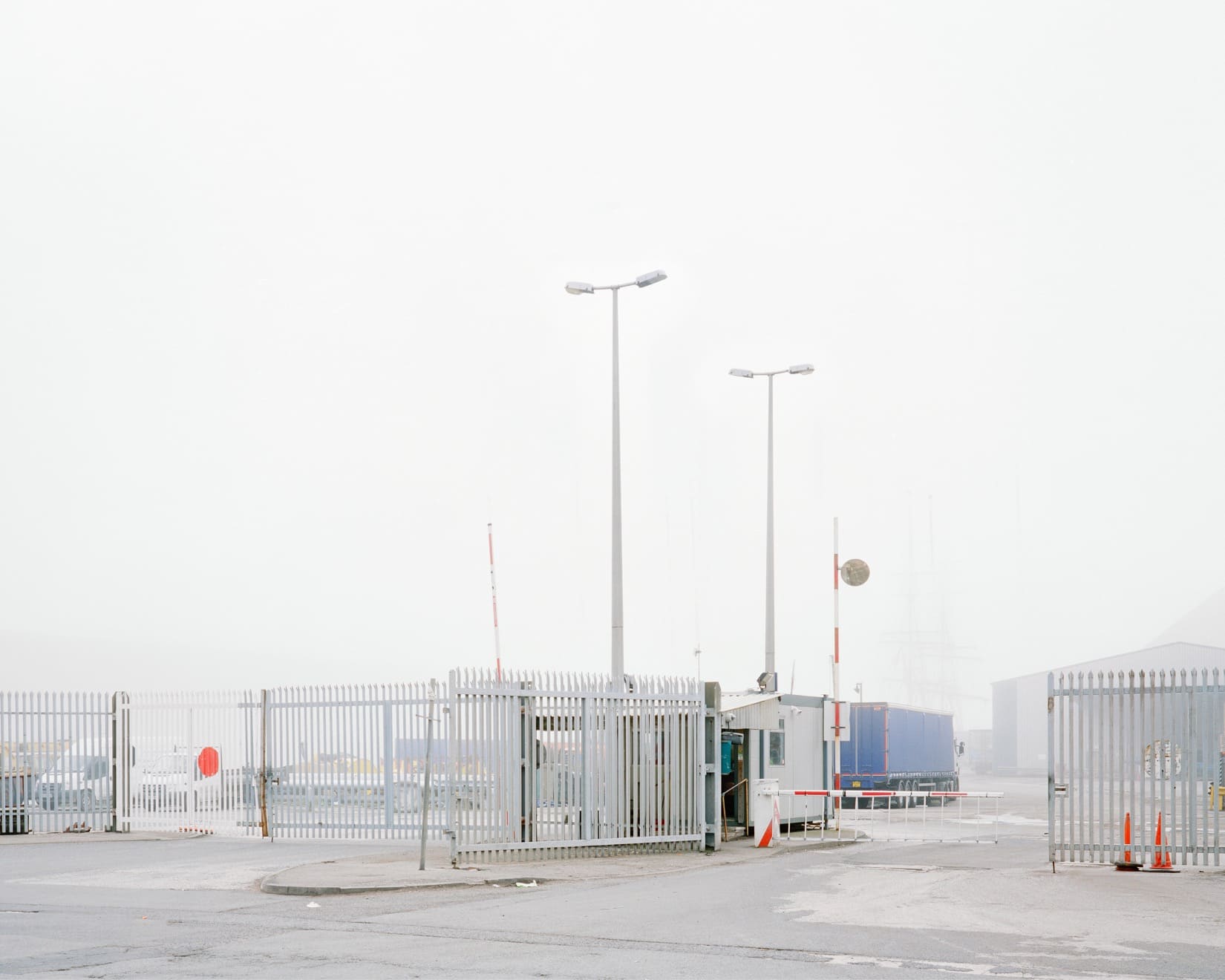
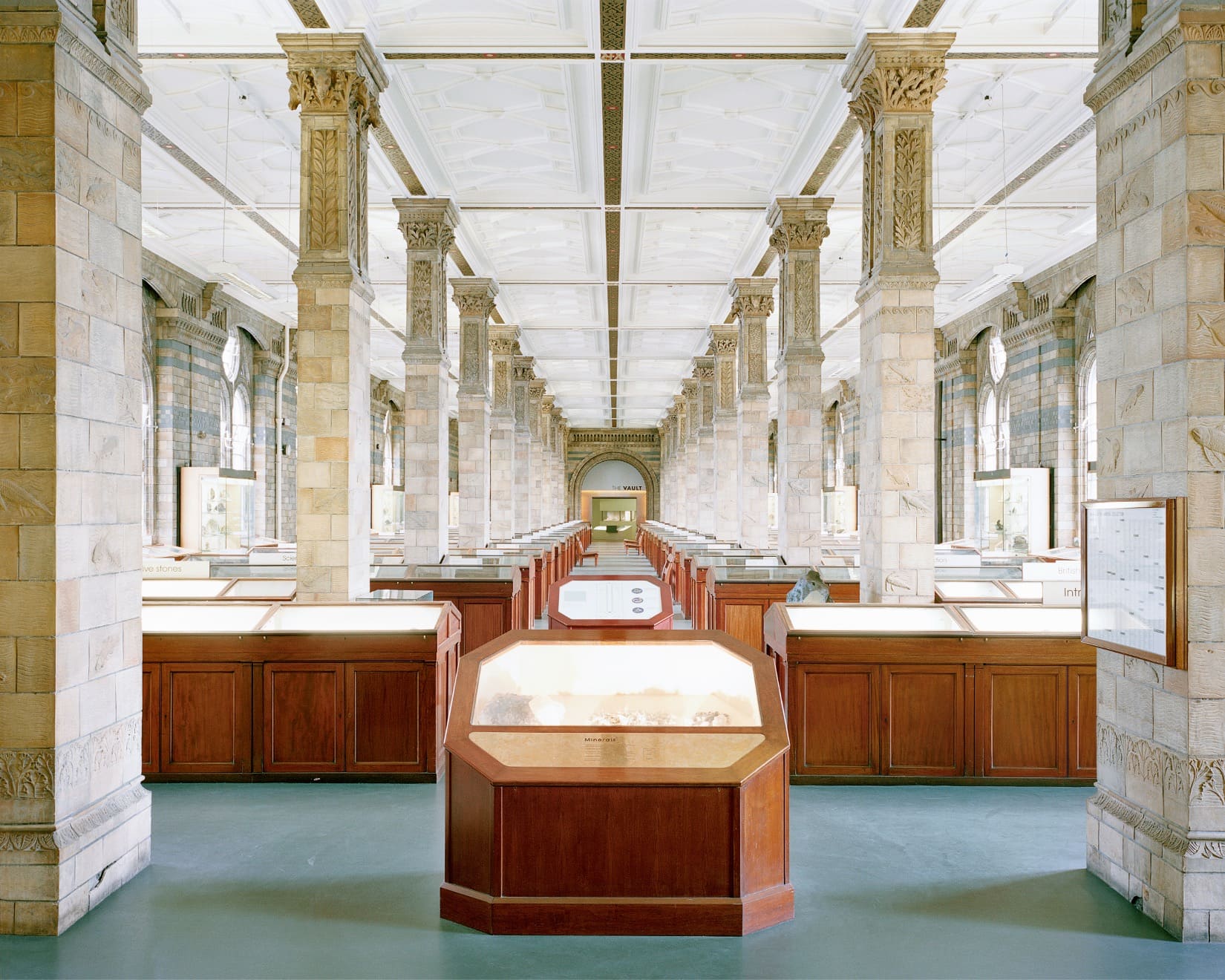
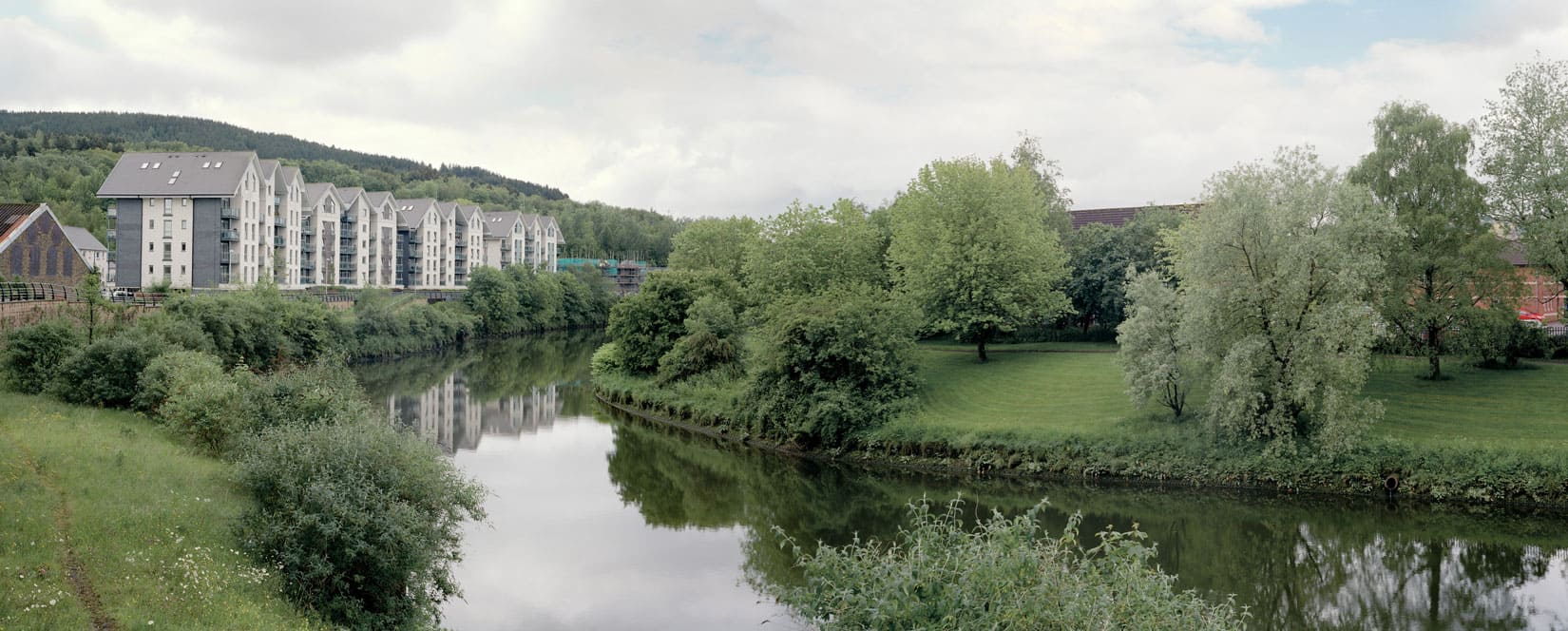
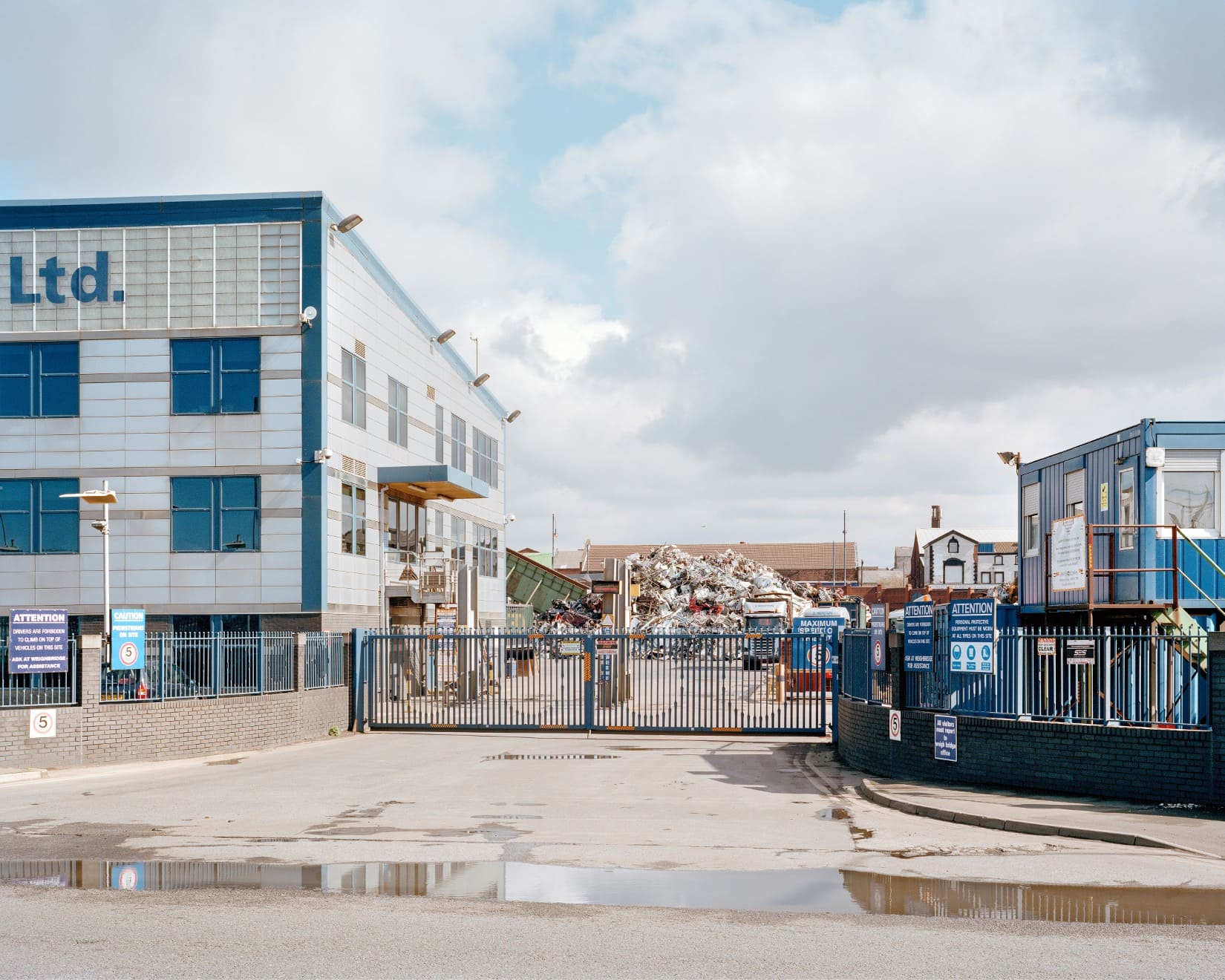
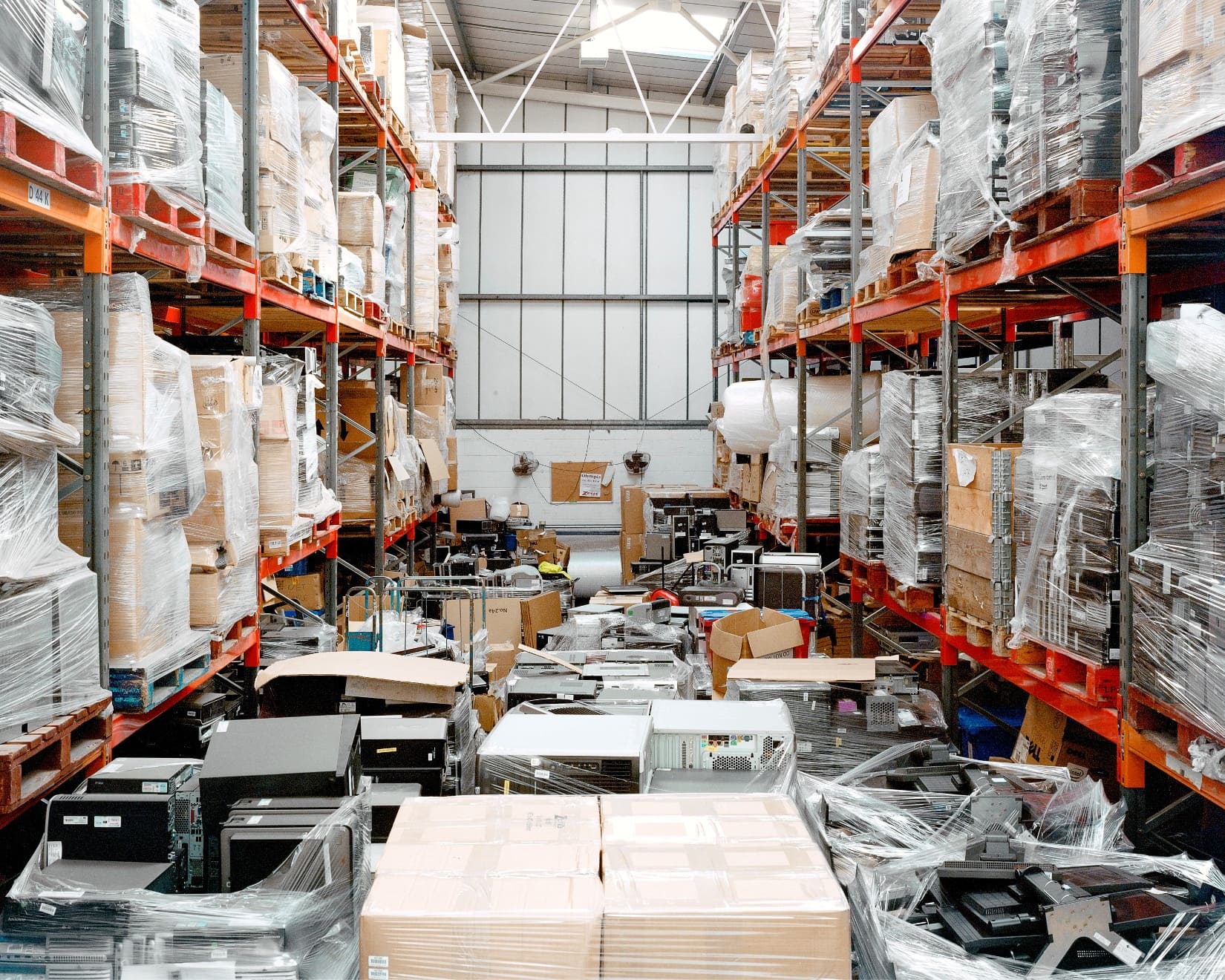
Copper Geographies invites the viewer on the journey of copper from raw material through stock market exchange value, smelted commodity, capital wealth and recycled material. From the transformed landscapes of the Atacama Desert through a re-imagined voyage to Wales and the City of London, the book documents spaces of circulation, environmental disruption, protest and trade, and makes visible the return of the copper hidden within technological devices to its geographical origins.
–
Exhibitions
From Mars to Venus, La Panera, Lleida, 2024-25
Museum für Kunst und Gewerbe Hamburg, Germany, 2022
Kunst Haus Wien Museum, Austria, 2022
Mining Photograhy, Geberwemuseum Winterthur, 2023
Intersectional Geographies, Martin Parr Foundation, Bristol, UK, 2022
En Paisaje | Experiencia | Producción, Museo de Arte Contemporaneo Santiago, Chile 2022
The Climate Emergency in 50 Rounds, Fotobokfestival Oslo, 2020
Trafficking the Earth. Museo de Arte Contemporáneo Universidad de Chile, Santiago, 2017
–
Monograph
Ignacio Acosta, Copper Geographies, Editorial RM, 2018
–
Publications
Maja Fowkes, Reuben Fowkes Art and Climate Change (World of Art), Thames & Hudson, London, 2022
Arts contemporains et anthropocène, Edited by Méaux D. and Tichit J. Hernann, Editions Hermann, France, 2022
Photographie contemporaine & anthropocène, Ed. by Méaux D. and Tichit, J. Filigranes Edition, France, 2022
Ignacio Acosta The Copper Geographies of Chile and Britain: A Photographic Study of Mining. Phd Thesis, University of Brighton, 2016
Beyond Gated Communities, Edited by Samer Bagaeen, Ola Uduku 2015
–
Reviews
Lur Magazinne by Chiara Sgaramella, 2020
Lur Magazinne by Ruber Arias, 2020
De Correspondent by Jan van Poppel, The Netherlands, 2020
Panorama, 2020
Tank Magazine, 2019
Transfer: Global Architecture Platform, 2019
Copper is a miraculous and paradoxical metal characterised by high electrical and thermal conductivity. It is an essential element for nearly every human enterprise. Hidden in plastic, behind walls, bound into cables, carried as loose change; copper is everywhere yet rarely seen. Although the metal plays a key role in worldwide information and communication technologies […]
LME Corporate NetworkWhile mining is a global industry, Britain has a particular place in its networks of extraction; London is home to the head offices of the wealthiest corporations which trade in its stock markets. London is the world’s biggest centre for investment in the minerals industry. Most of the world’s biggest mining companies, and many smaller mining companies, are listed on the London Stock Exchange, including its Alternative Investment Market (AIM). British high street and investment banks, pension funds and insurance companies invest hundreds of millions of pounds a year in scores of mining projects across the globe, connecting working people’s earnings in Britain with the fate of mining-affected communities around the world (London Mining Network).
–
Exhibitions
Trafficking the Earth, Bienal de Fotografia do Porto, Portugal, 2021
Reassemblage, Tenerife Espacio de las Artes (TEA), Spain, 2021
Trafficking the Earth. Museo de Arte Contemporáneo Universidad de Chile, Santiago, 2017
–
2016
Slideshow
–
Exhibitions
Reassemblage, Tenerife Espacio de las Artes (TEA), Spain, 2021
Trafficking the Earth, Museo de Arte, Santiago, Chile, 2017
–
Events
London Mining Tour, London Mining Network, Arts Catalyst
–
City of London, 2012-14
While mining is a global industry, Britain has a particular place in its networks of extraction; London is home to the head offices of the wealthiest corporations which trade in its stock markets. London is the world’s biggest centre for investment in the minerals industry. Most of the world’s biggest mining companies, and many smaller […]