Toxic Forest
2012
Los Pelambres copper mine and El Mauro tailings dam are owned by Antofagasta plc, a Chilean company listed on the London Stock Exchange and the FTSE 100 Index. The open-pit mine is located 3,800 metres above sea level in the high Andes.
Copper is transported as concentrate, a mixture of water and 30% of re-fined copper, to the Pacific port of Punta Chungo via pipelines. At the port the copper concentrate is dried and the water is disposed in a nearby plantation of eucalyptus trees.
The mine stores its fine waste in El Mauro, the biggest tailings dam in Latin America and the third biggest in the world. The dam currently holds around 1.7 bil-lion tonnes of tailings. A wall of 1,000 metres of compressed sand holds 2.06 billion tonnes of toxic waste material just 470 metres above the town of Caimanes.
The tailings are located in an earthquake-prone zone, which in the event of collapse would leave the 1,600 inhabitants of Caimanes only five minutes to escape before being buried. Residents of Caimanes have for many years expressed concerns over the pollution of the local water supply since the installation of the El Mauro dam. Los Pelambres currently has plans to expand their mine, despite public resistance.
On 21 October 2014, the Supreme Court of Chile ordered Antofagasta Minerals “to permit the natural runoff of the waters of the Pupío estuary to the community of Caimanes, free of contamination from waste from the El Mauro tailings dam”. Through this ruling it was recognised that the construction of the dam at the head of the Pupío estuary basin hin-dered the free flow of water and established the real-ity of the danger of contamination of the water due to the foreseeable leaking of heavy metals into the drinking water.
The waters were depleted by a factor of 80% as a result of the intervention of the mining company in the valley, causing the total disappearance of the river and most of its tributaries. This affected the amount of drinking water available and also meant a significant deterioration in the community’s quali-ty of life. Traditional activities related to agriculture and livestock, the wellsprings of the local economy, were disappearing.
In the event of an earthquake of 7.5 on the Richter scale, the collapse of the tailings mine could devastate the town of Caimanes in minutes, as it lacks effective security measures. The villagers are exposed, then, to the daily pressure of a threat to their lives. In particular, the school is located in the middle of the devastation risk zone.
The actions of the mining company created a par-ticularly tense situation in the territory. Historically, the company generated divisions through discrimina-tory practices, giving funds, projects and jobs to some in exchange for unconditional support, while excluding others.
Los Pelambres does not recognise its responsibility in the face of the re-ported facts, undertakes media campaigns and applies pressure on government agencies not to comply with the Supreme Court ruling. For its part, the commu-nity said that it will continue to exercise its right to demonstrate in pursuit of compliance with the law.
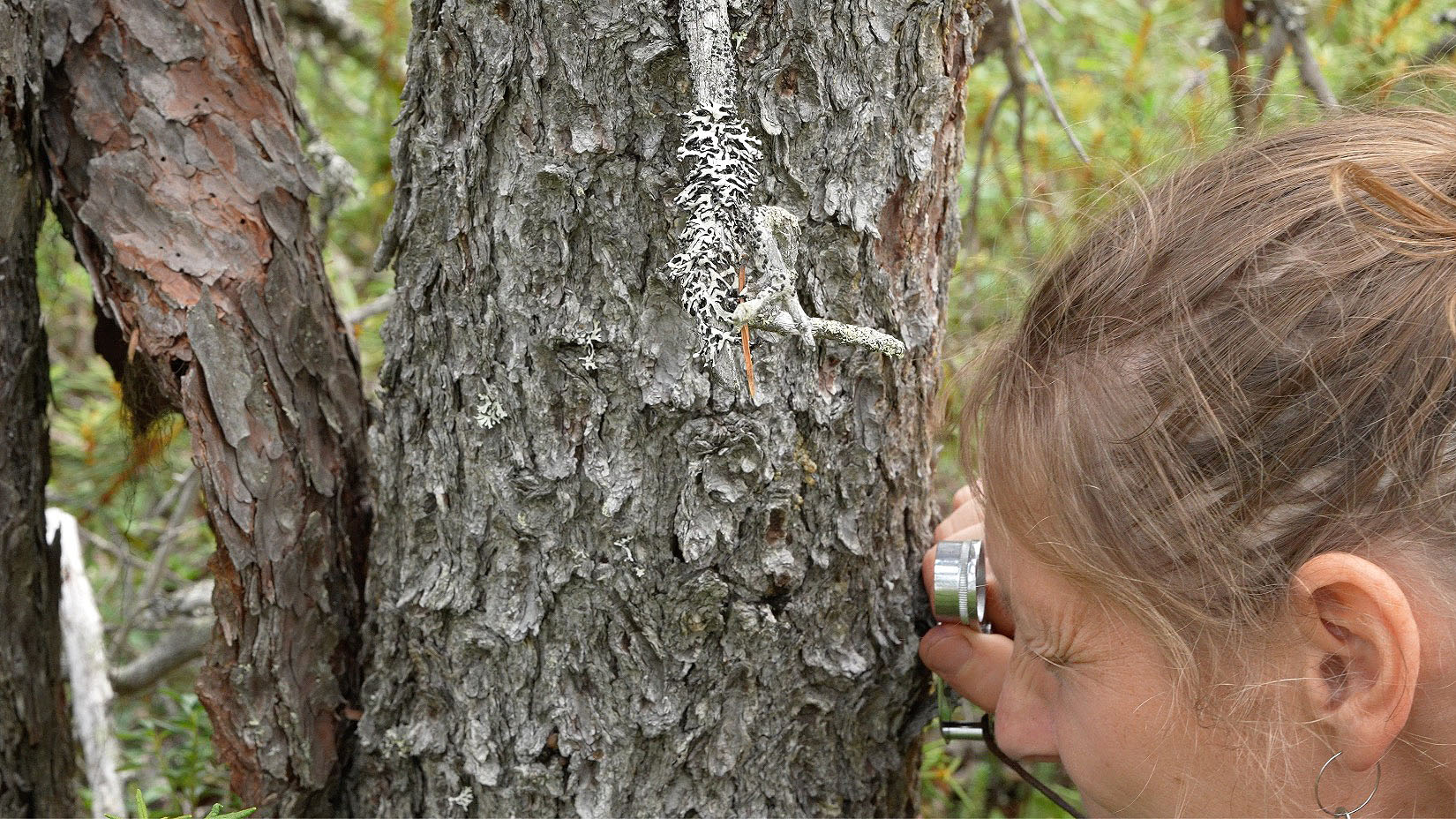
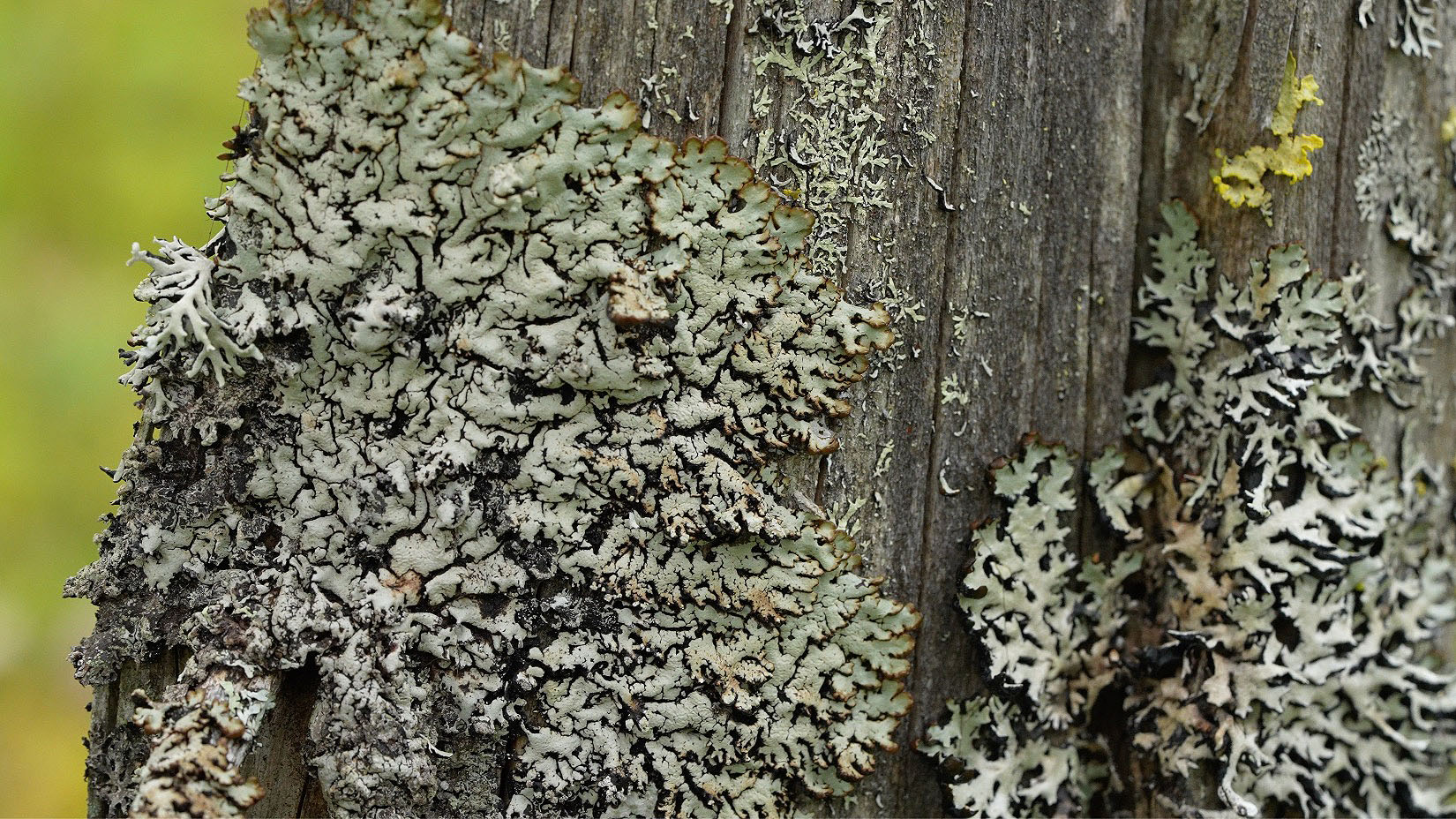
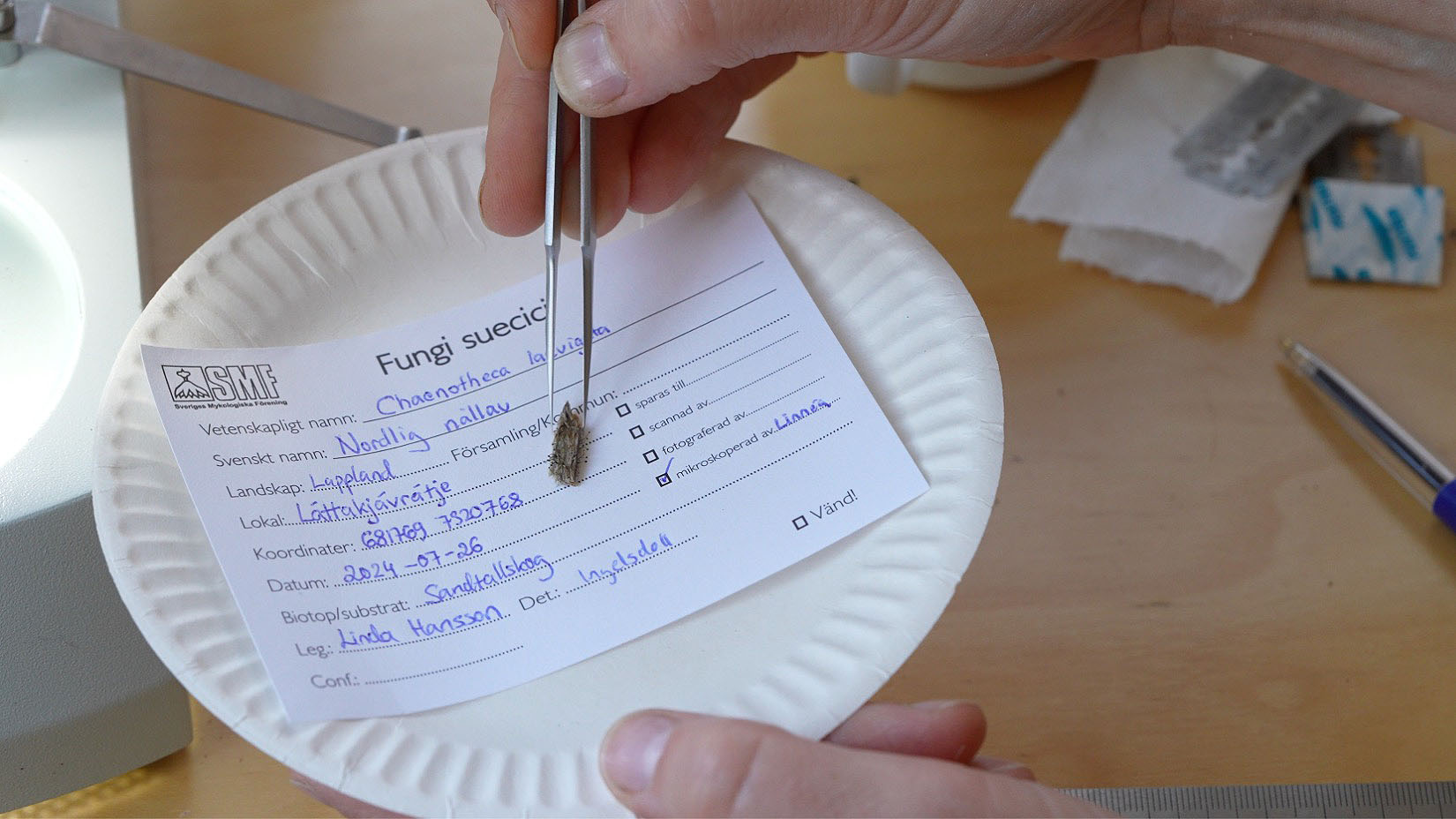
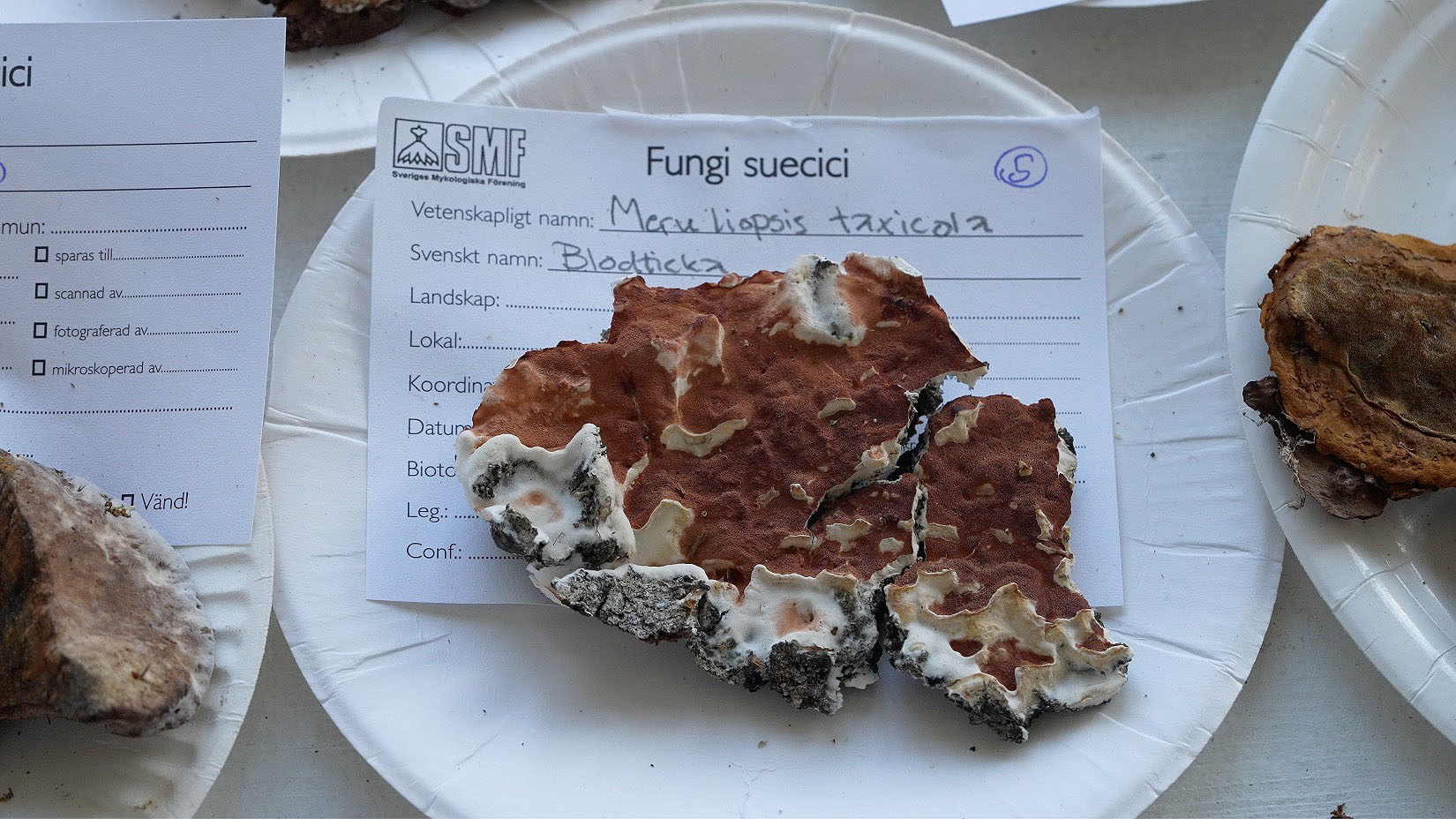
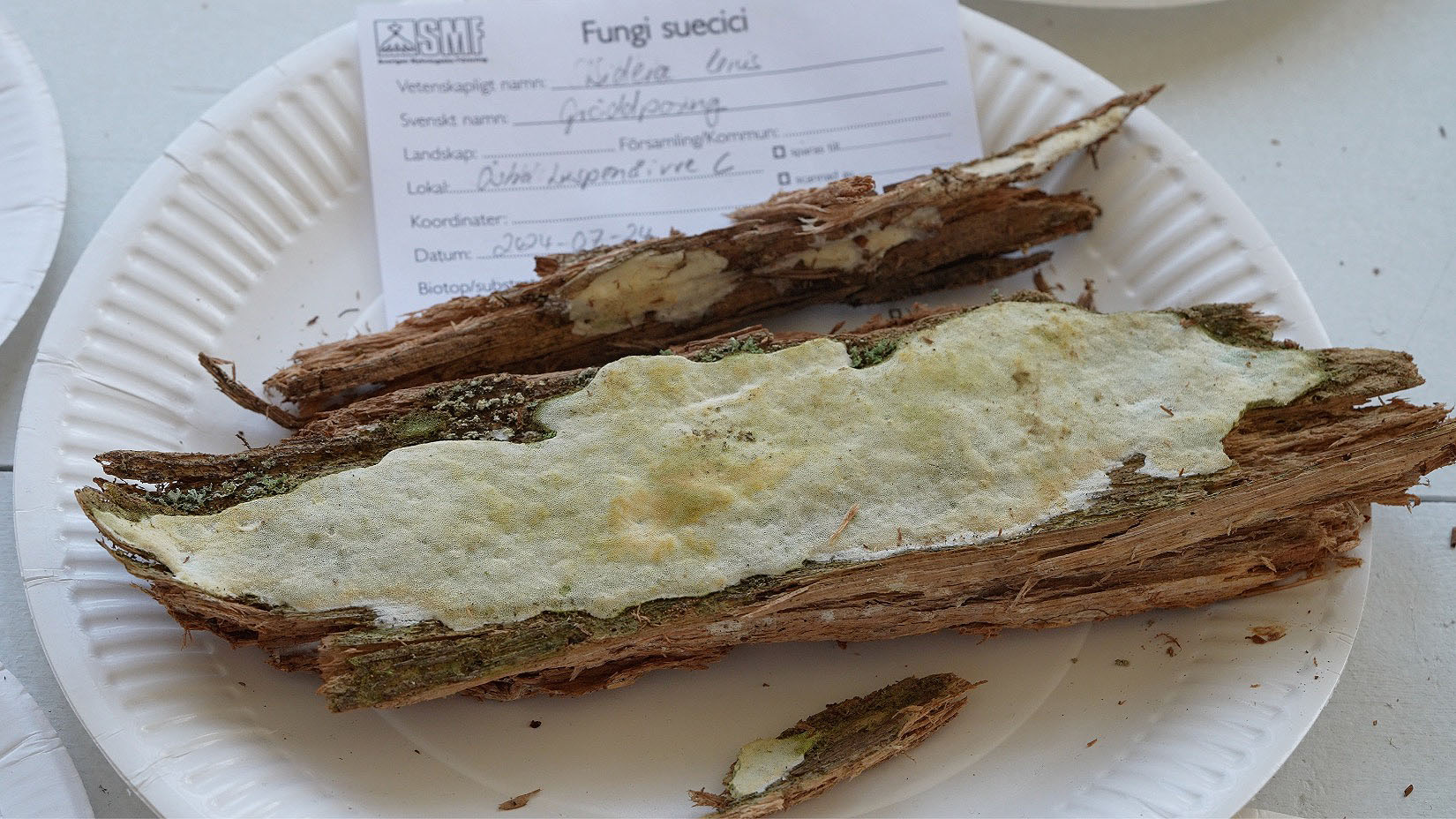
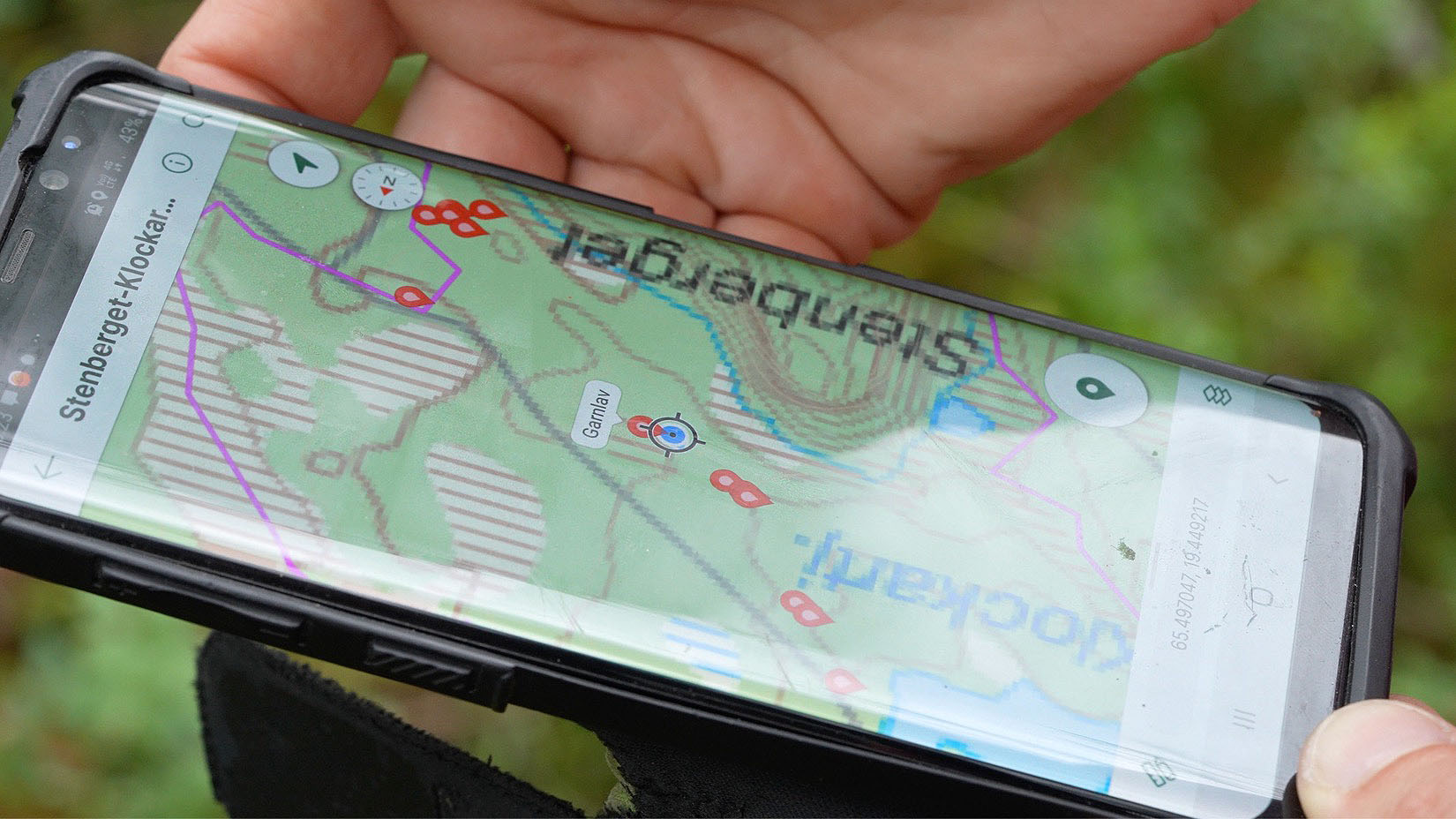
Toxic 'Forest', 2012
–
Exhibitions
From Mars to Venus La Panera, Lleida, 2024-25
En Paisaje | Experiencia | Producción, Museo de Arte Contemporaneo Santiago, Chile 2022
Trafficking the Earth. Museo de Arte Contemporáneo Universidad de Chile, Santiago, 2017
–
Coquimbo Region, Chile and Church House, London, 2014