Mining Photography: The ecological footprint of image production, Gewerbemuseum Winterthur, Switzerland

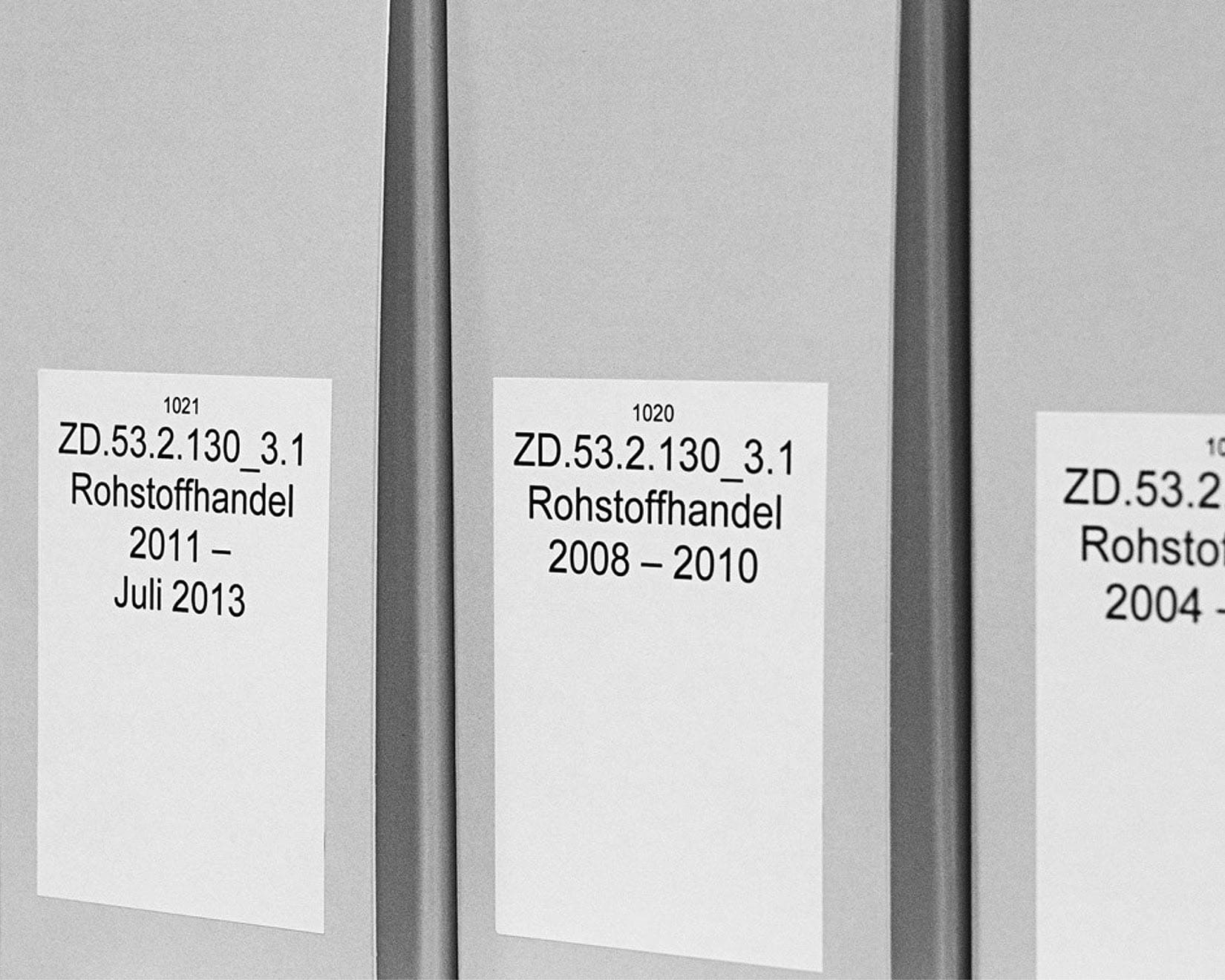
Ever since its invention, photography has relied on the extraction and exploitation of natural resources. In the 19th century these were salt, copper and silver, which were used for the first photographs on copper plates and for salt paper prints. With the advent of gelatin silver prints, the photographic industry became the world’s biggest consumer of silver by the late 20th century, accounting for more than half of global usage.
In the age of digital photography and smartphones, image production requires metals such as coltan and cobalt, as well as those of the rare earths. Furthermore, both storing and distributing images produce large amounts of CO2. “Mining Photography” is dedicated to the material history of the commodities that are of crucial importance to photography, showing how their extraction and disposal are linked with climate change. An exhibition by the Museum für Kunst und Gewerbe Hamburg in collaboration with the Kunst Haus Wien and the Gewerbemuseum Winterthur.
–
External Link