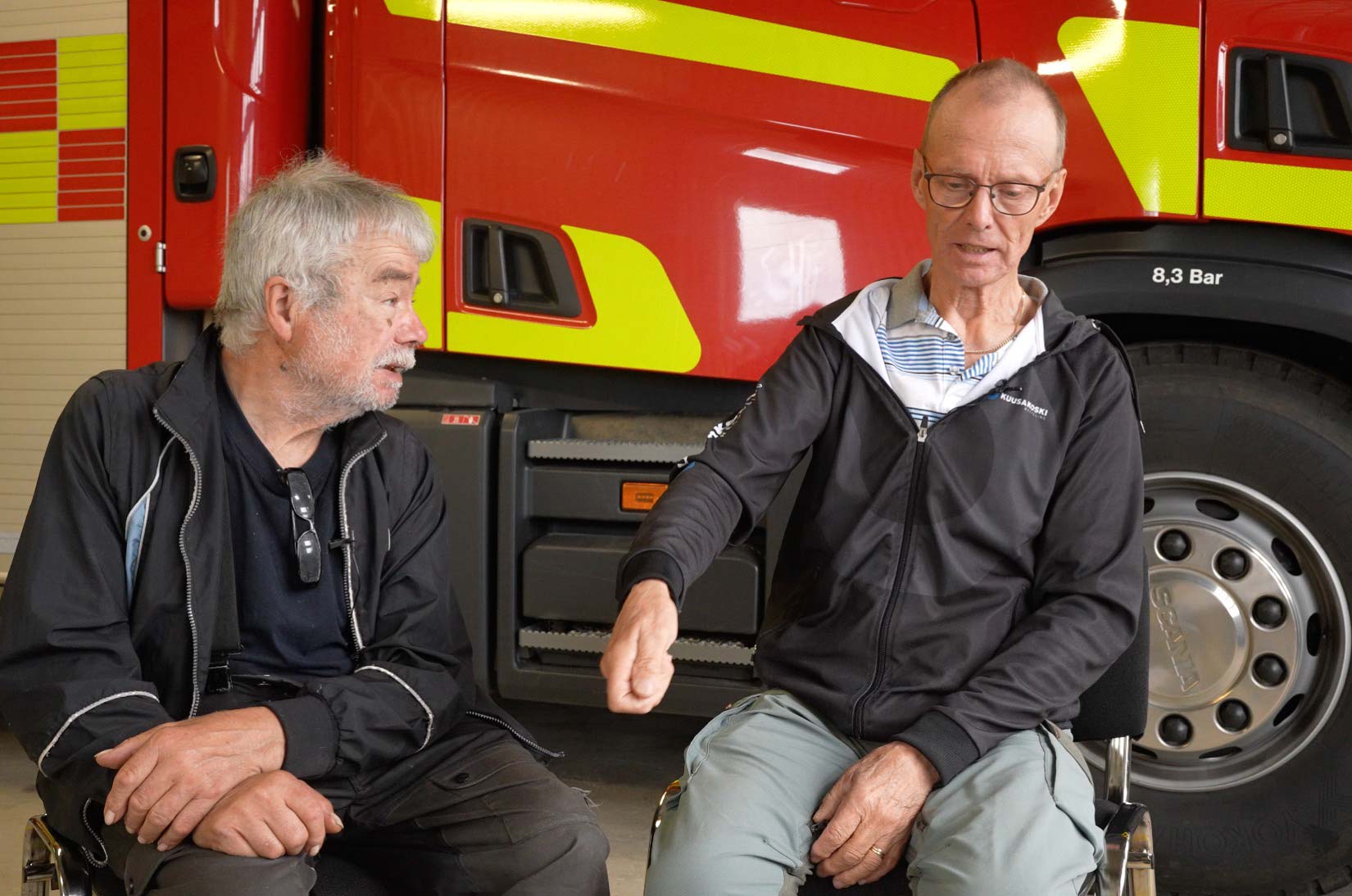
Light for Lichen is a ongoing project that brings reindeer husbandry, conservation burning, and forestry into conversation. It was initiated by Professor of Forest History Lars Östlund and early career researcher and reindeer herder Elle Eriksson (SLU, Umeå) , whose expertise in forest ecology and reindeer husbandry underpins the project. It is developed in collaboration with the Gällivare Forest Sámi community and the forest company Sveaskog AB (Norrbotten).
The reindeer and its ancestral right to co-exist in the boreal forest is the conceptual anchor of the project. Grounded in Sámi traditional knowledge (árbediehtu)—which understands nature, reindeer, and herders as deeply interconnected—the project explores connections between reindeer husbandry, conservation burning, lichen restoration, improved forestry practices, and audiovisual documentation as practices of care that sustain the reindeer’s ability to continue inhabiting and moving through its ancestral territory.
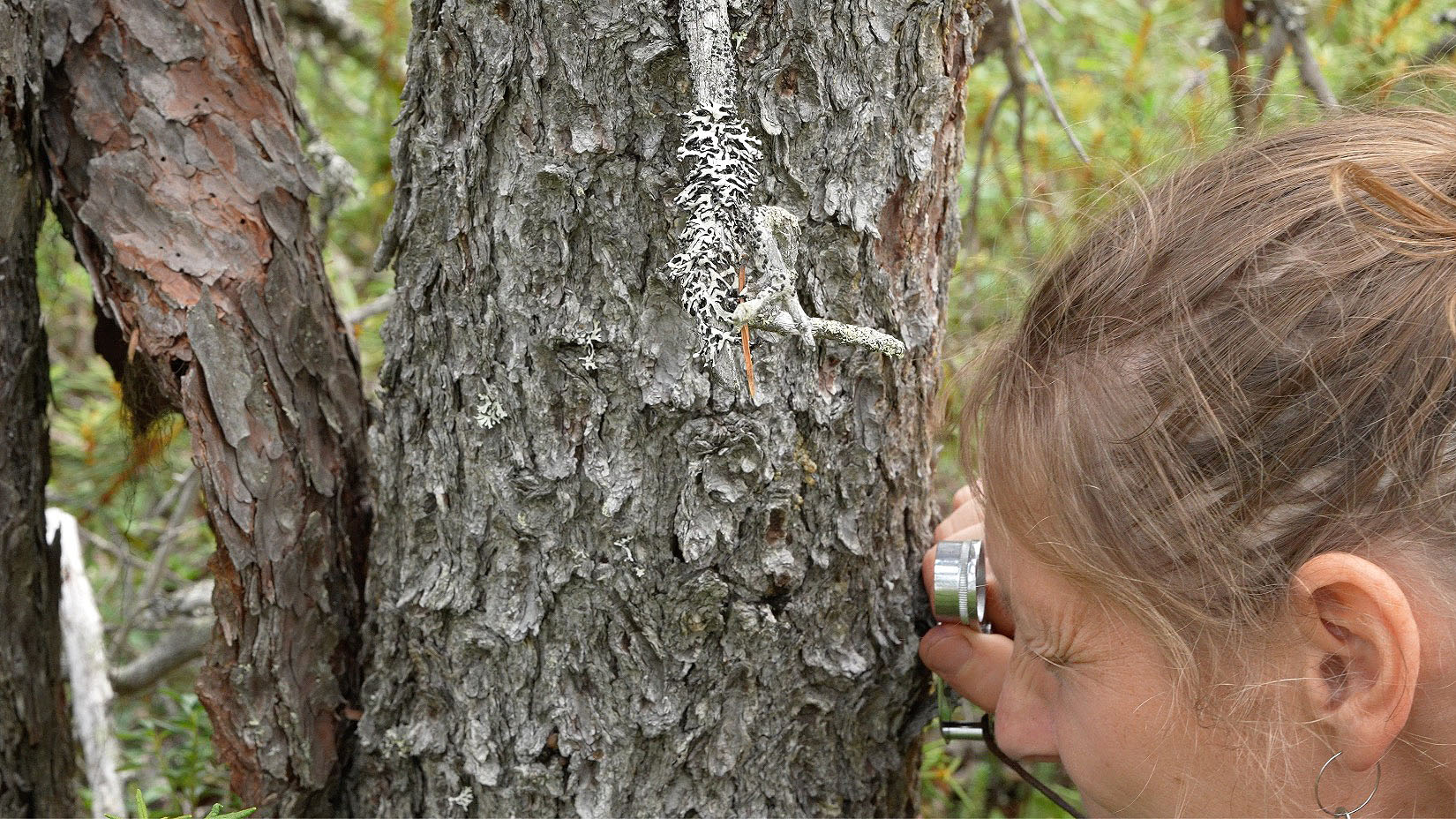
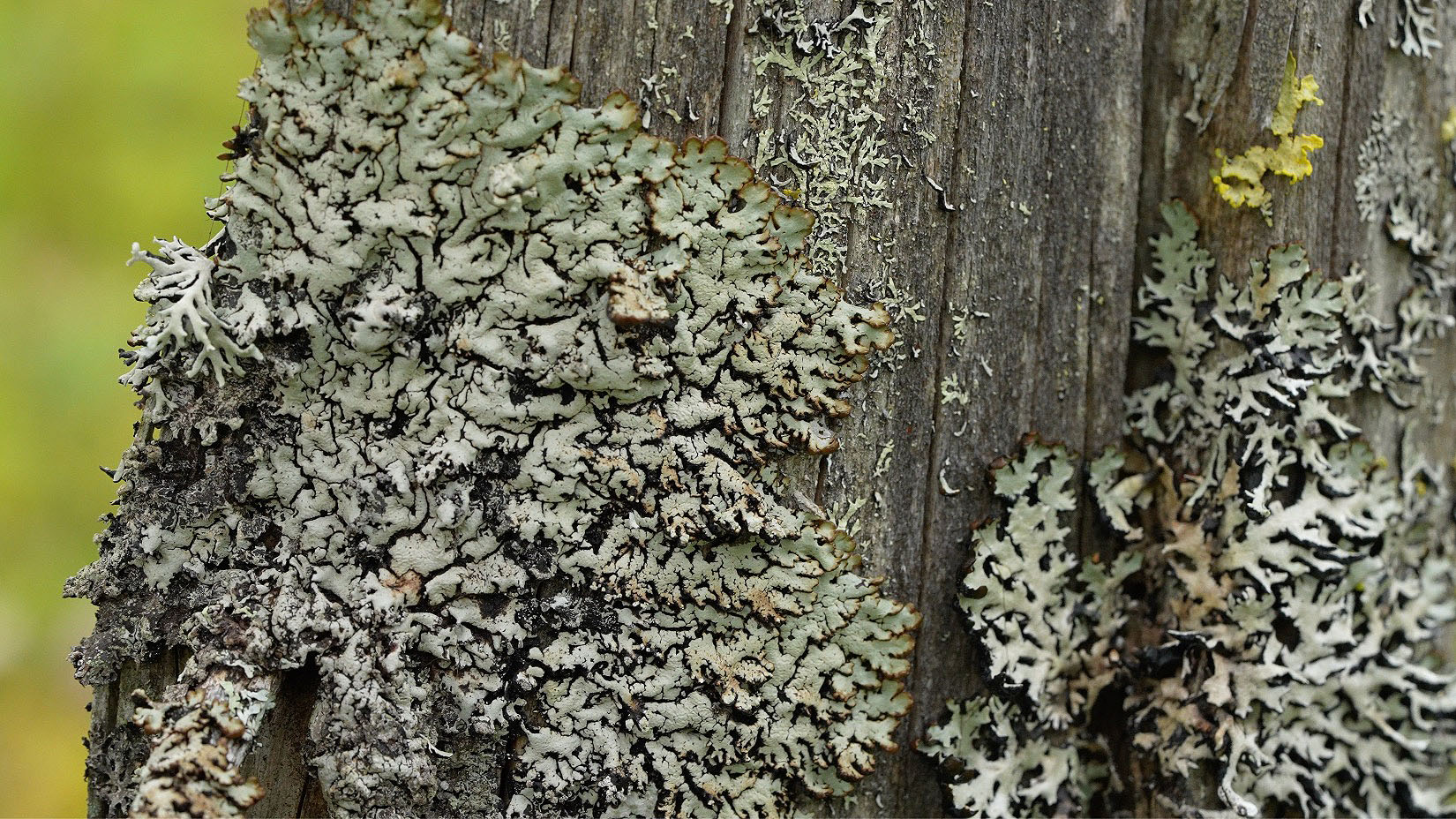
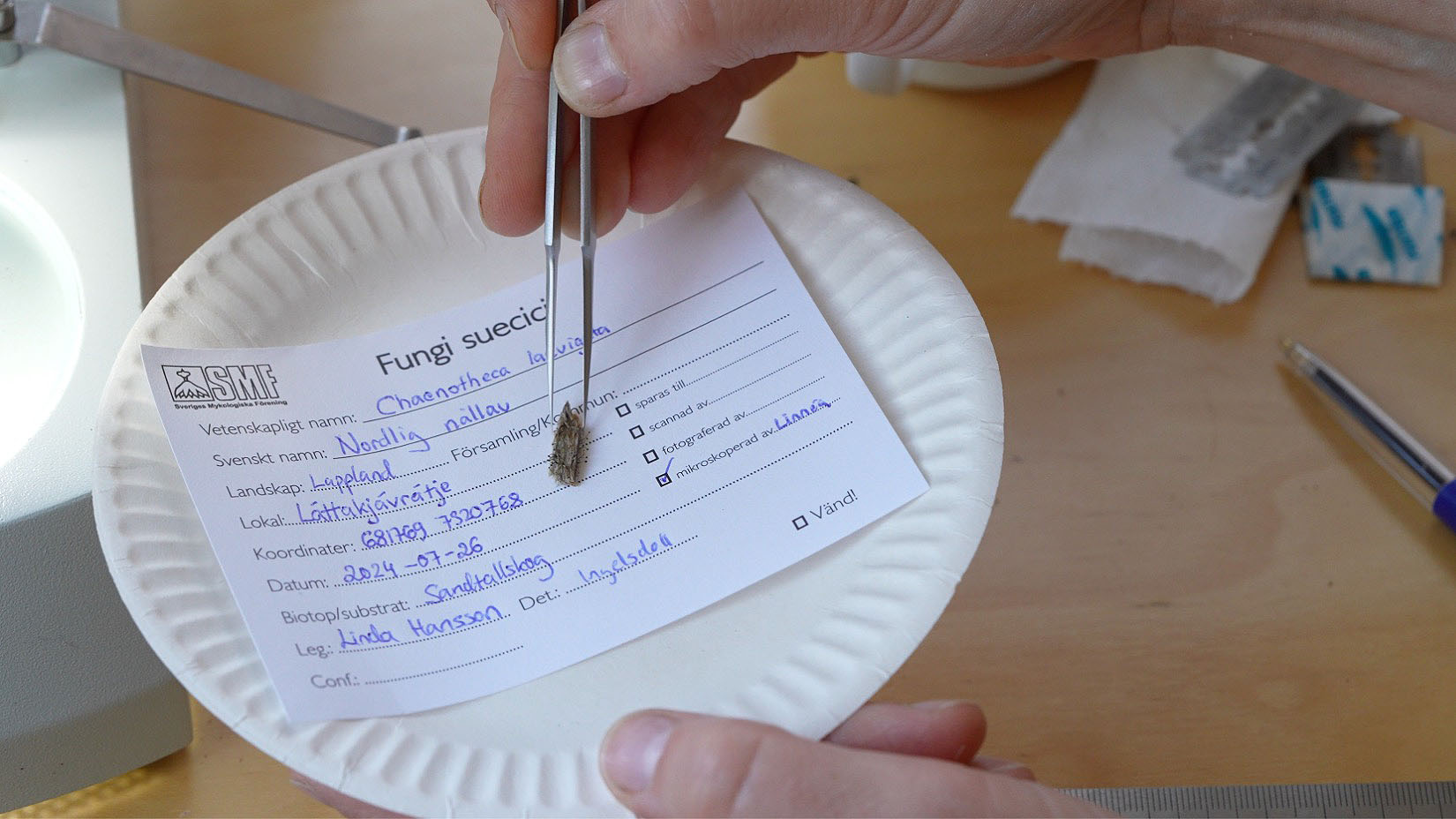
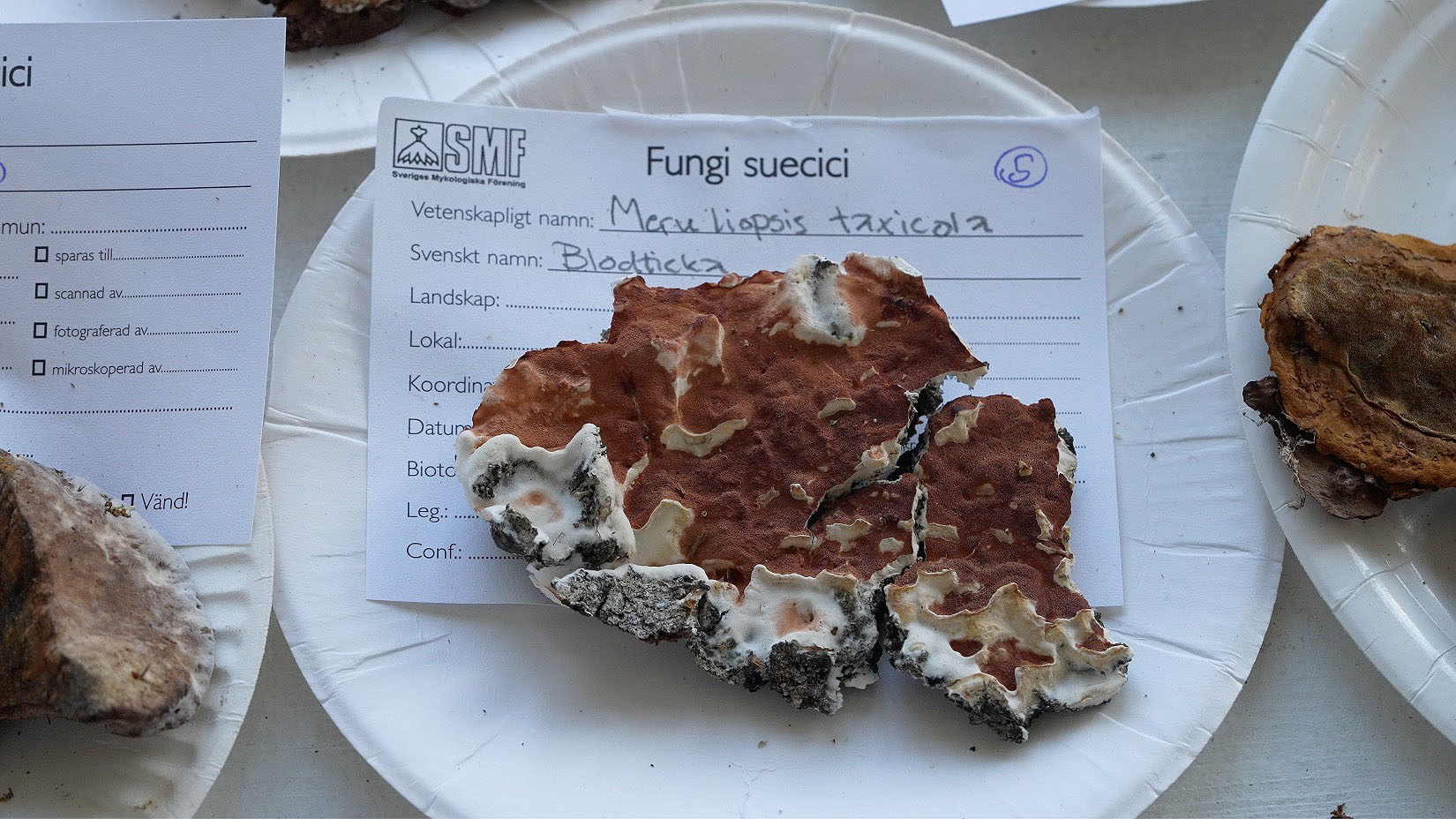
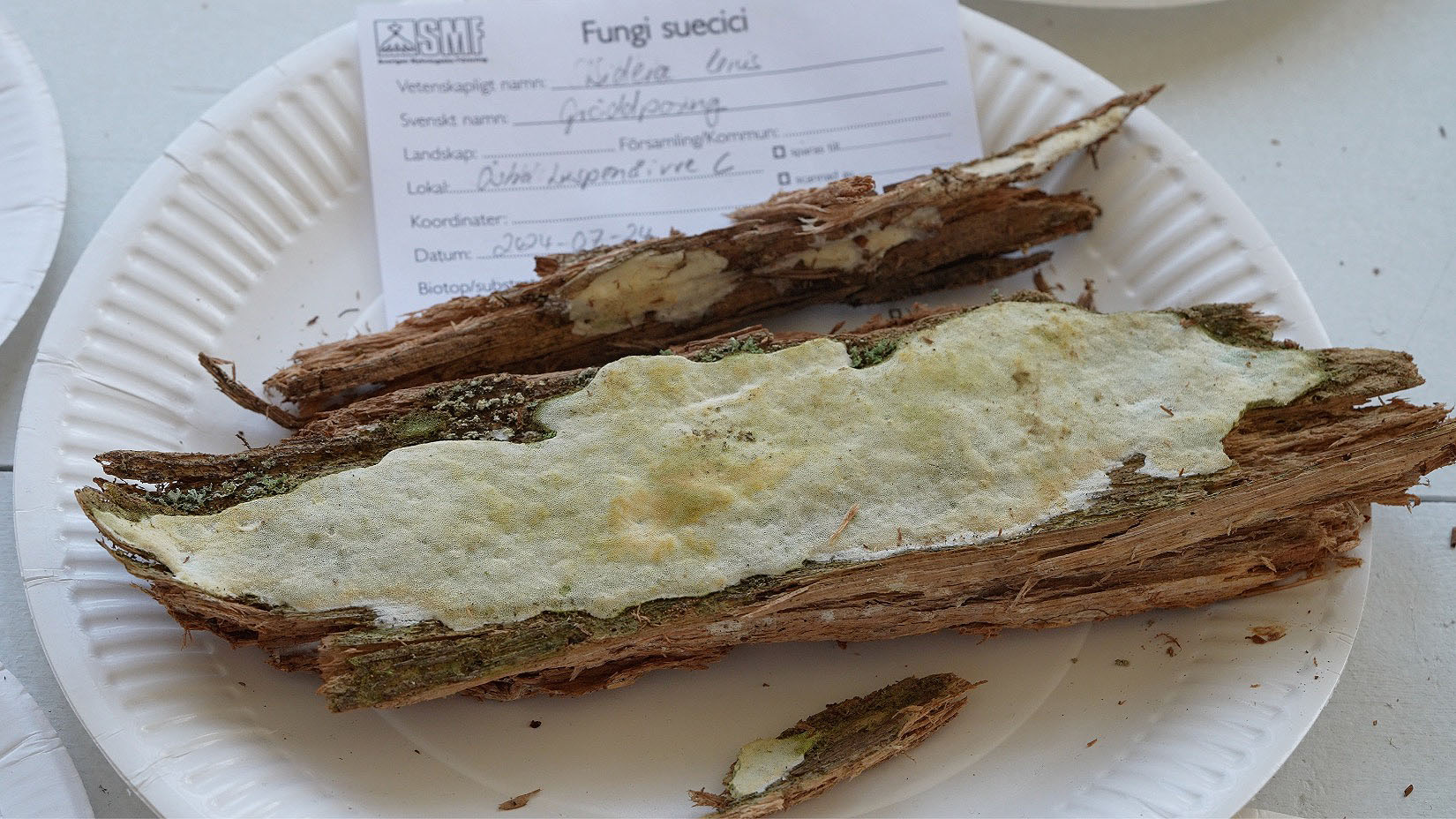
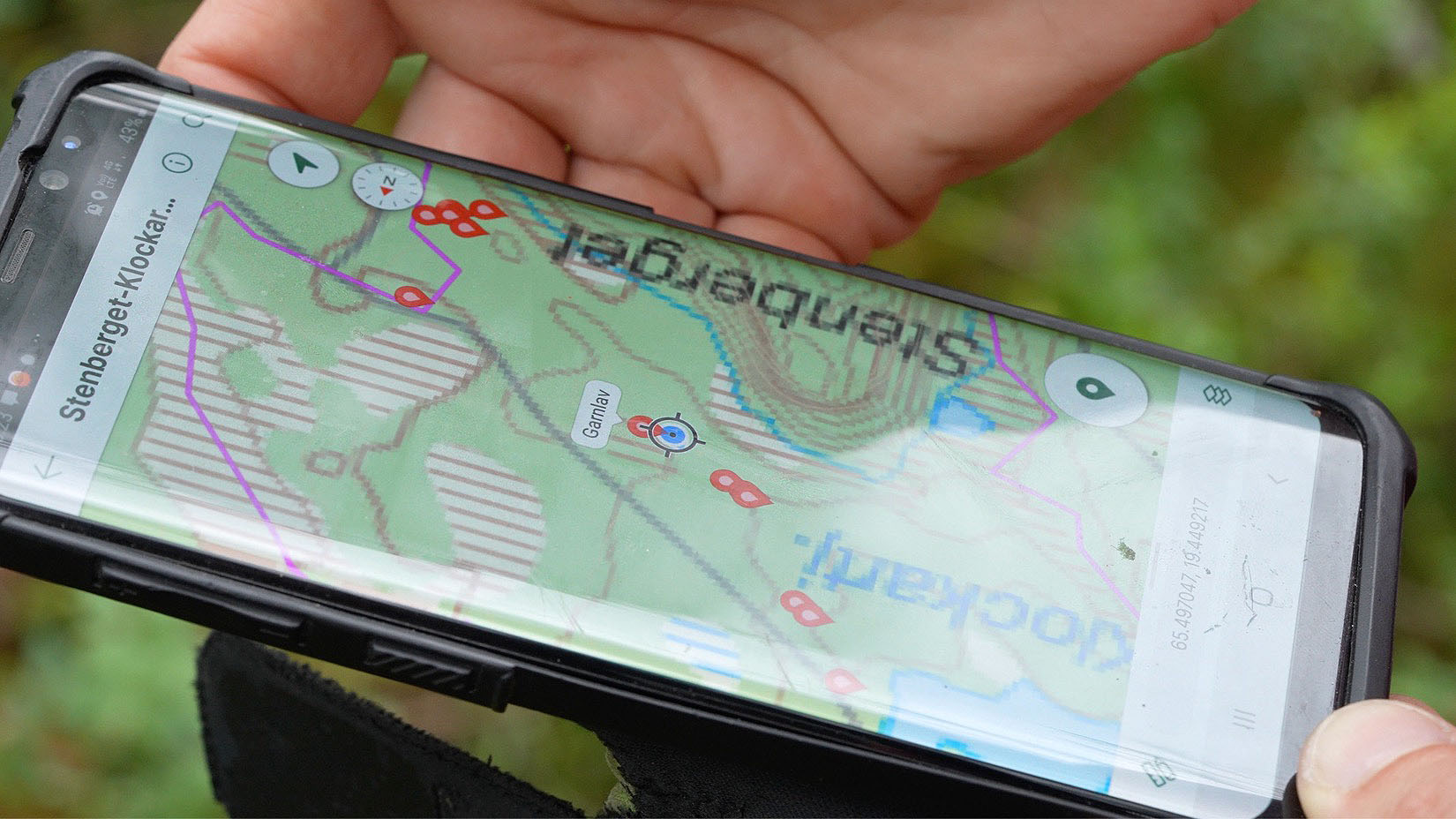
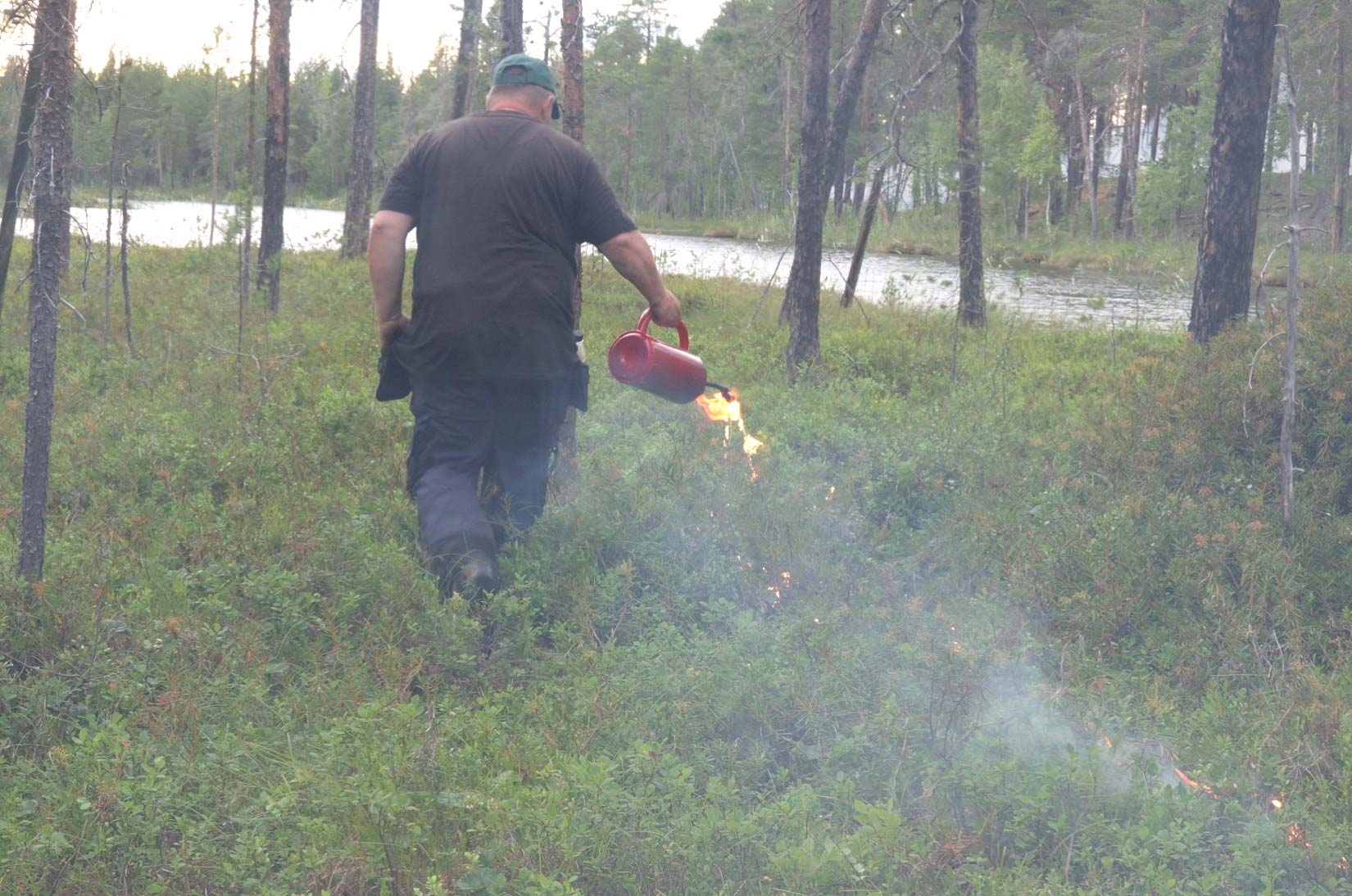
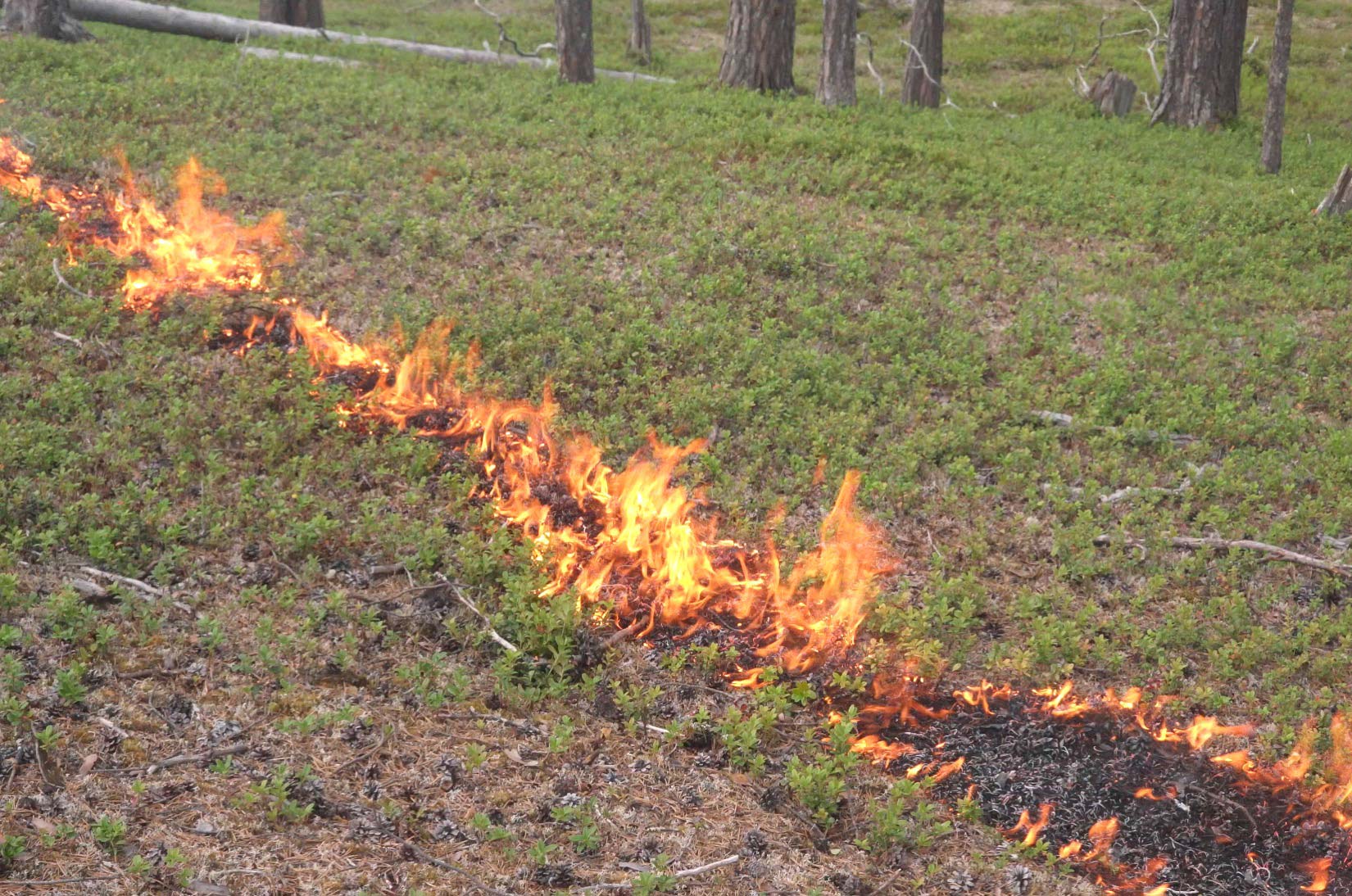
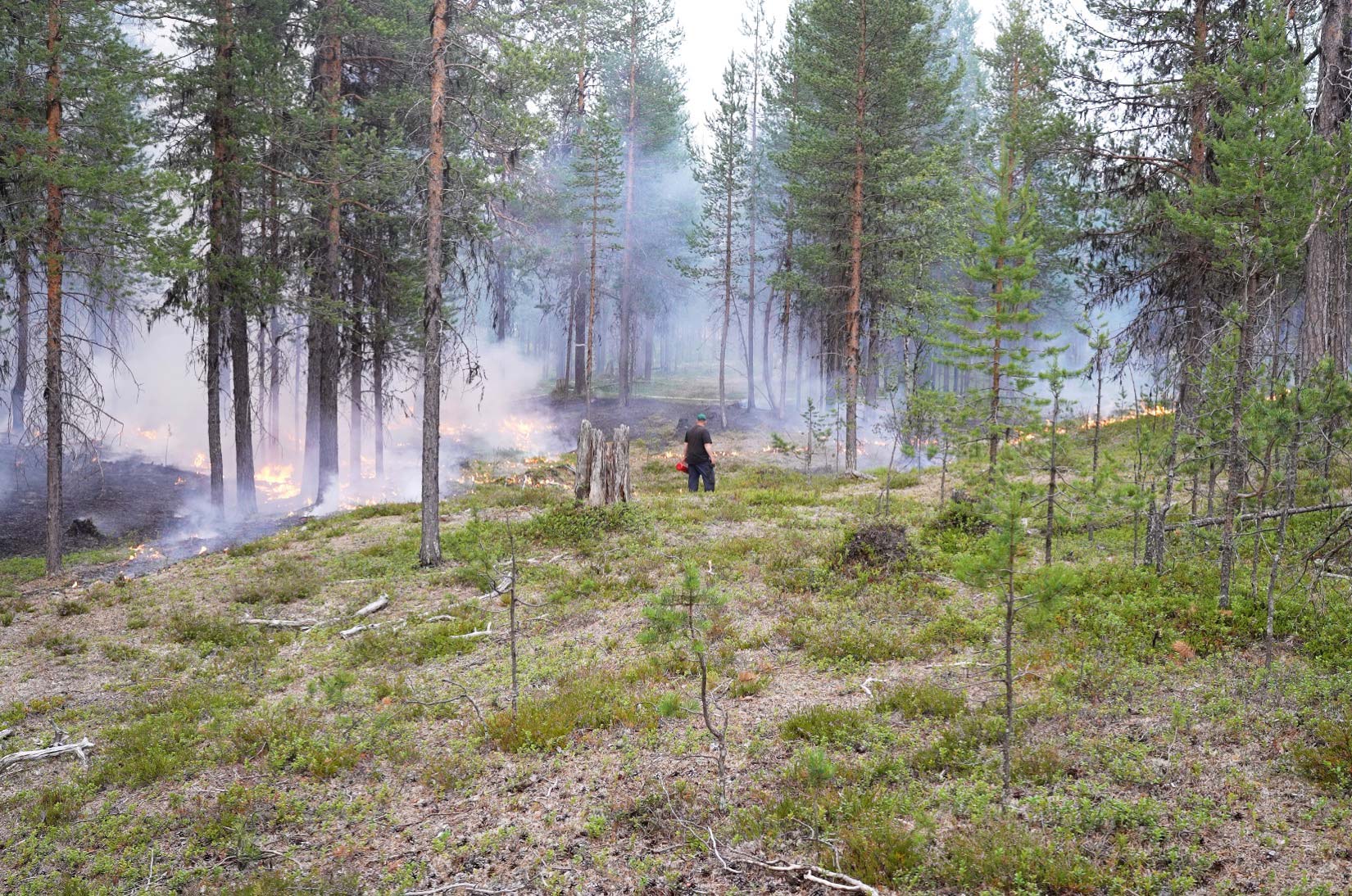
Developed through long-term collaboration with Gällivare skogssameby, the project documents and archives seasonal land-based practices—including calf marking, herd separation, and slaughter—alongside forestry activities such as thinning and conservation burning that aim to restore ground lichen over the long term. These experiences are translated into an immersive audiovisual narrative that communicates their ecological, cultural, and political significance through sensorial experience.
Employing situated artistic methodologies and multimodal forms of documentation, the project creates a platform for dialogue between Sámi land-based knowledge, forest history, and scientific research. In doing so, it demonstrates how artistic practice can support the preservation and transmission of knowledge while communicating practical approaches to forest restoration.
As boreal forests face increasing pressures from industrial forestry and climate change, the project highlights the urgency of documenting, sustaining, and sharing the knowledge and practices that enable the long-term coexistence of reindeer, people, and forest ecosystems.
–
–
Overkalix Municipality, Swedish Sábme, 2025-
Light for Lichen is a ongoing project that brings reindeer husbandry, conservation burning, and forestry into conversation. It was initiated by Professor of Forest History Lars Östlund and early career researcher and reindeer herder Elle Eriksson (SLU, Umeå) , whose expertise in forest ecology and reindeer husbandry underpins the project. It is developed in collaboration […]
Light for LichenLight for Lichen is a ongoing project that brings reindeer husbandry, conservation burning, and forestry into conversation. It was initiated by Professor of Forest History Lars Östlund and early career researcher and reindeer herder Elle Eriksson (SLU, Umeå) , whose expertise in forest ecology and reindeer husbandry underpins the project. It is developed in collaboration with the Gällivare Forest Sámi community and the forest company Sveaskog AB (Norrbotten).
The reindeer and its ancestral right to co-exist in the boreal forest is the conceptual anchor of the project. Grounded in Sámi traditional knowledge (árbediehtu)—which understands nature, reindeer, and herders as deeply interconnected—the project explores connections between reindeer husbandry, conservation burning, lichen restoration, improved forestry practices, and audiovisual documentation as practices of care that sustain the reindeer’s ability to continue inhabiting and moving through its ancestral territory.
Developed through long-term collaboration with Gällivare skogssameby, the project documents and archives seasonal land-based practices—including calf marking, herd separation, and slaughter—alongside forestry activities such as thinning and conservation burning that aim to restore ground lichen over the long term. These experiences are translated into an immersive audiovisual narrative that communicates their ecological, cultural, and political significance through sensorial experience.
Employing situated artistic methodologies and multimodal forms of documentation, the project creates a platform for dialogue between Sámi land-based knowledge, forest history, and scientific research. In doing so, it demonstrates how artistic practice can support the preservation and transmission of knowledge while communicating practical approaches to forest restoration.
As boreal forests face increasing pressures from industrial forestry and climate change, the project highlights the urgency of documenting, sustaining, and sharing the knowledge and practices that enable the long-term coexistence of reindeer, people, and forest ecosystems.
–
–
Overkalix Municipality, Swedish Sábme, 2025-
Light for Lichen is a ongoing project that brings reindeer husbandry, conservation burning, and forestry into conversation. It was initiated by Professor of Forest History Lars Östlund and early career researcher and reindeer herder Elle Eriksson (SLU, Umeå) , whose expertise in forest ecology and reindeer husbandry underpins the project. It is developed in collaboration […]
Myggholken (Mosquito Nest)Myggholken [Mosquito Nest]— is an antiquarian bookshop and meeting place that opened in 2011 by Elizabeth Johansson (1955–) and her late husband—the activist, poet and photographer Leif Öhman (1951–2022). The bookshop became an important meeting place for the grassroots organisation Gruvfritt Jokkmokk [Mine-Free Jåhkåmåhkke] between 2013–2019 yet subsequently remained closed to the public for several years due to illness.
In 2017, during the research process of Litte ja Goabddá (2018), I conducted an interview at Myggholkens väntrum with Elizabeth Johansson, Leif Öhman and Sámi Yoiker Lars Guttorm Blind (1945–2019). They narrated the anxiety the mining project posed to the local and Sámi community.
In May 2024, Acosta met Elizabeth for a coffee to understand how the Gállok fight for self-determination connects to land-based struggles stemming from Sweden’s forestry model. That same day, he started cleaning and re-organising the bookshop as a volunteer The Myggoholken has transformed his practive both as methodological framework .
Myggholken connects the history of resistance against Gállok with the current fight to protect the last remaining boreal forests. Together with Elizabeth, we shifted the strong political focus of the collection towards a lighter and more inclusive book display. This began by removing all books that “other”, such as colonial and ethnographic books. Instead, priority has been given to local, Sámi and ecological perspectives.
Myggholken welcomes visitors, including groups and delegations from both Sámi and non-Sámi communities, and we have organized art exhibitions focused on old-growth forests, such as Trees Are Our Parents (2024) by artist Marietta Mamia, and Vuovdek: We Live Among Trees (2025) by Nina Nordvall Vahlberg Myggholken is an inclusive space for knowledge exchange and storytelling around a cup of free coffee. We participate in Regnbågsveckan Jokkmokk [Jokkmokk Rainbow Week], a local LGBTQ+ Pride festival and cultural event held in Jokkmokk since 2024.
–
Myggholken [Mosquito Nest]— is an antiquarian bookshop and meeting place that opened in 2011 by Elizabeth Johansson (1955–) and her late husband—the activist, poet and photographer Leif Öhman (1951–2022). The bookshop became an important meeting place for the grassroots organisation Gruvfritt Jokkmokk [Mine-Free Jåhkåmåhkke] between 2013–2019 yet subsequently remained closed to the public for several […]
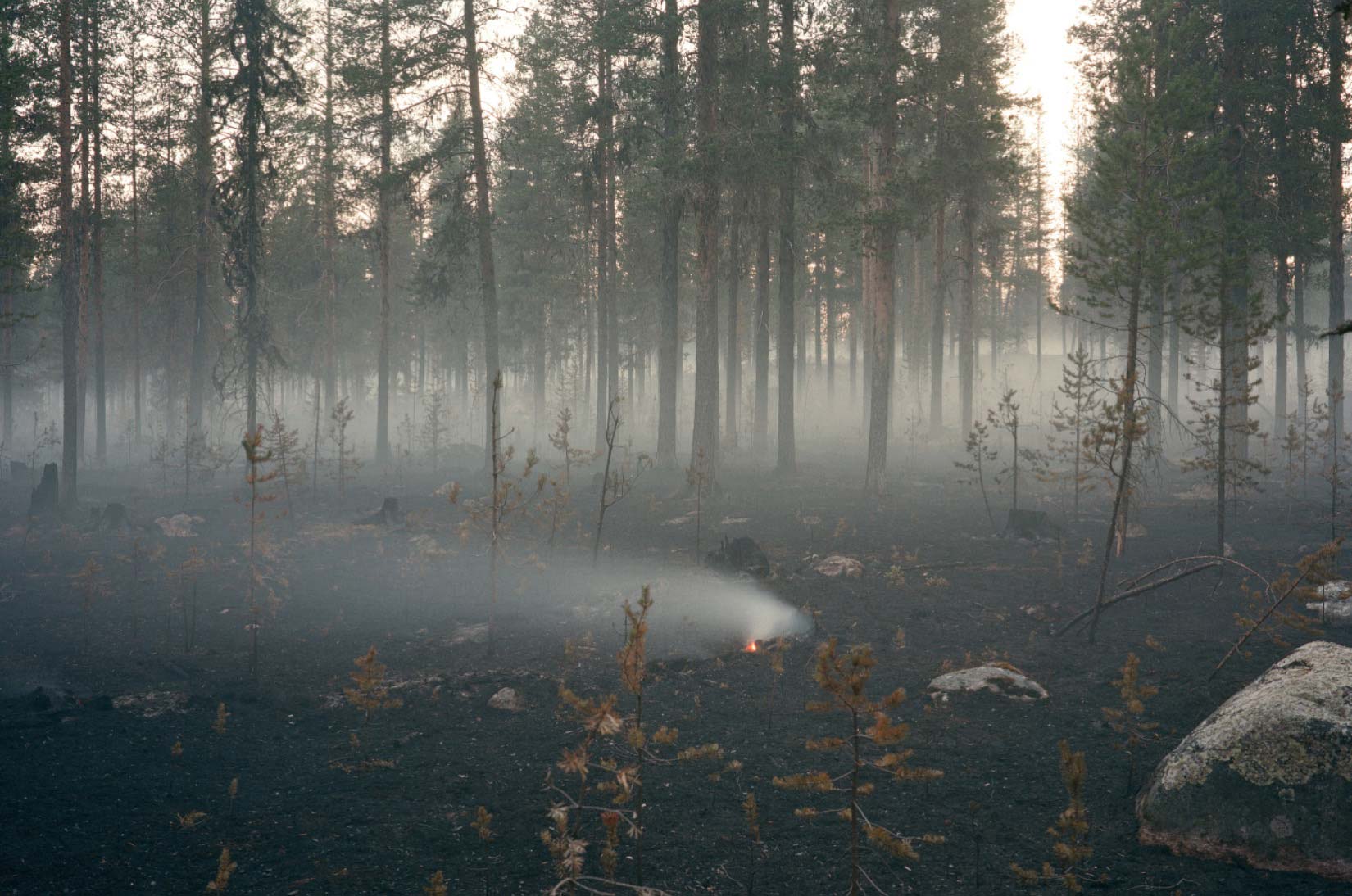
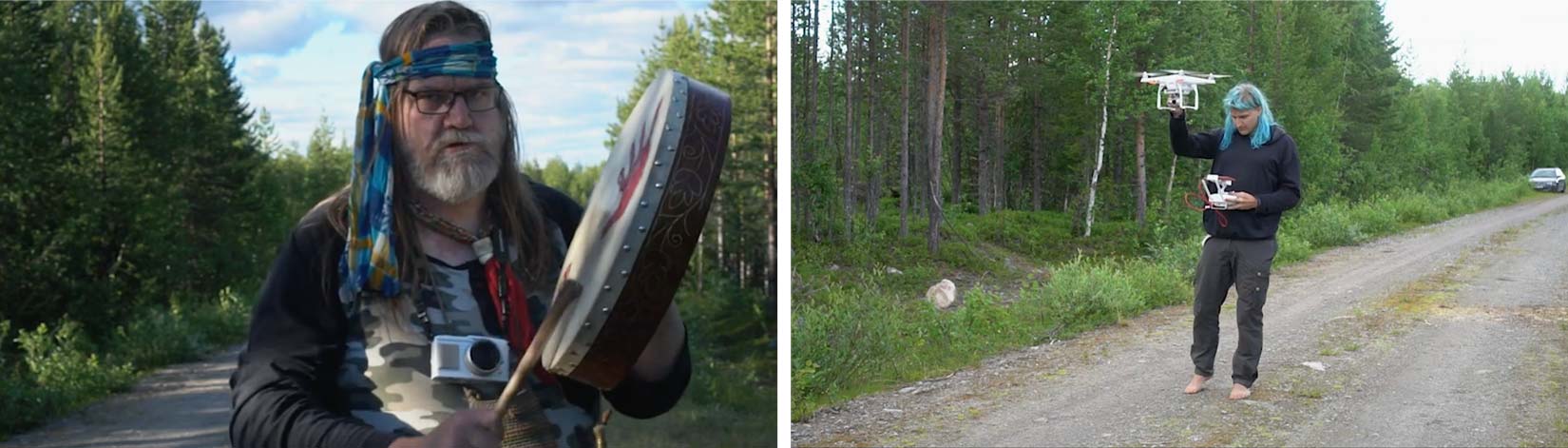
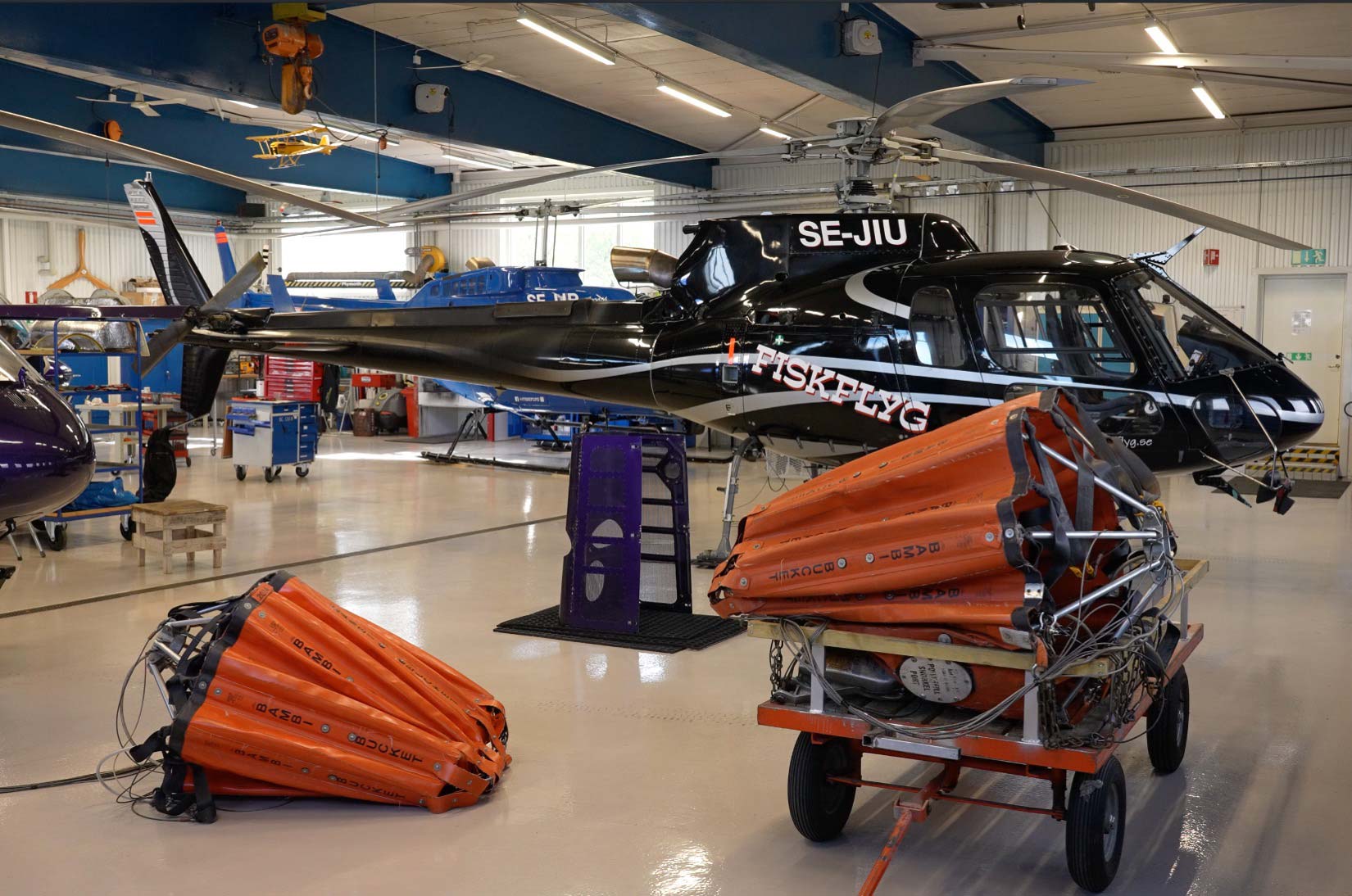
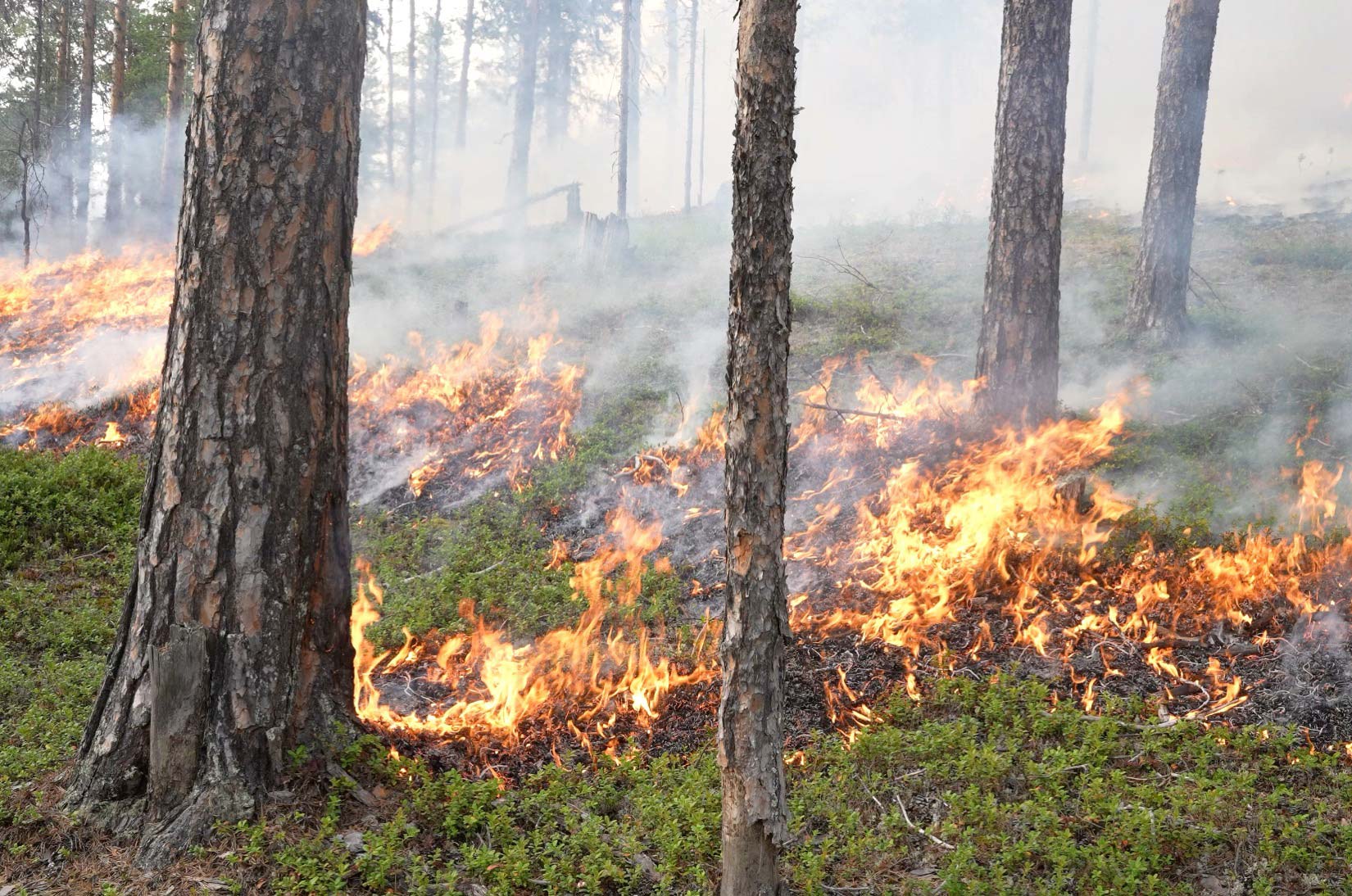
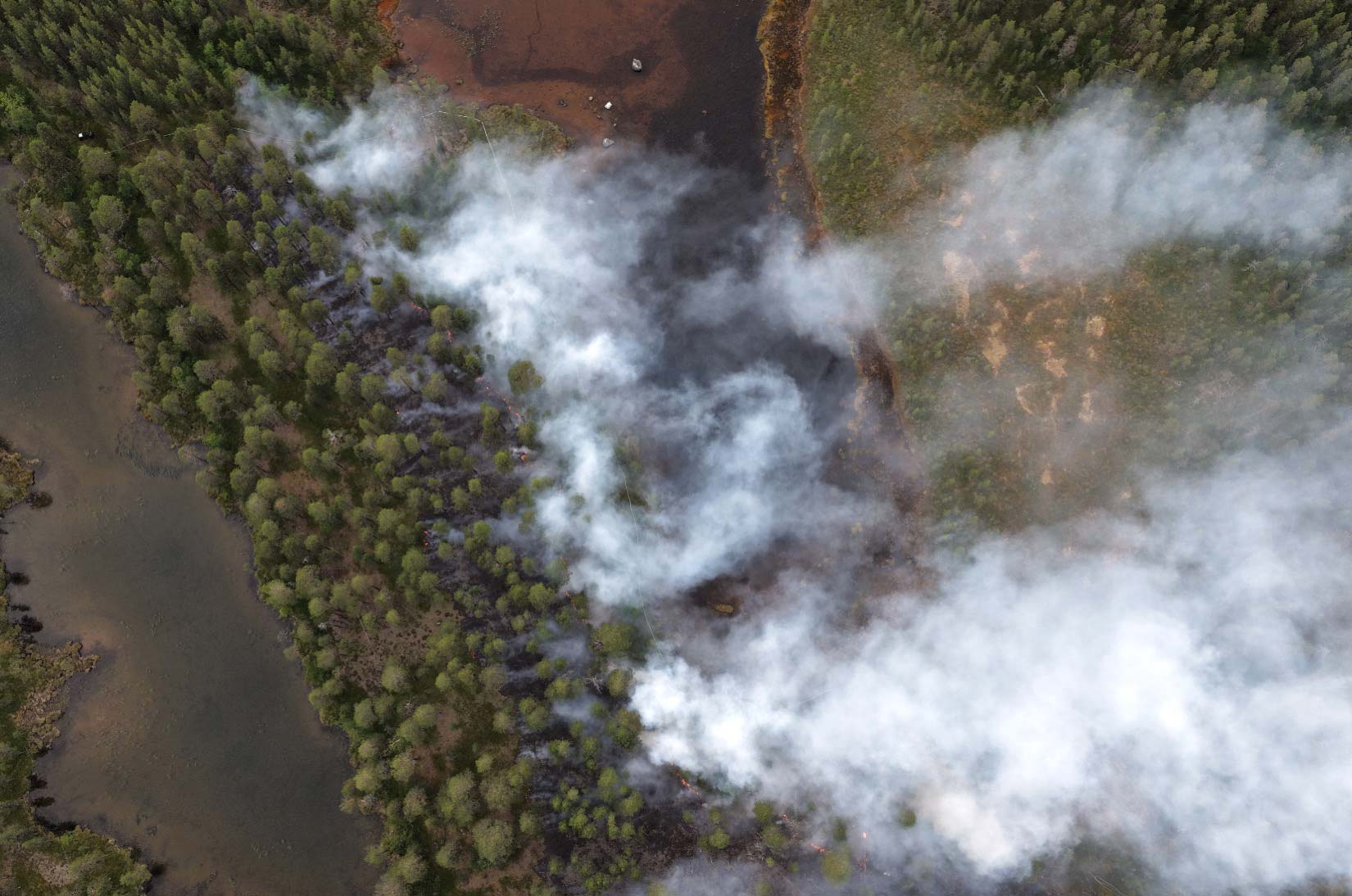
Forests and FiresIn the summer of 2018, Sweden experienced most severe wildfire season in modern history. The Norrbotten County was one of the most seriously affected areas. While today forest fires are predominantly seen as a symptom of anthropogenic climate change, seasonal fire management has been part of traditional Indigenous land stewardship for thousands of years. During this time, Acosta participated in the firefighting activities and documented them with photos and short videos. Thiis led to the making of the co-authored video Forest & Fires (Acosta & Nilsen, 2019), in which an elder from a Sámi forest area narrated how their community helped to fight a wildfire in the summer of 1959. This elder was interviewed at the very site of the wildfire and spoke about the Old-Forest People who fought the blaze with a deep understanding of the territory using knowledge acquired during controlled fires conducted after logging and before replanting
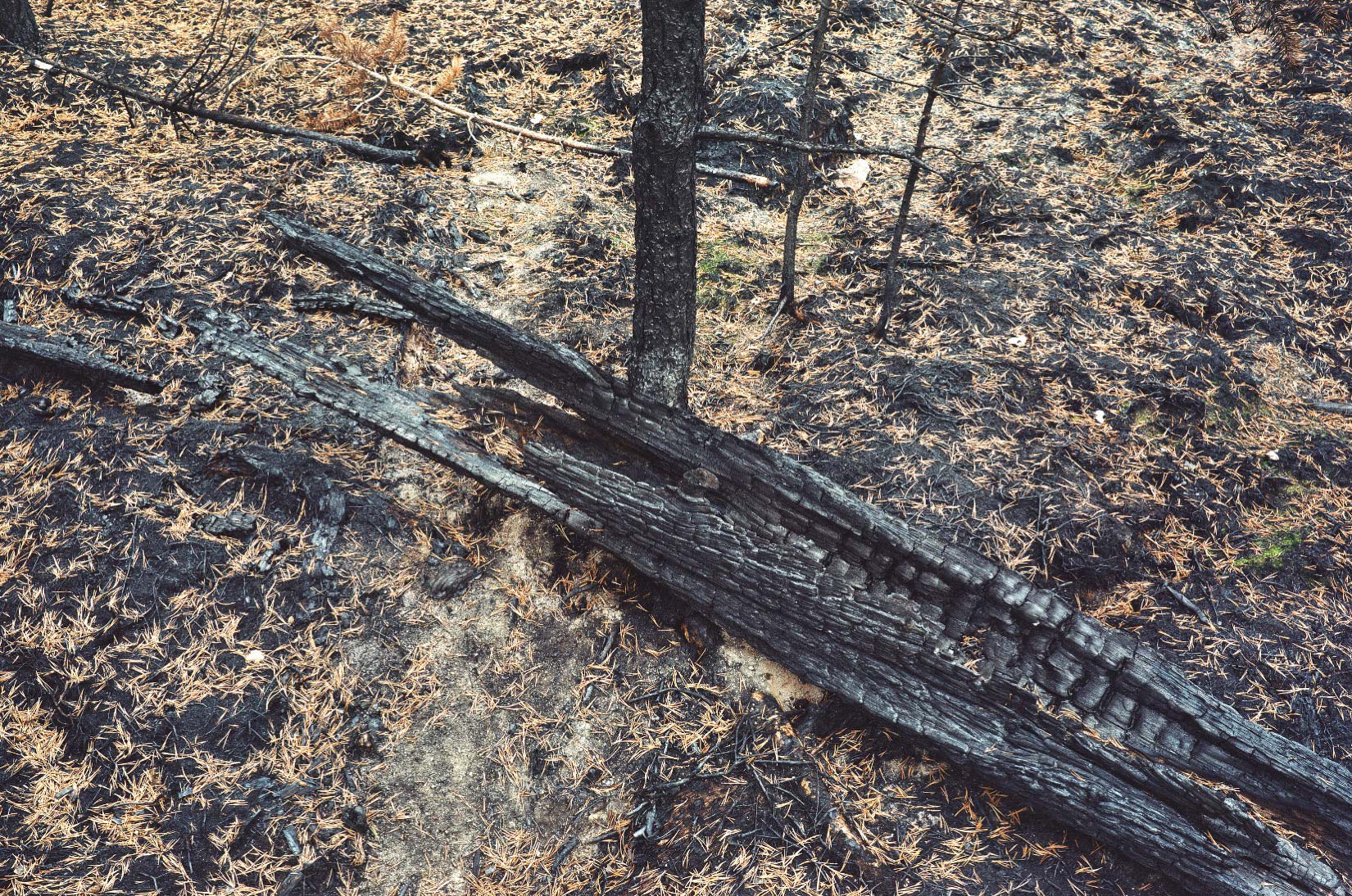
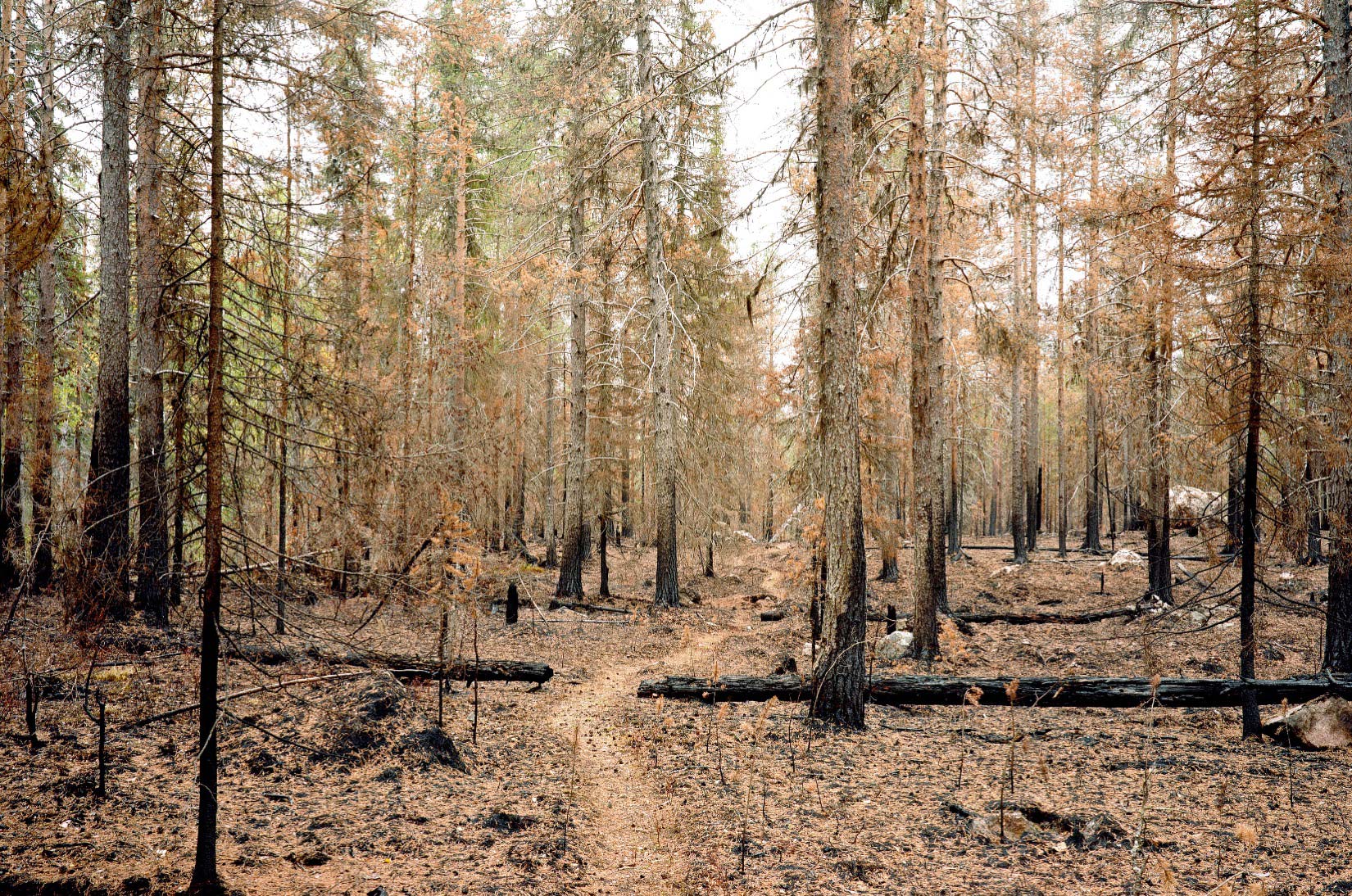
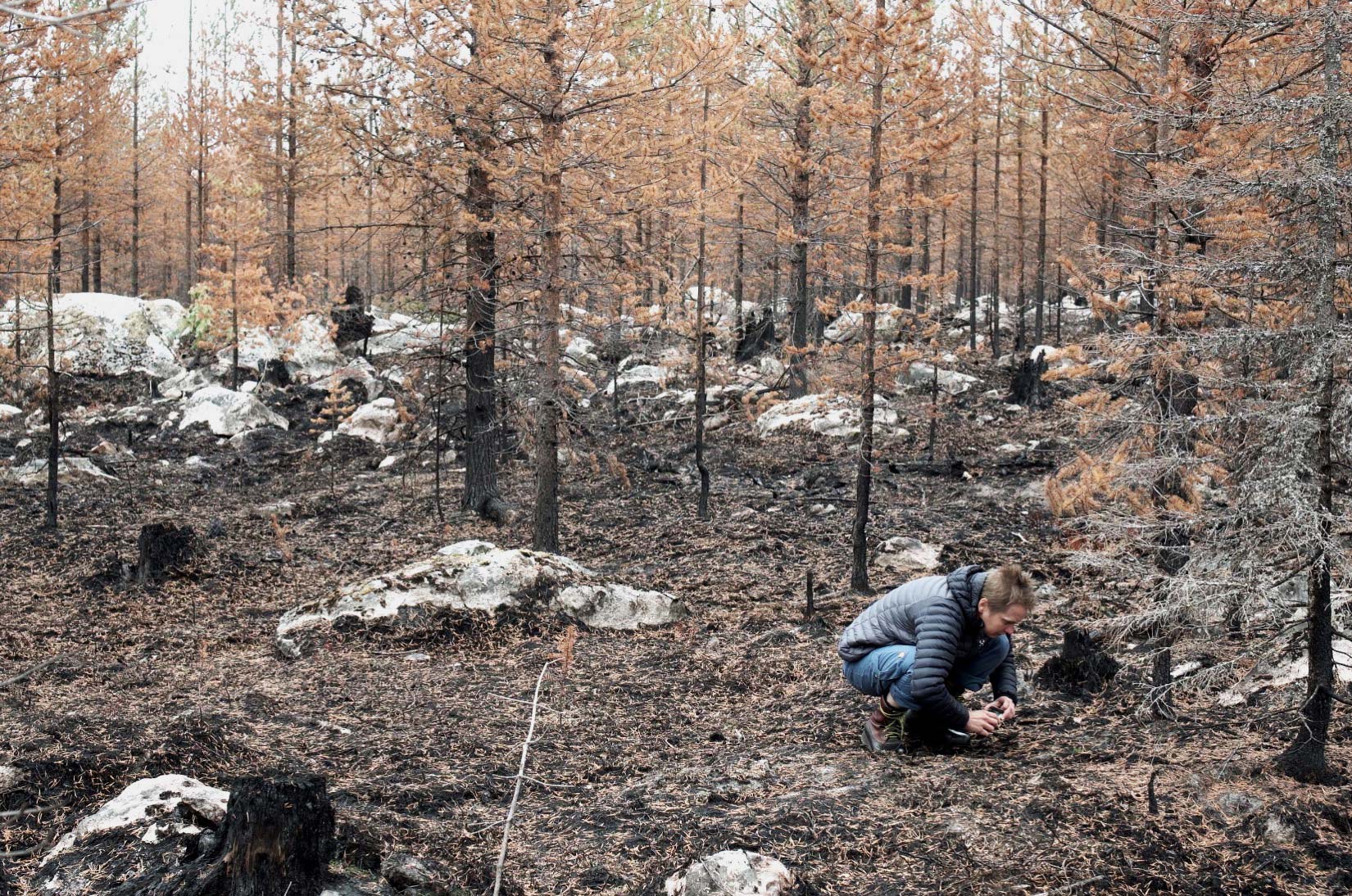
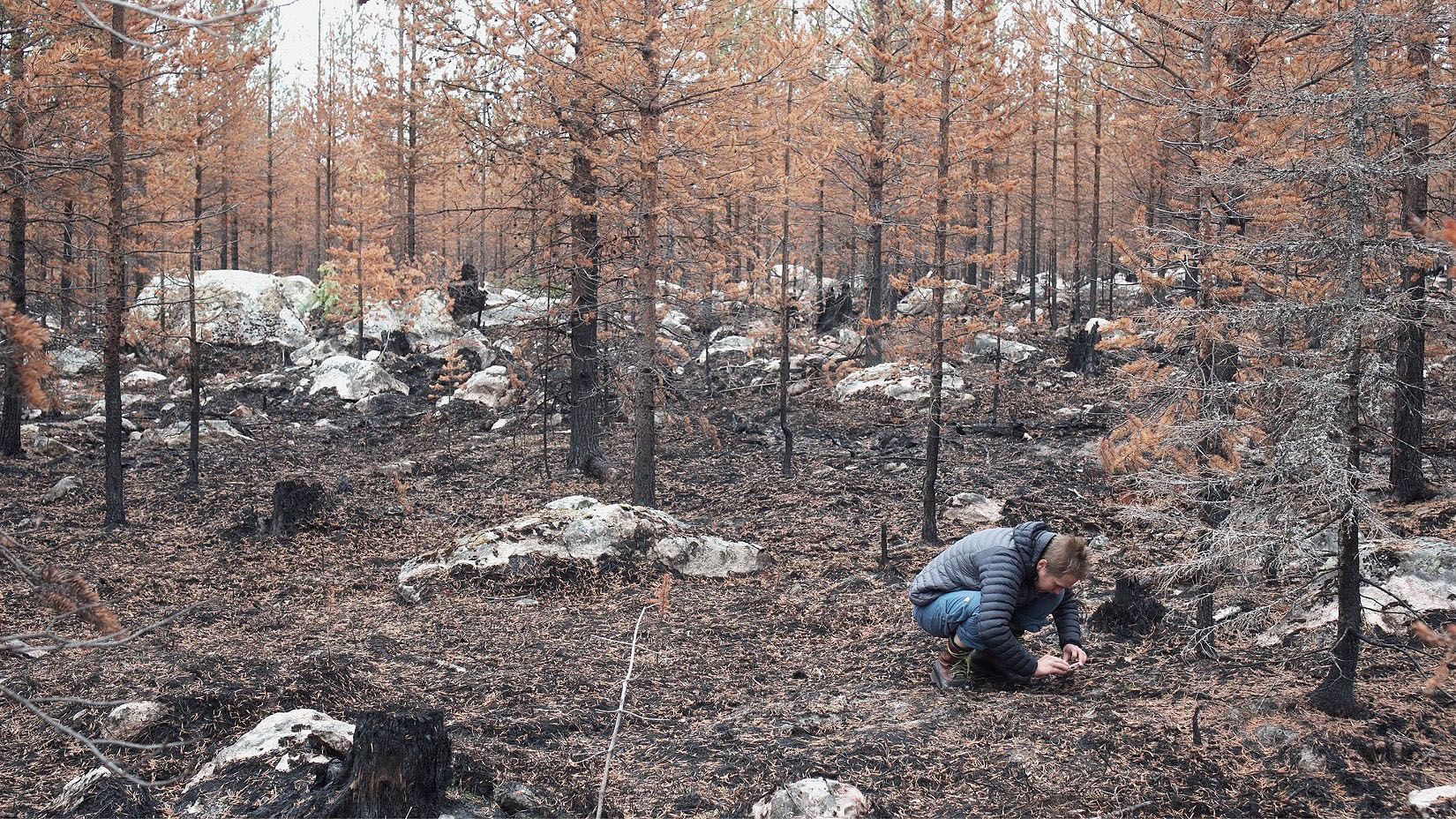
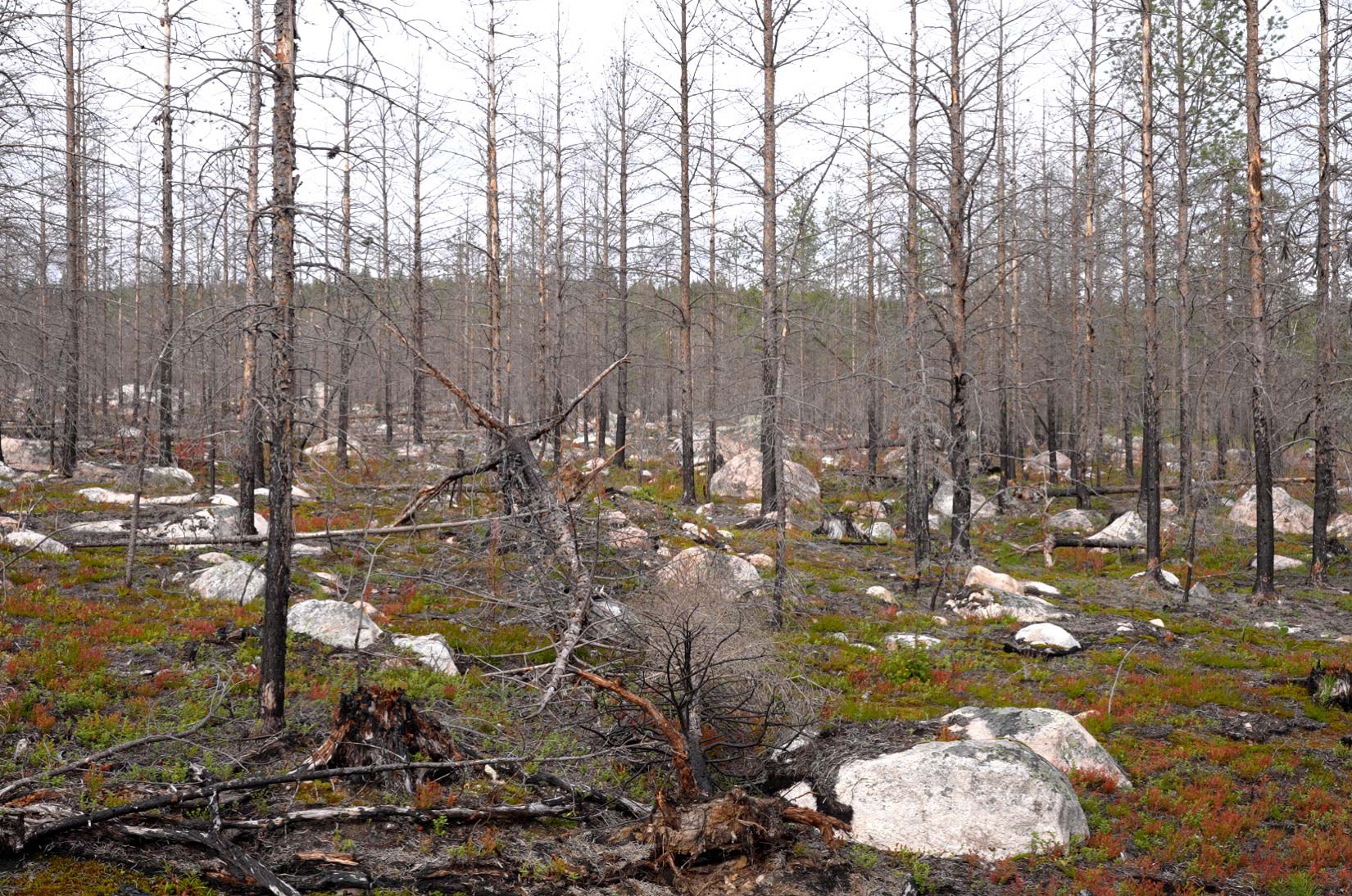
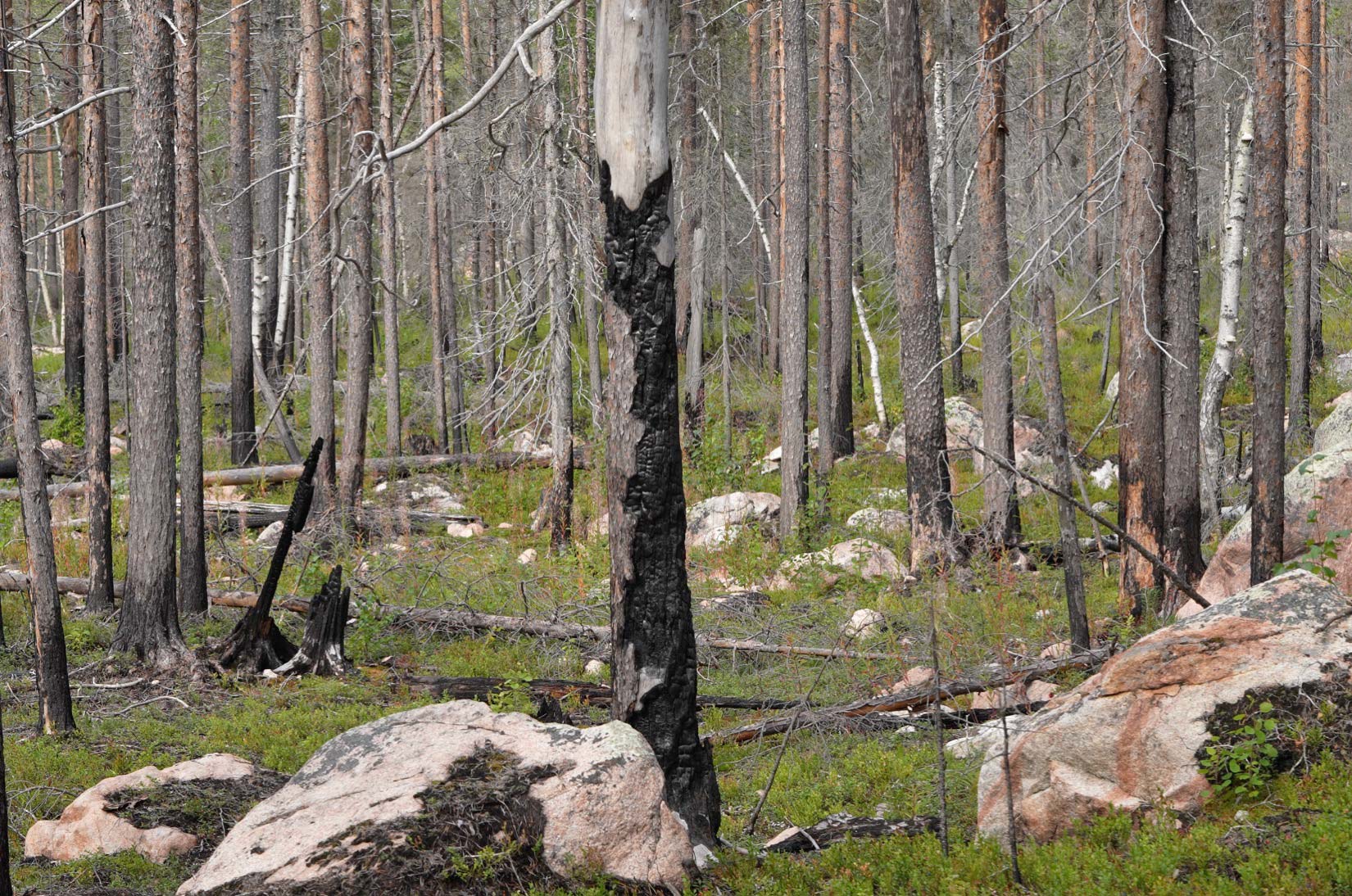
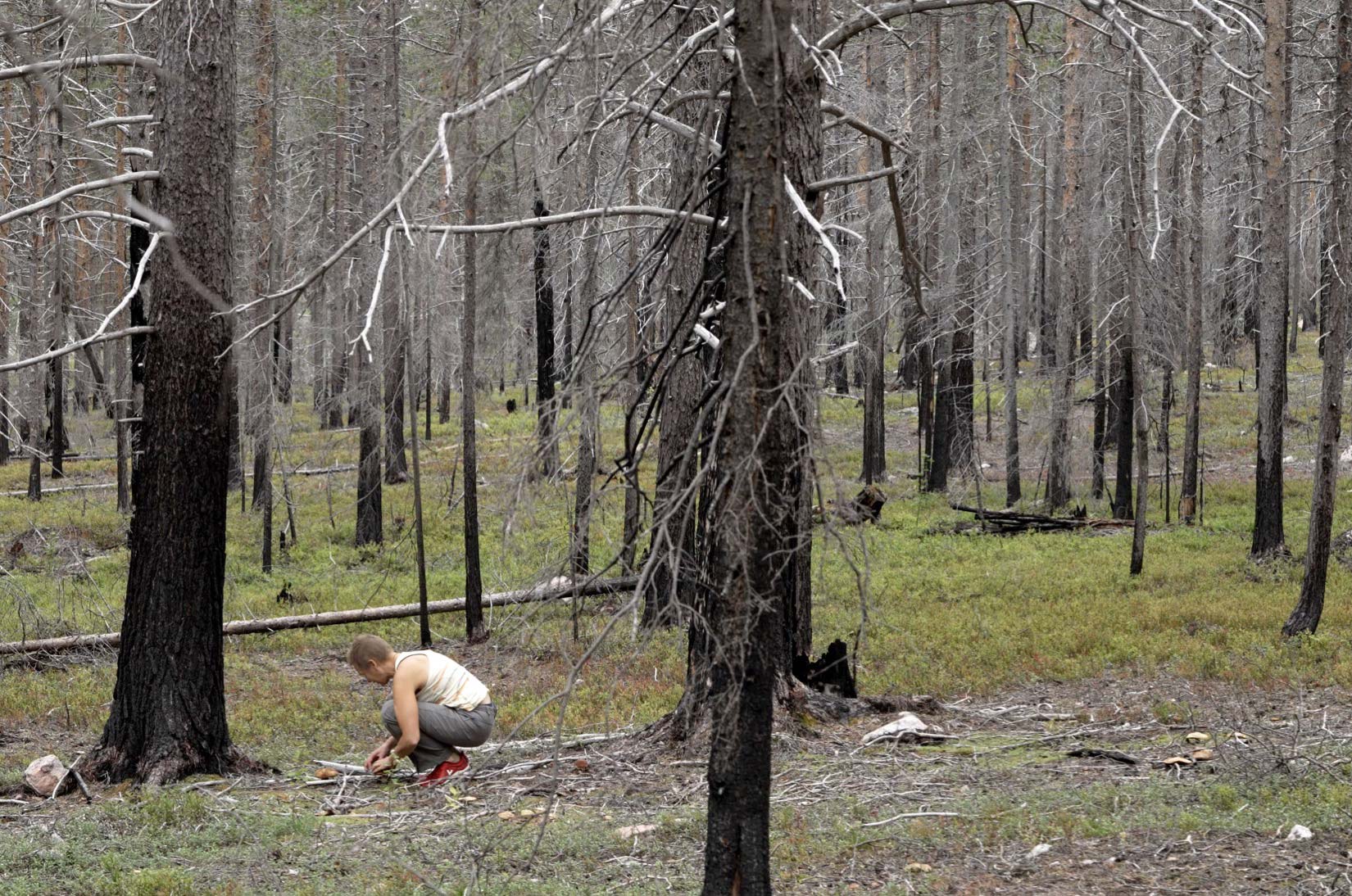
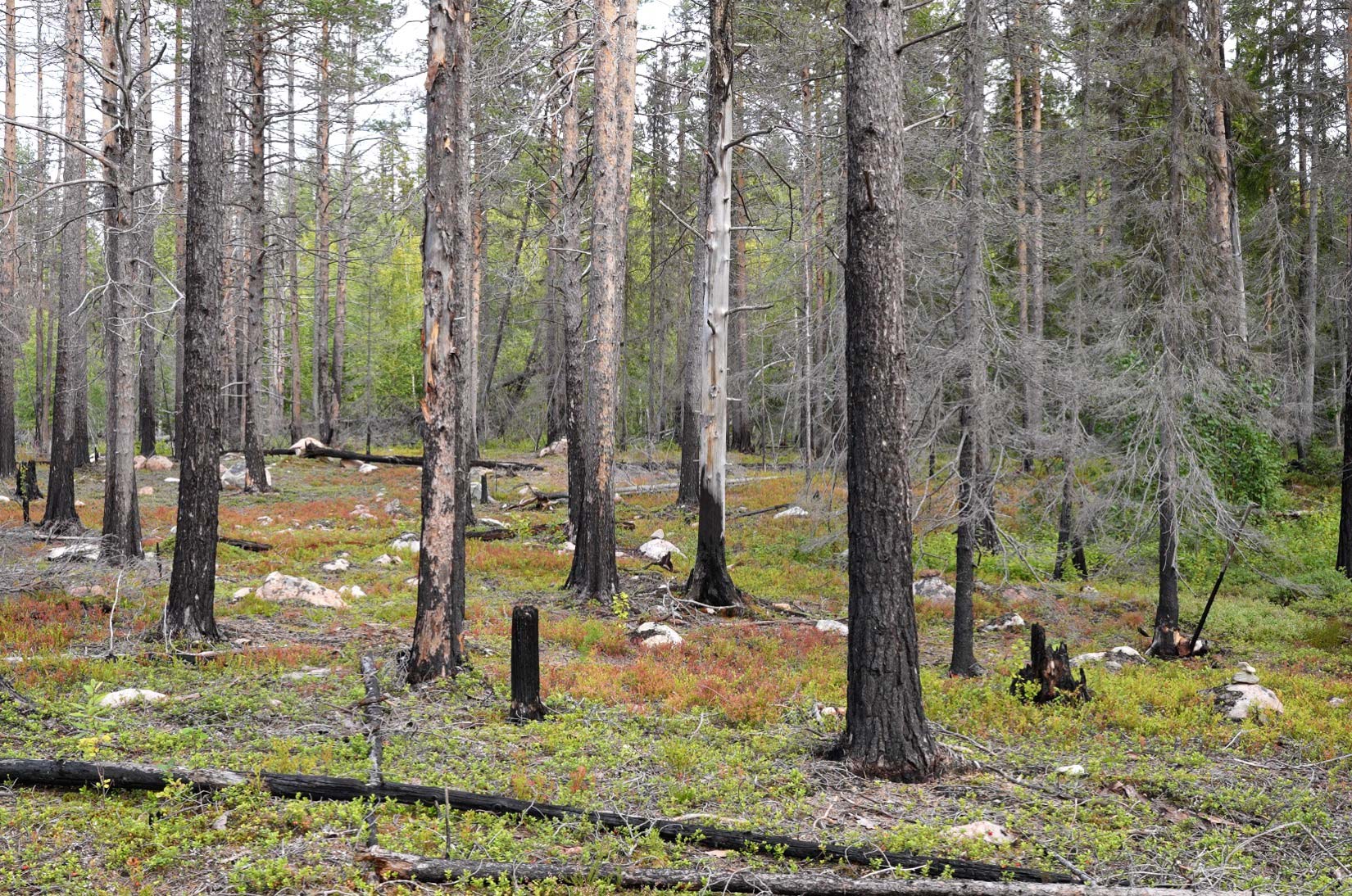
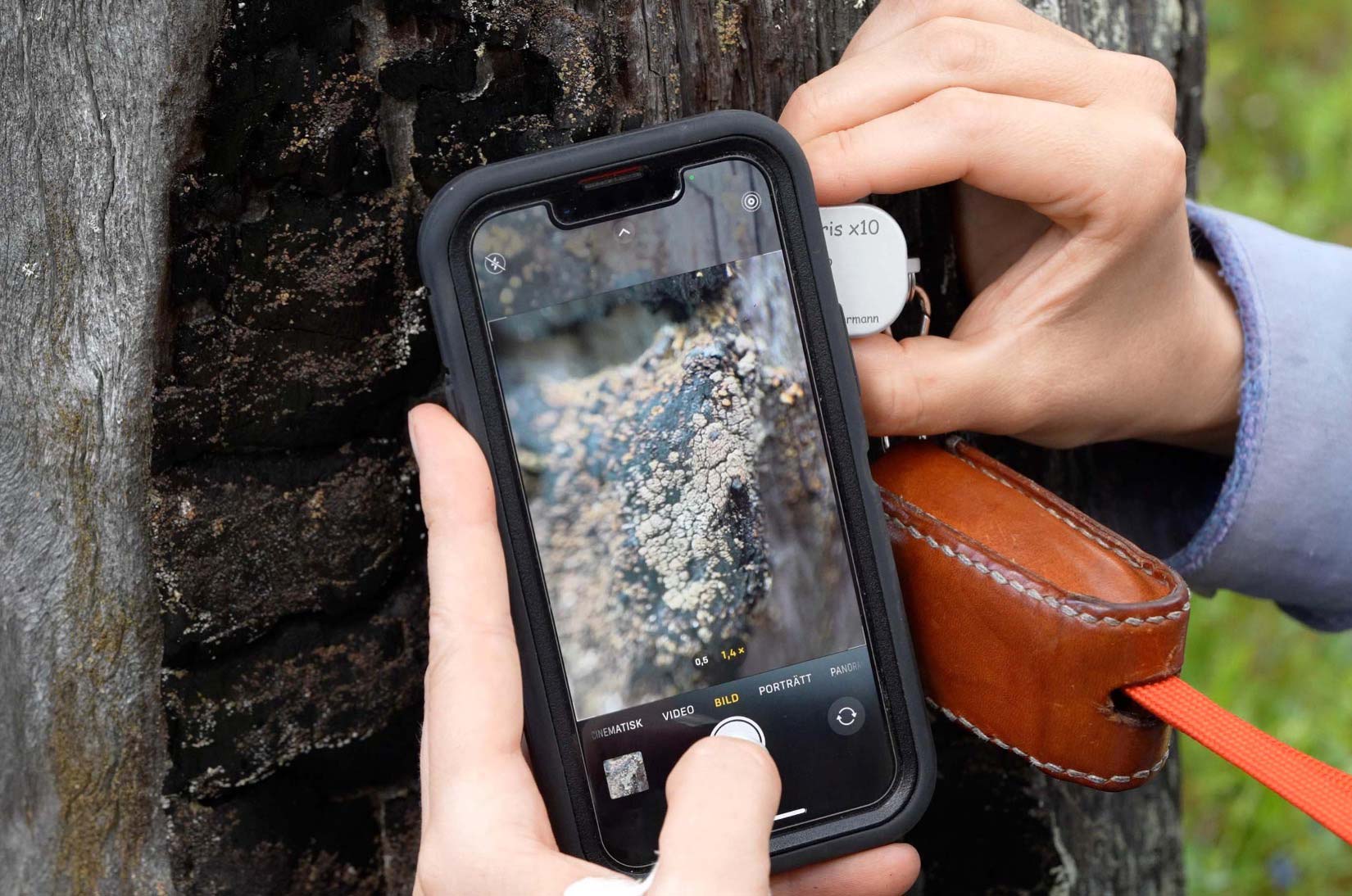
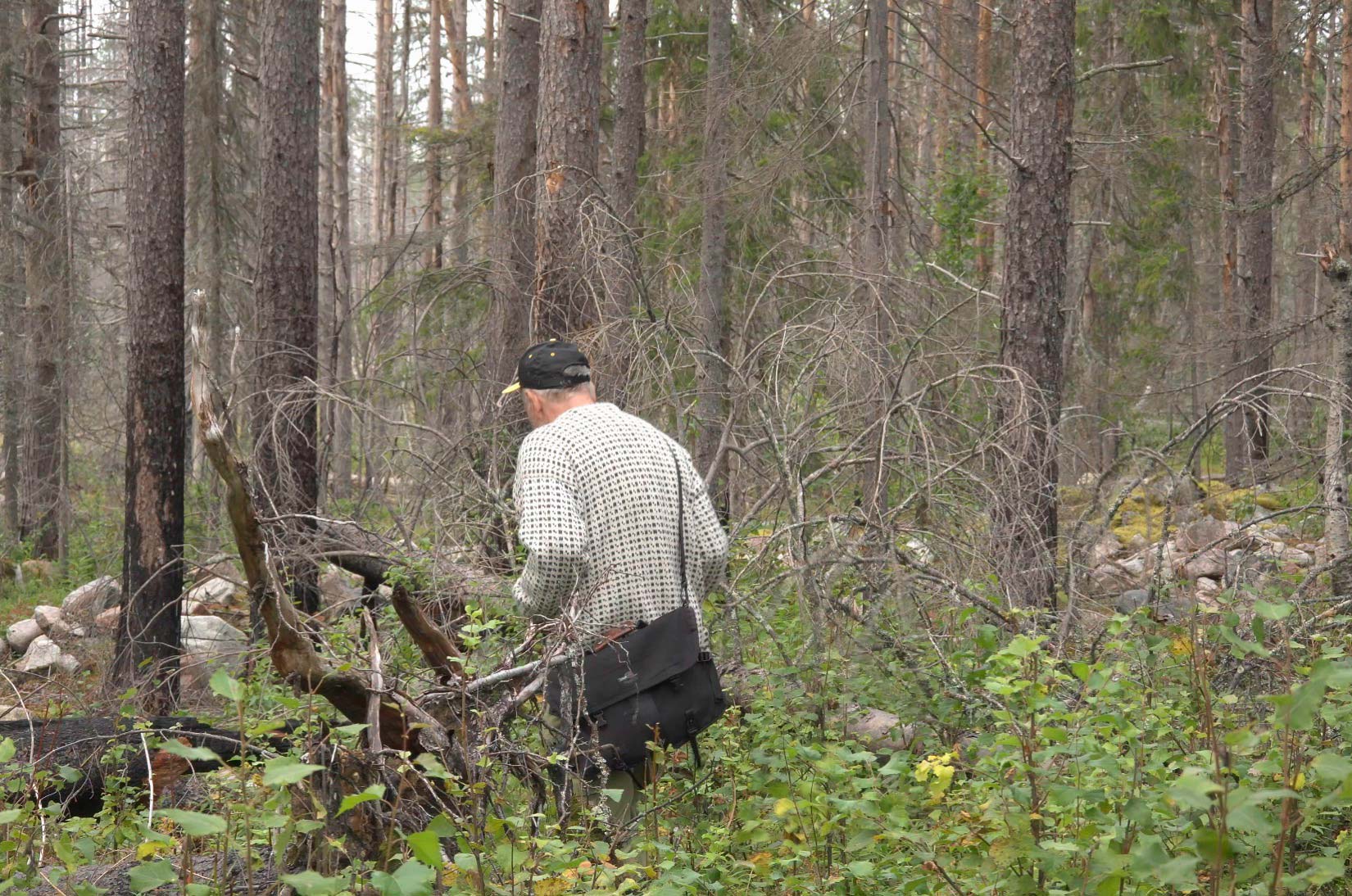
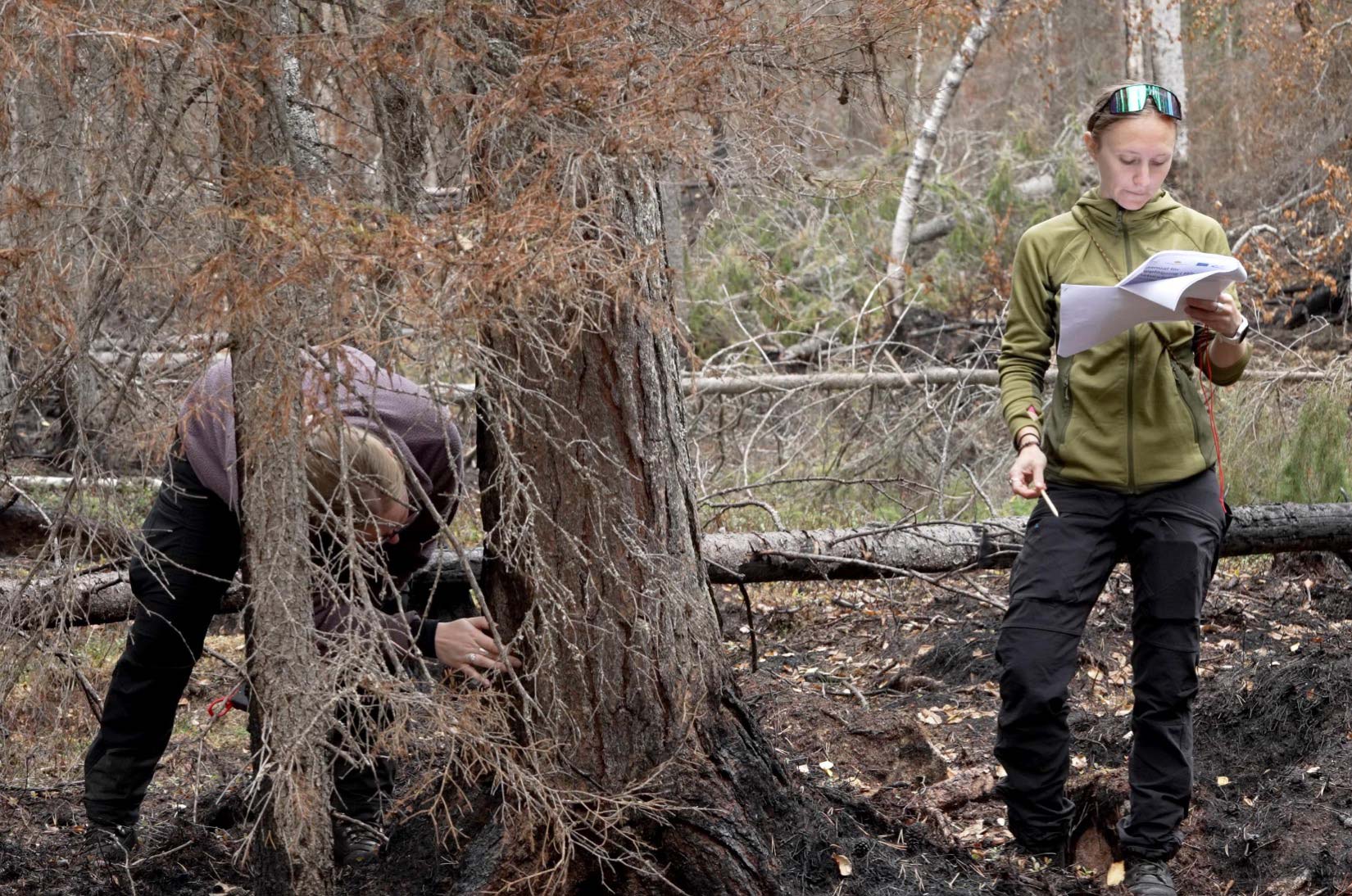
Through extensive fieldwork and audiovisual documentation and interview with elders, the project follows the recovery of forests severely affected by the 2018 wildfires, including Persbacka, which was subsequently designated a nature reserve.
–
–
Supported by
Swedish Research Council for Sustainable Development (FORMAS)
–
Link to Project, Uppsala University
–
Events
Árbbediehto for Dummies: adapting, transferring and visualizing traditional Sámi land based knowledge: Roundtable, NAISA Conference Bådåddjo/Buvvda/Bodø, 2024
Fires of the Forests of Norrland, Geopolitics of the Forests, Umarts, Umea, 2024
Indigenous Perspectives on Forest Fires, Drought, and Climate Change, Sábme, Transindigeneity: Between Local Specificities and Global Complexities, Global Indigenous Network, University of Barcelona, 2023
–
Publications
Acosta I. and Öhman M-B Indigenous Perspectives on Forest Fires, Drought, and Climate Change in Sábme: A Collaborative Arts-led Research Project, 2024
–
Jokkmokk Municipality, Norrbotten County, Swedish Sábme, 2021-25
In the summer of 2018, Sweden experienced most severe wildfire season in modern history. The Norrbotten County was one of the most seriously affected areas. While today forest fires are predominantly seen as a symptom of anthropogenic climate change, seasonal fire management has been part of traditional Indigenous land stewardship for thousands of years. During […]
Memories of RockFrom the green marble quarries of Tinos to the iron mines of Serifos and the bentonite mines of Milos, the Cyclades’ rich mineral resources have shaped the islands’ social, cultural, and physical environments. Although mining has been prevalent in the region since antiquity, mineral extraction intensified and diversified in the nineteenth and twentieth centuries. Traces of these modern industrial activities are etched into the landscape and collective memory of the island’s communities, anchoring stories of labor struggles, technological advancements, and environmental change. In most cases, the island economies today rely more heavily on tourism than industrial mining. Yet the past, present, and future of mineral extraction in the Cyclades raises urgent questions about economic and environmental sustainability and reveals the interplay of local island histories and identities with global economic, geopolitical, and environmental forces.
Navigating sites of social, historical and geological significance, this photographic series commissioned for Extraction in the Cyclades: Digital Traces project traces a multiplicity of mineral memories across the islands of Tinos, Naxos, Antiparos, Serifos and Milos. Interweaving earthen and archival materialities, the series moves across scales and geographies, linking derelict infrastructures and mineral samples with active open-pit mines and labor struggles. As an excavation of the present and collective remembering of the past, the series evidences the mutable processes by which history is consolidated, communicated and transformed. Images from each of the islands are arranged in five chapters as an interconnected web of relations, encouraging readings between sites and temporalities.
Extraction in the Cyclades: Digital Traces examines these overlapping dimensions of mining and quarrying in the Cyclades, focusing on five islands of varying scale and geological composition with significant extractive activity over the last three centuries: Antiparos, Milos, Naxos, Serifos and Tinos. In partnership with local historians, museums, labor centers and other community partners, Archipelago Network presents a constellation of photographic and audiovisual collections, contributing to dissemination of the historical memory and cultural heritage of mining and quarrying from the late nineteenth century to present day.
–
–
Supported by
Greek Ministry of Culture, and J. F. Costopoulos Foundation
–
Links
External Link
–
Antiparos, Milos, Naxos, Serifos and Tinos, Greece, 2024
From the green marble quarries of Tinos to the iron mines of Serifos and the bentonite mines of Milos, the Cyclades’ rich mineral resources have shaped the islands’ social, cultural, and physical environments. Although mining has been prevalent in the region since antiquity, mineral extraction intensified and diversified in the nineteenth and twentieth centuries. Traces […]
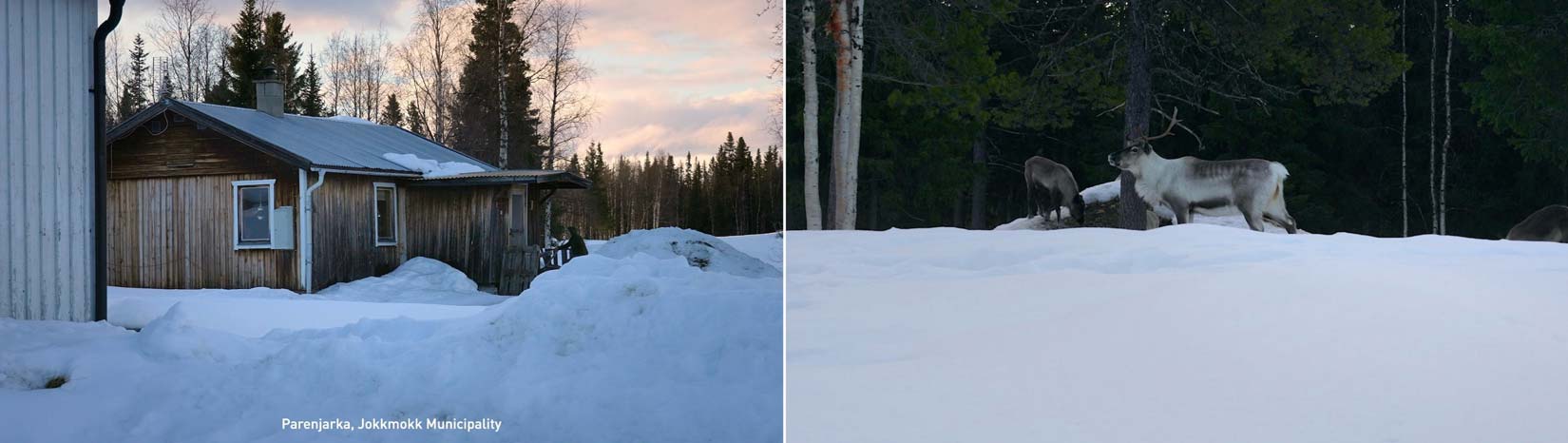
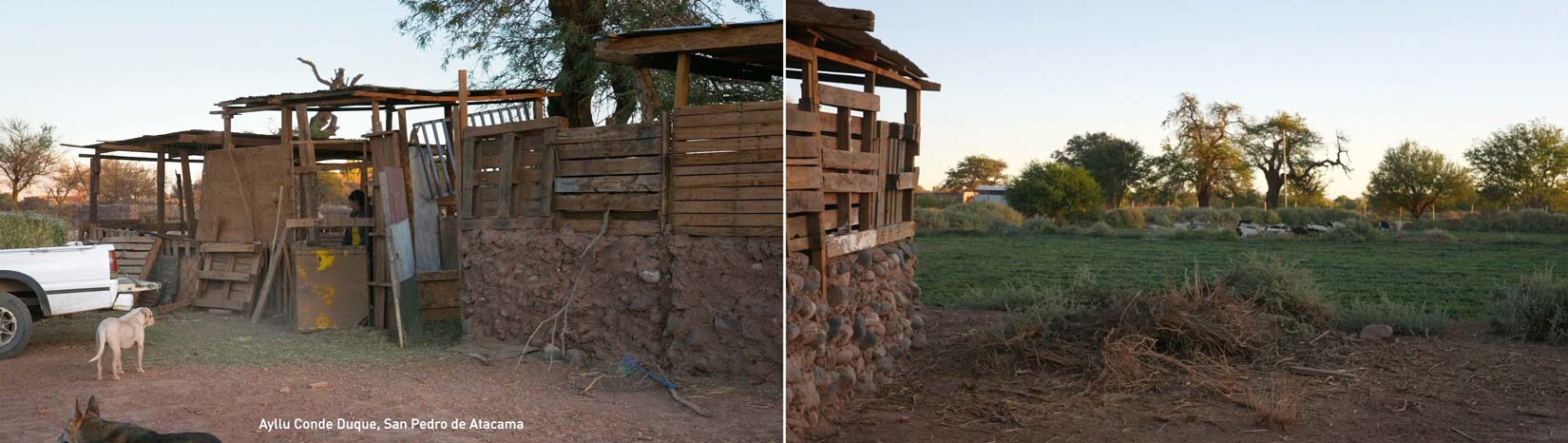
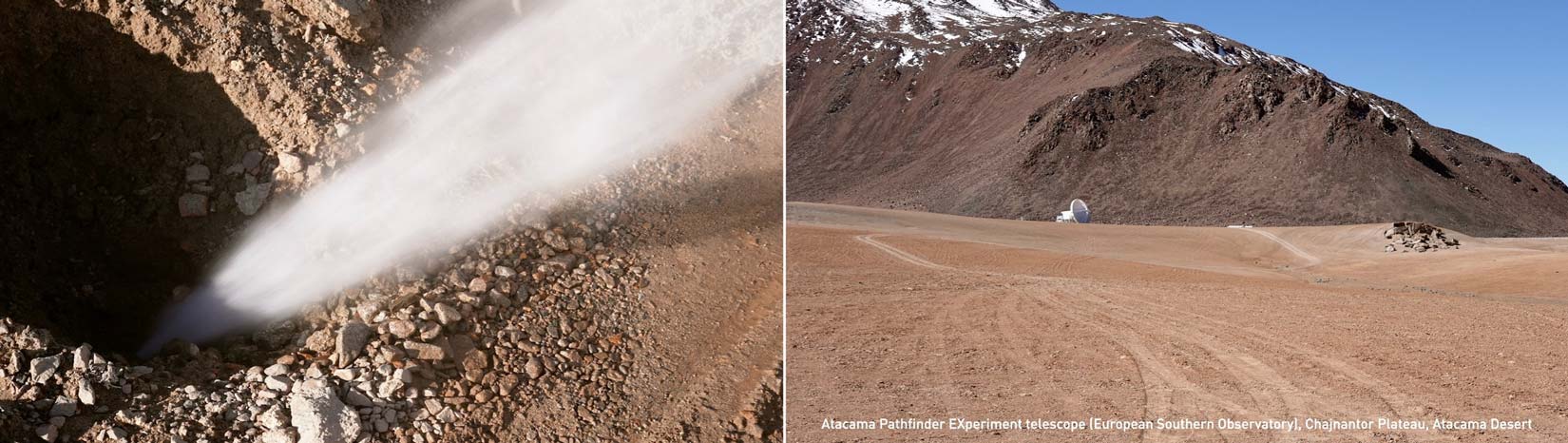
From Mars to Venus: Activism of the FutureIn ancient cosmology, planets and minerals have long been associated with alchemical traditions, astrology, and symbolic correspondences. Mars is symbolized by iron, while Venus is associated with copper. In this work, Sápmi where the majority of the iron is mined in Europe, becomes Mars; and the Atacama-Andes region, where the largest amount of the world’s copper is produced, becomes Venus.
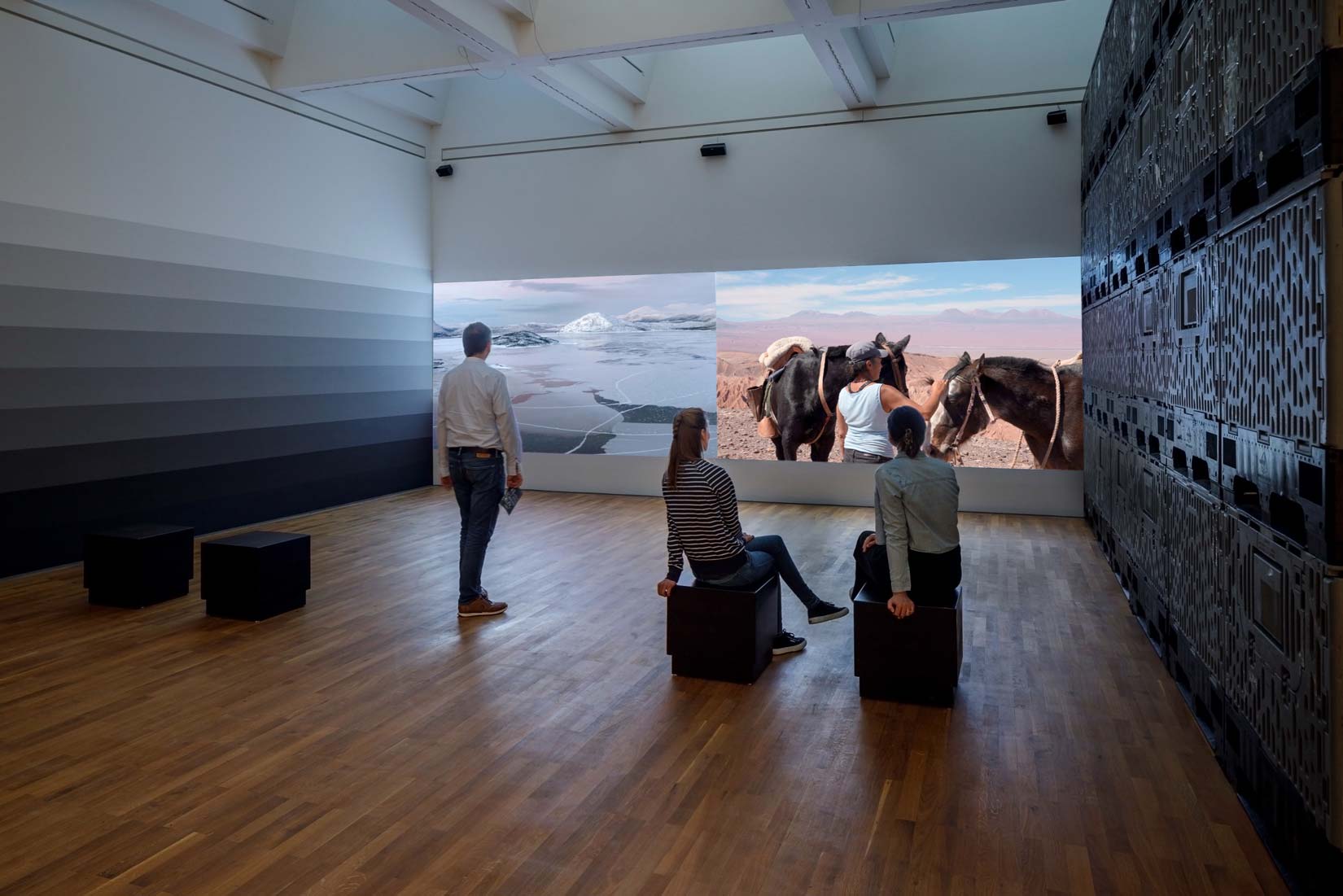
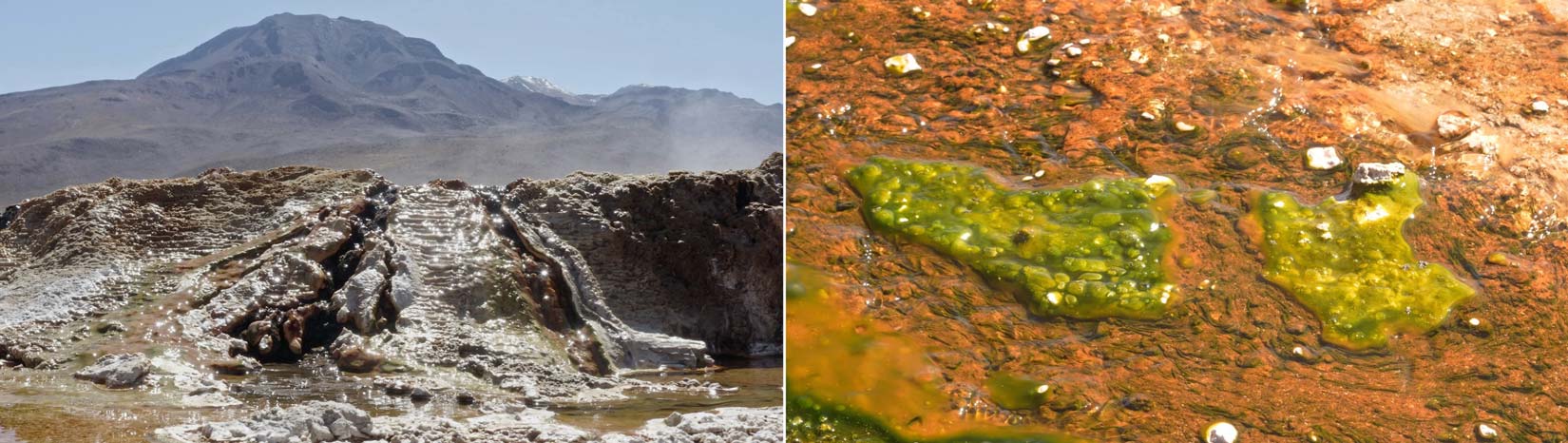
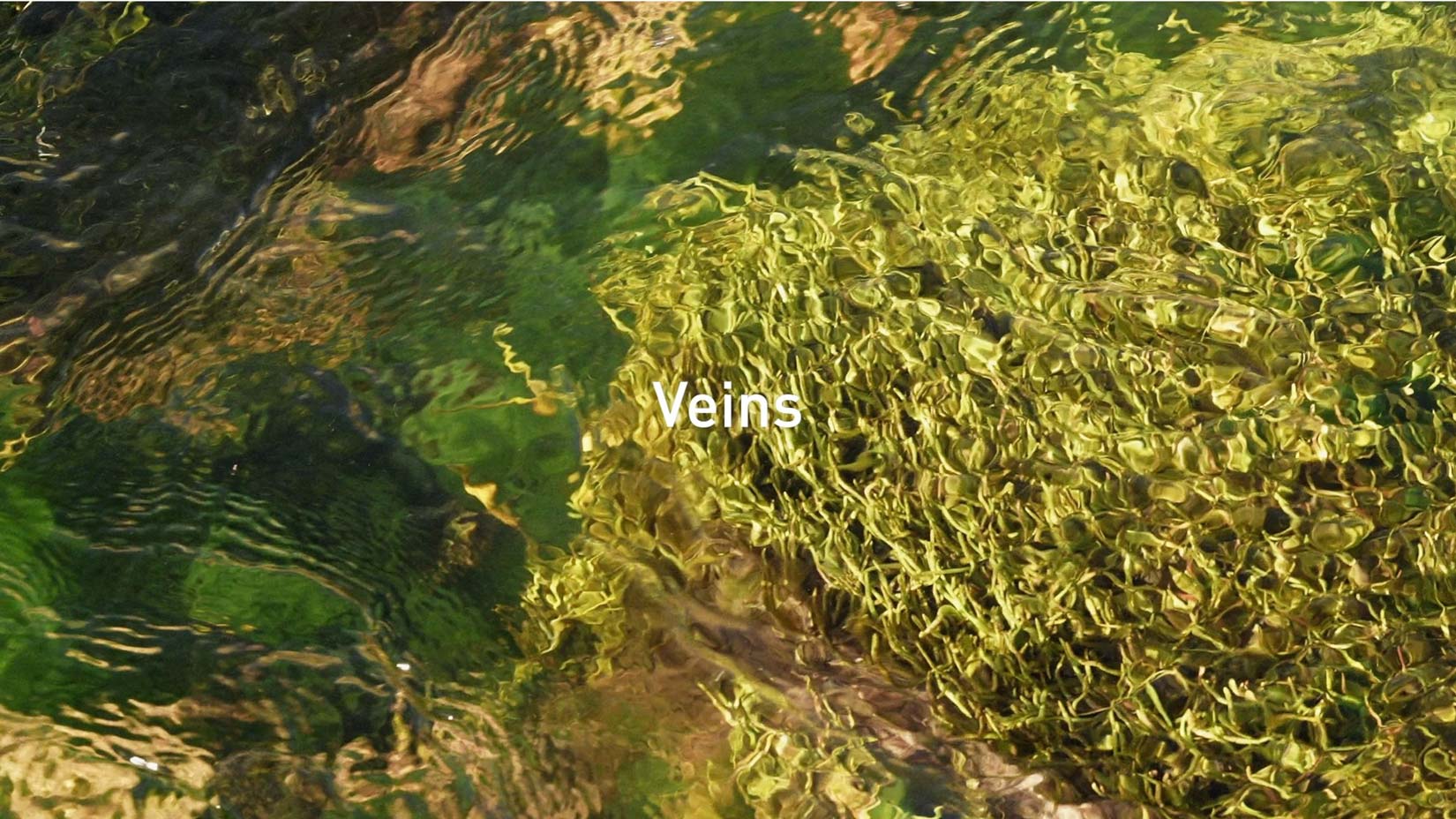
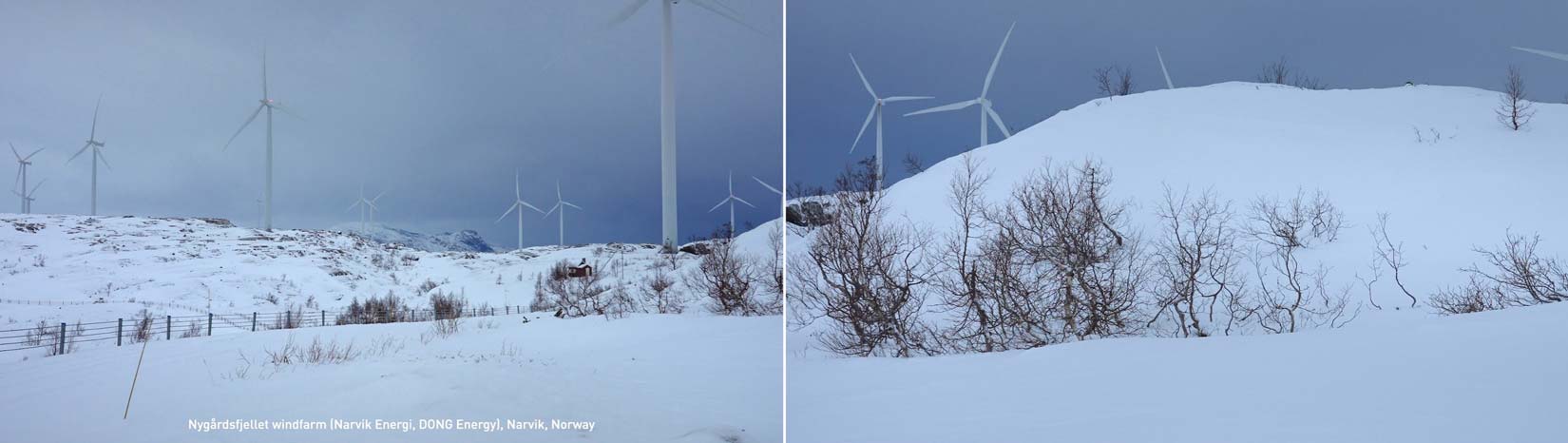
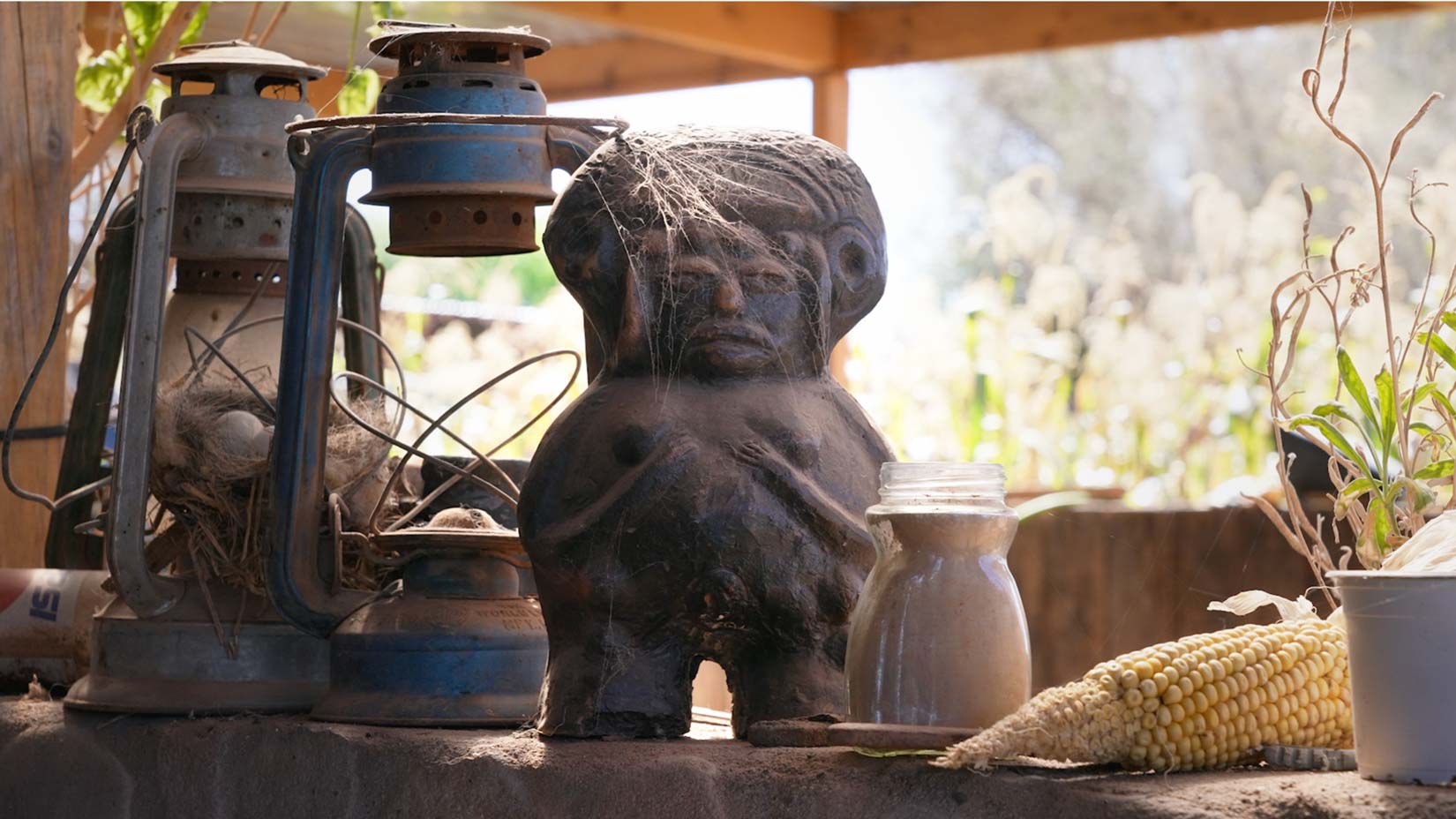
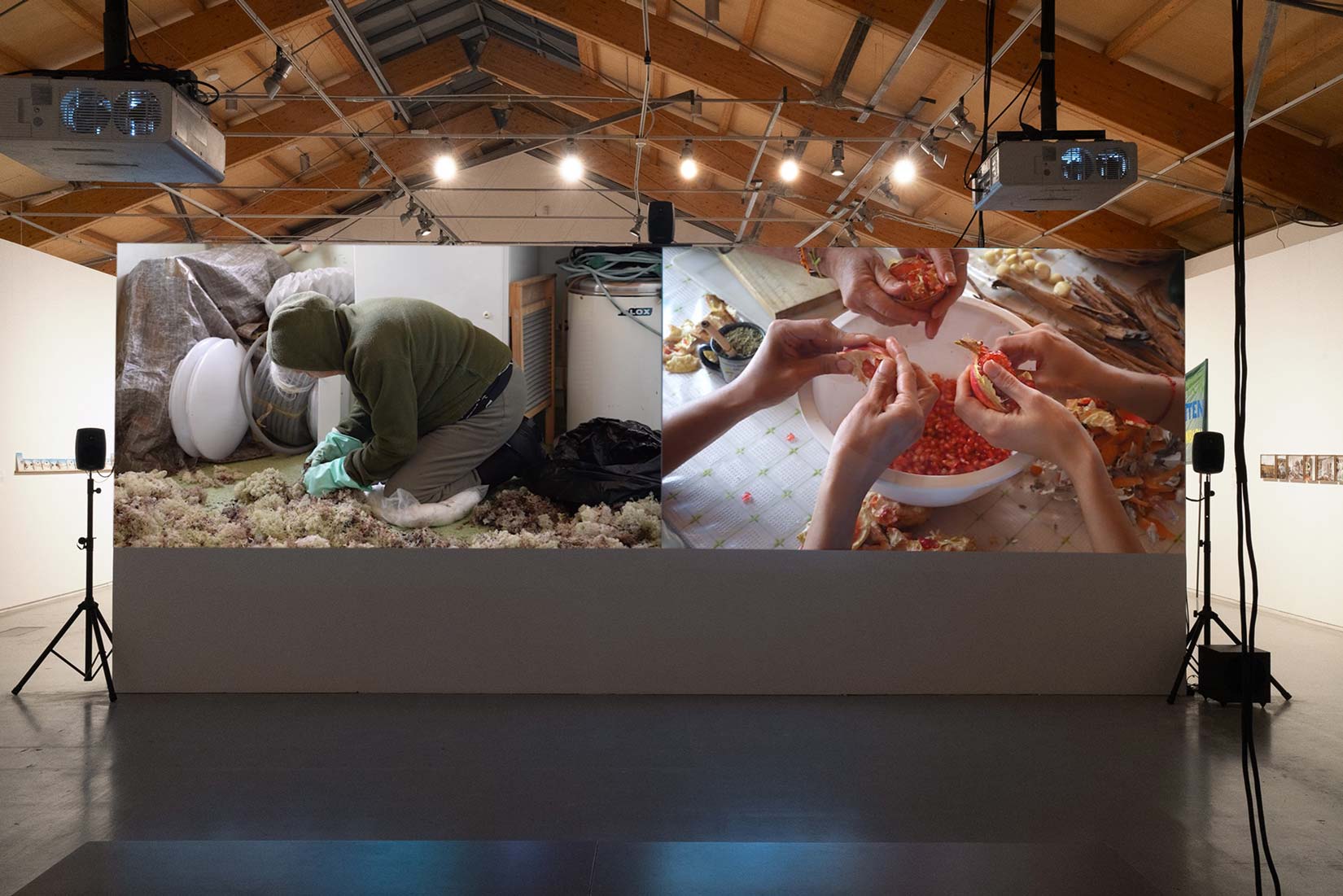
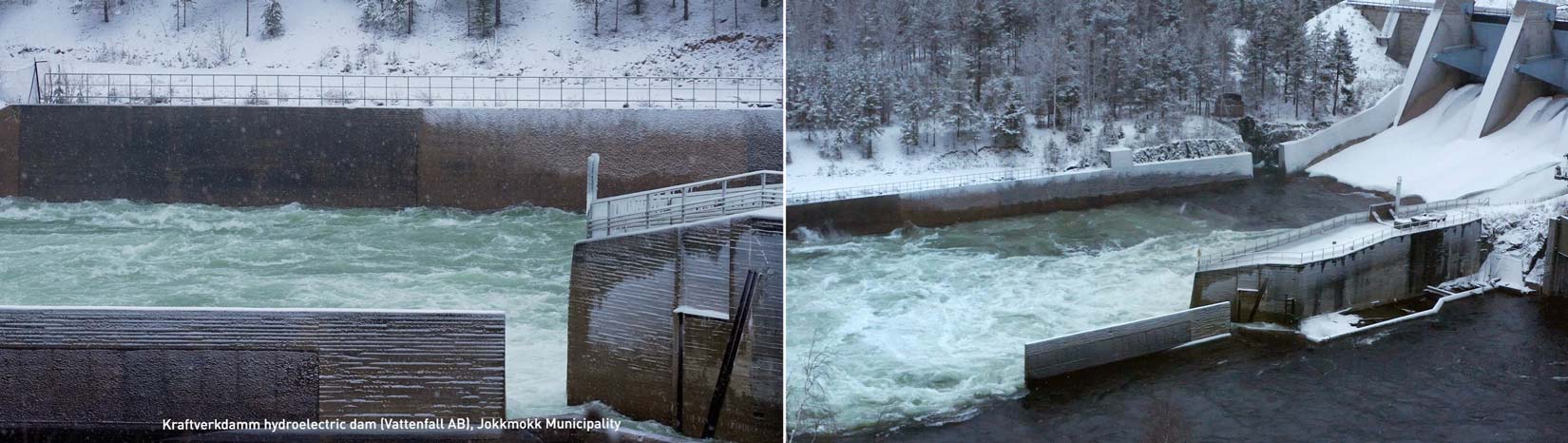
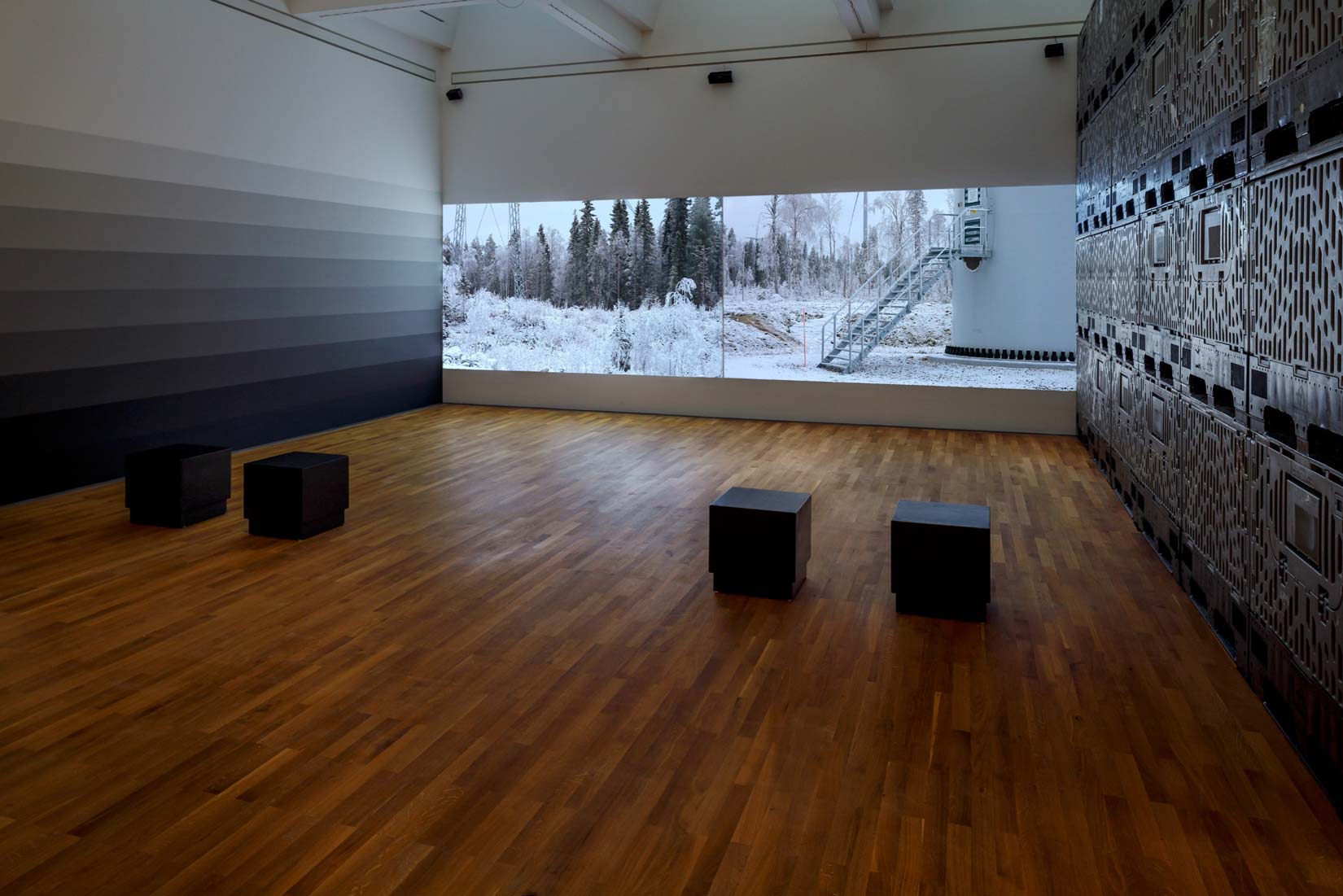
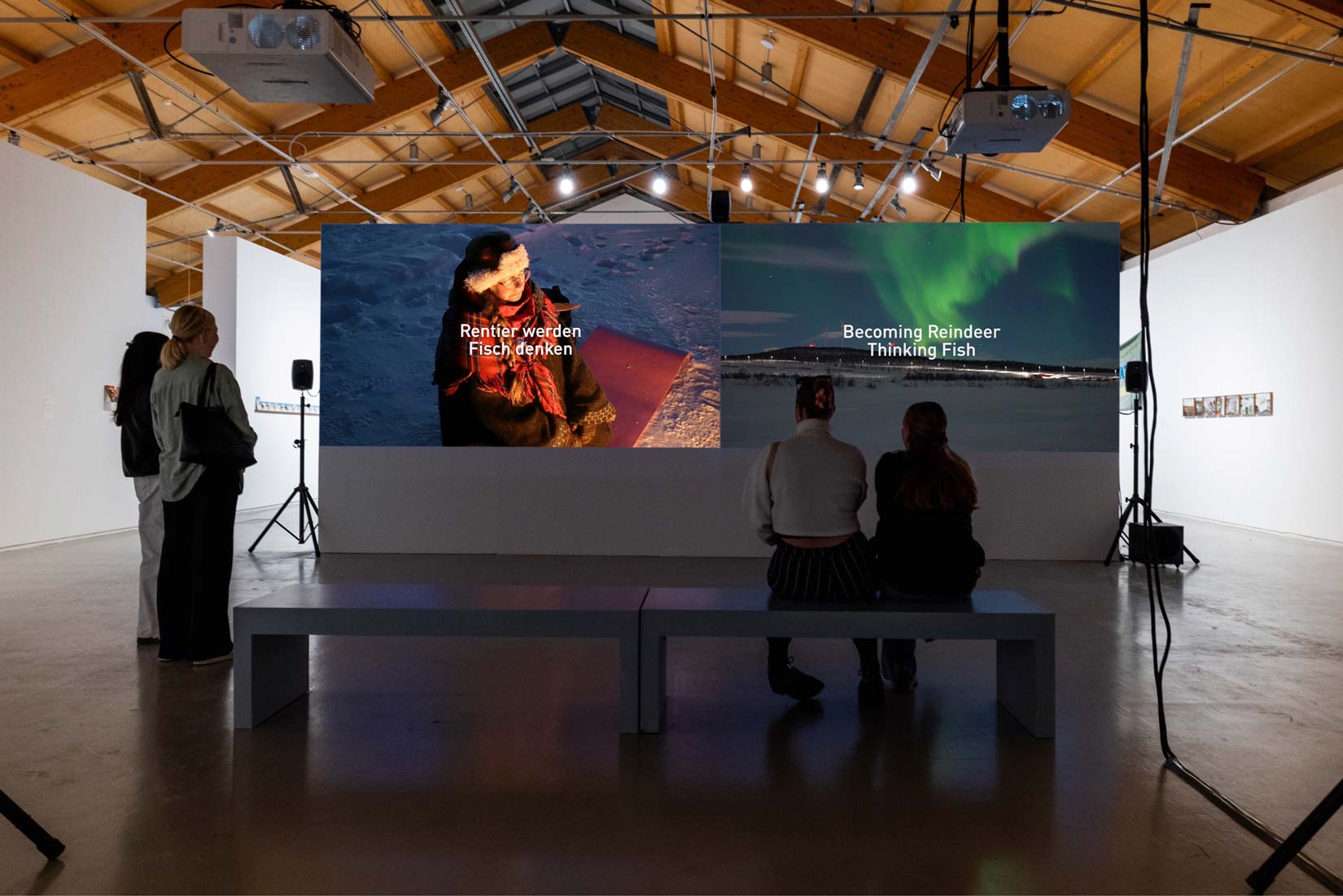
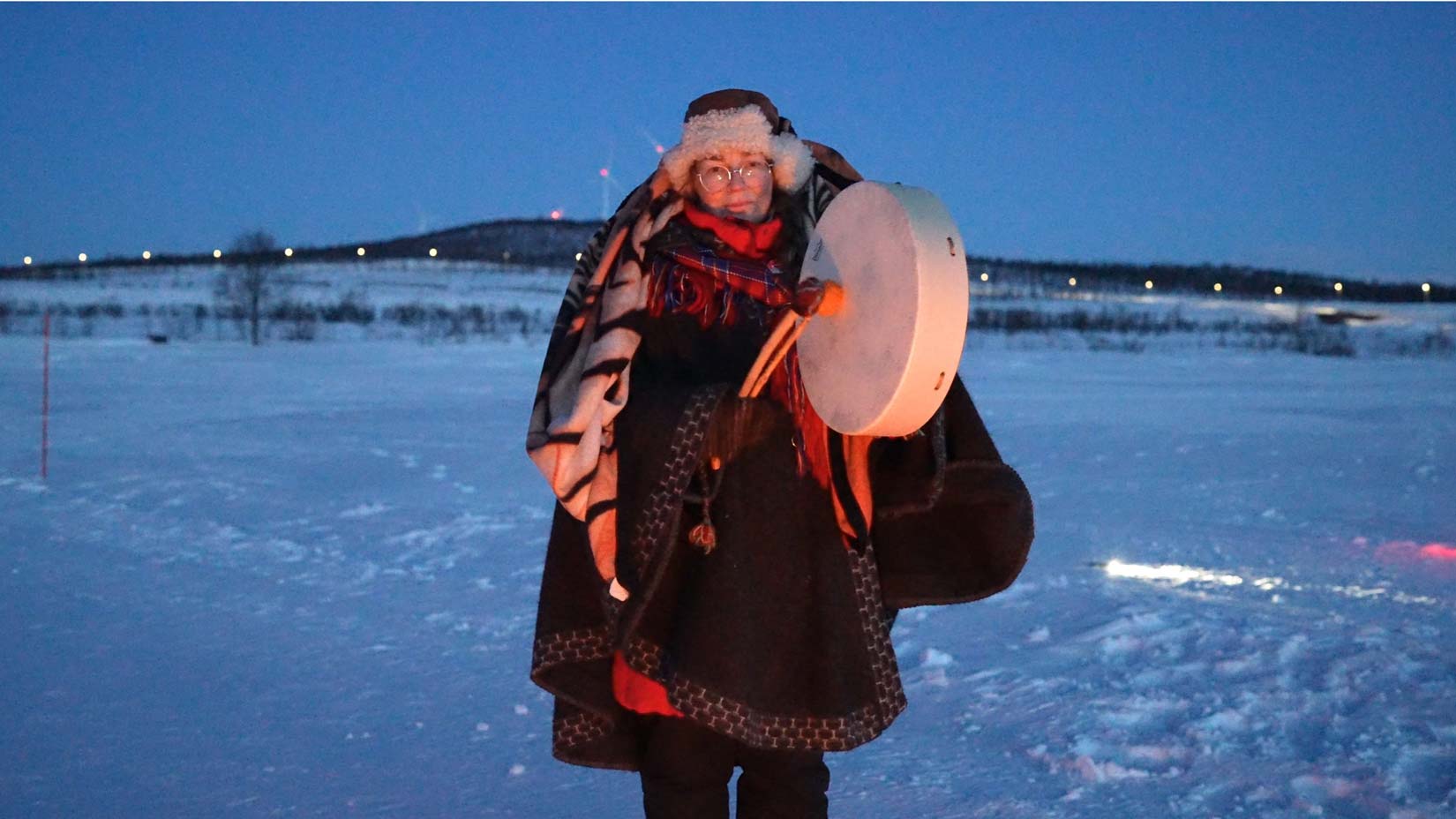
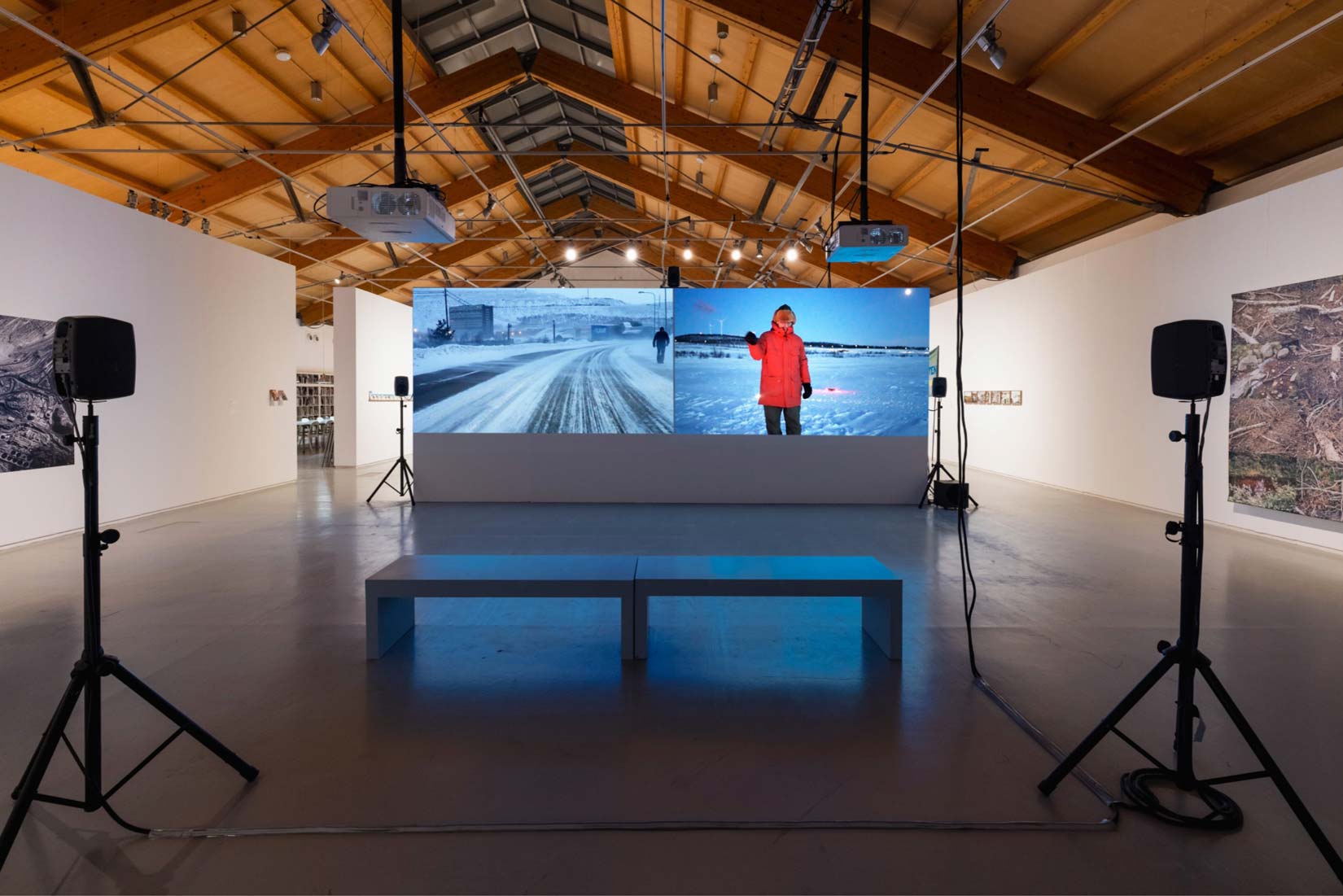
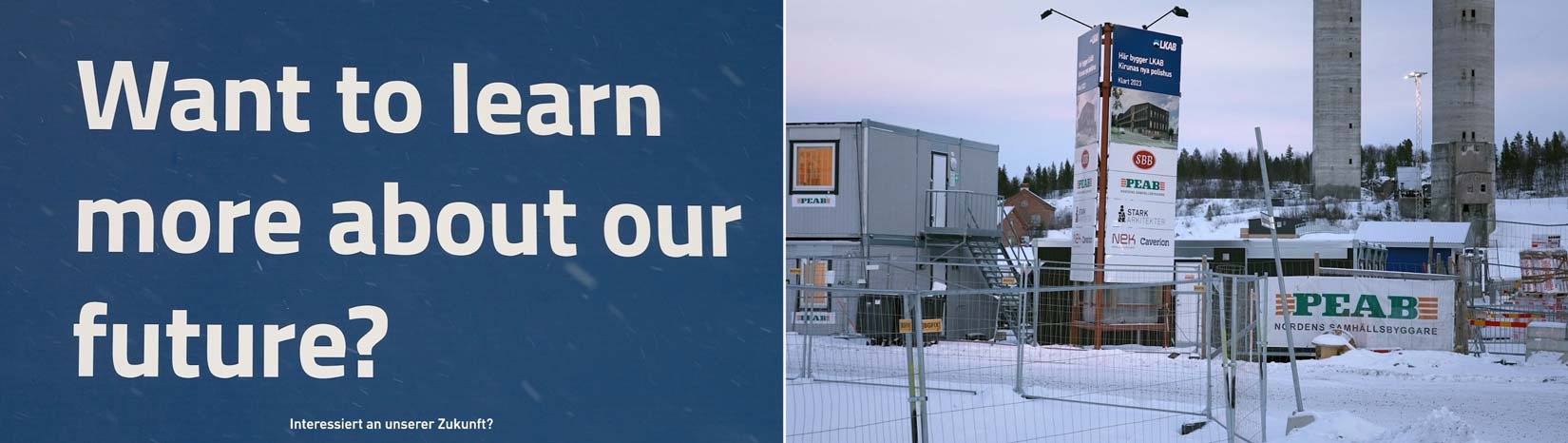
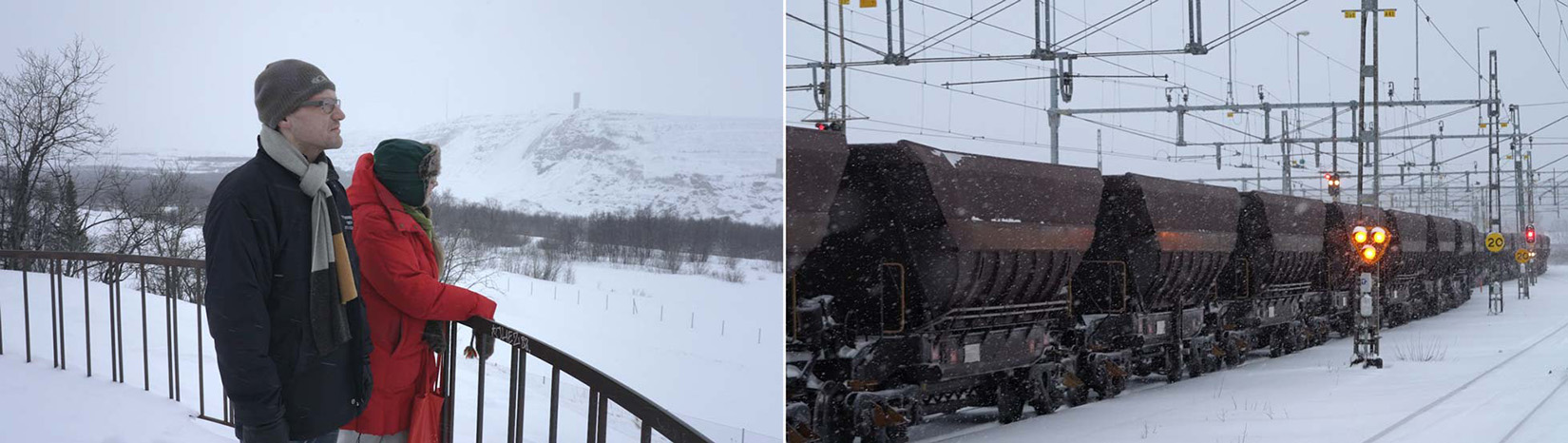
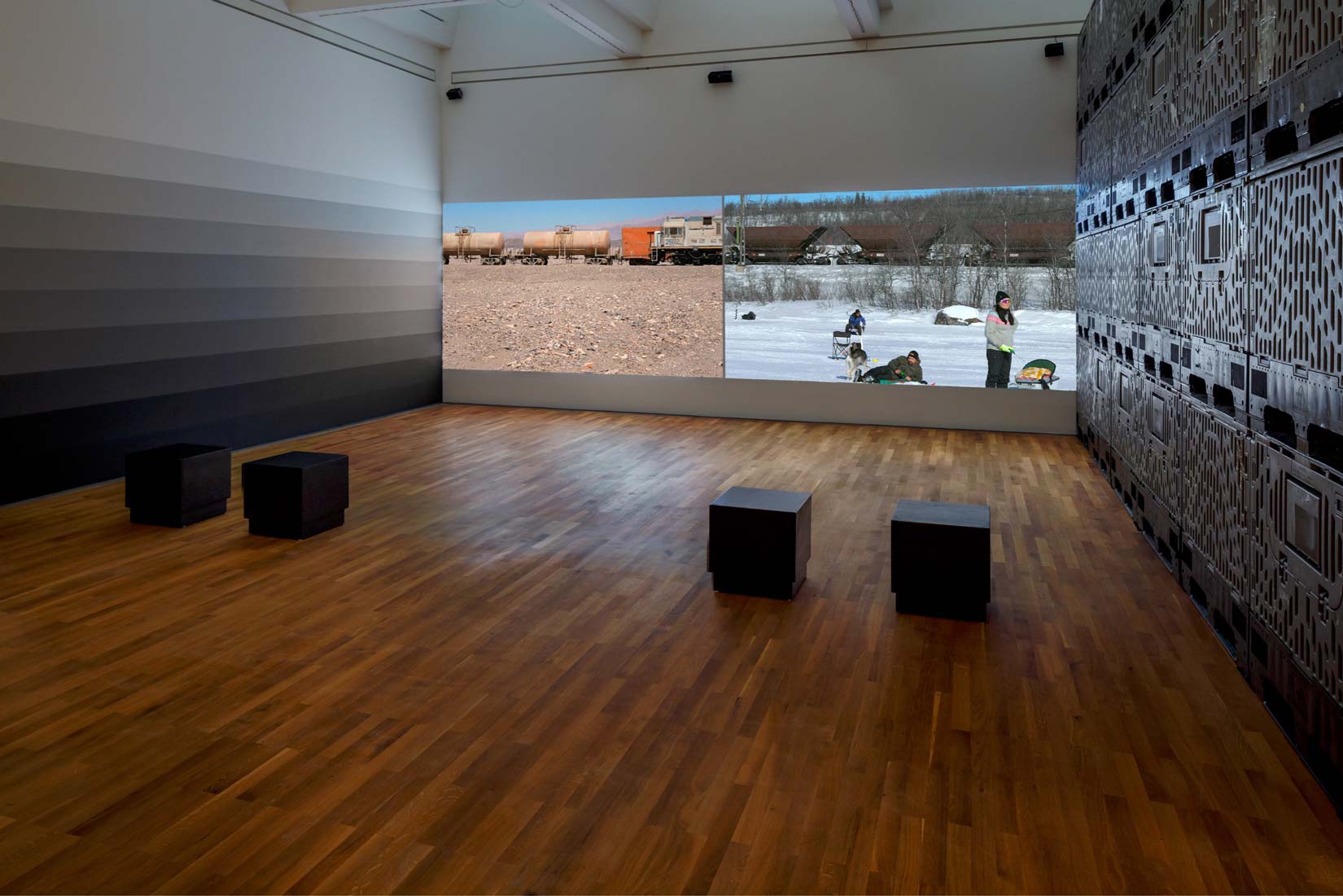
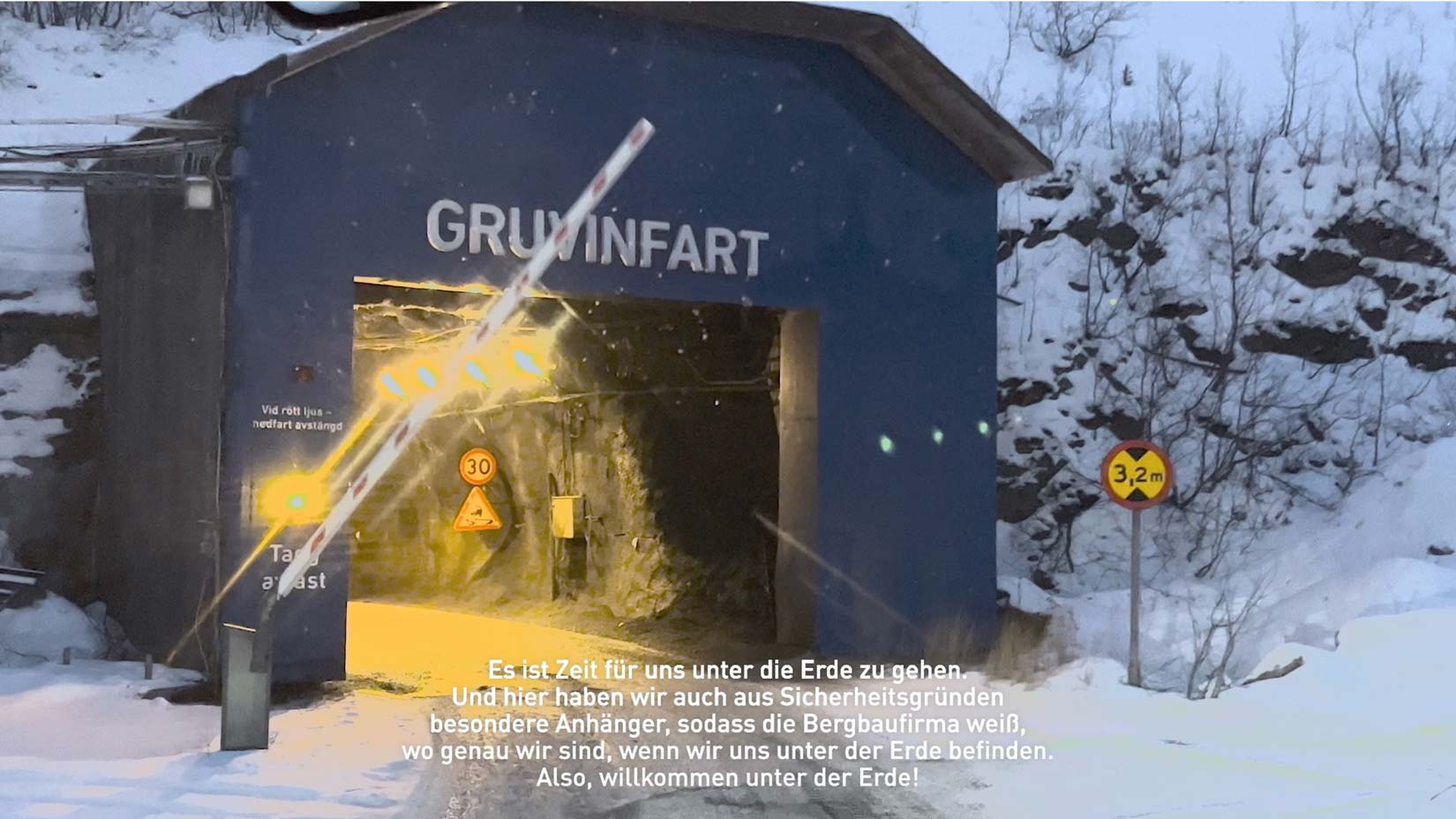
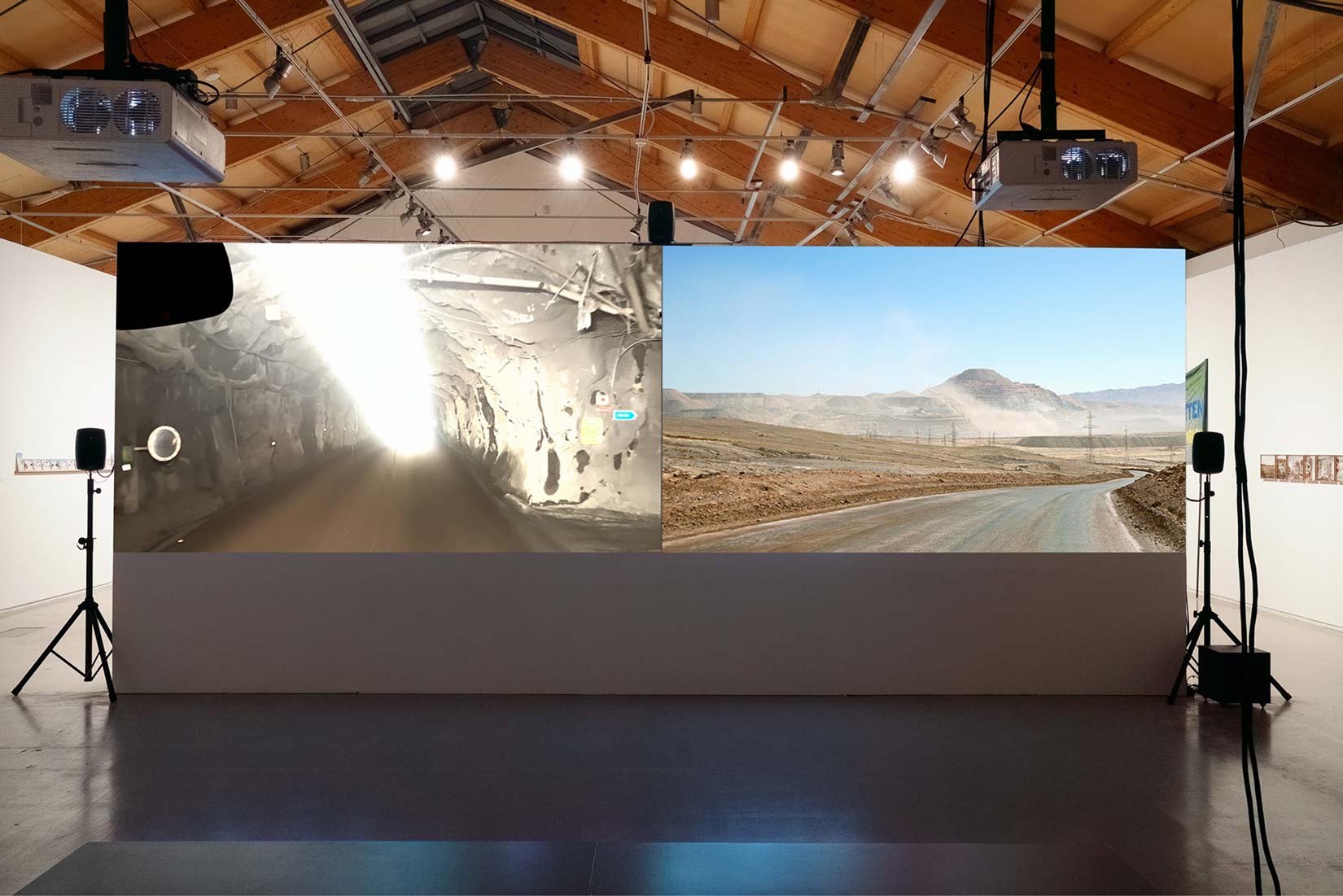
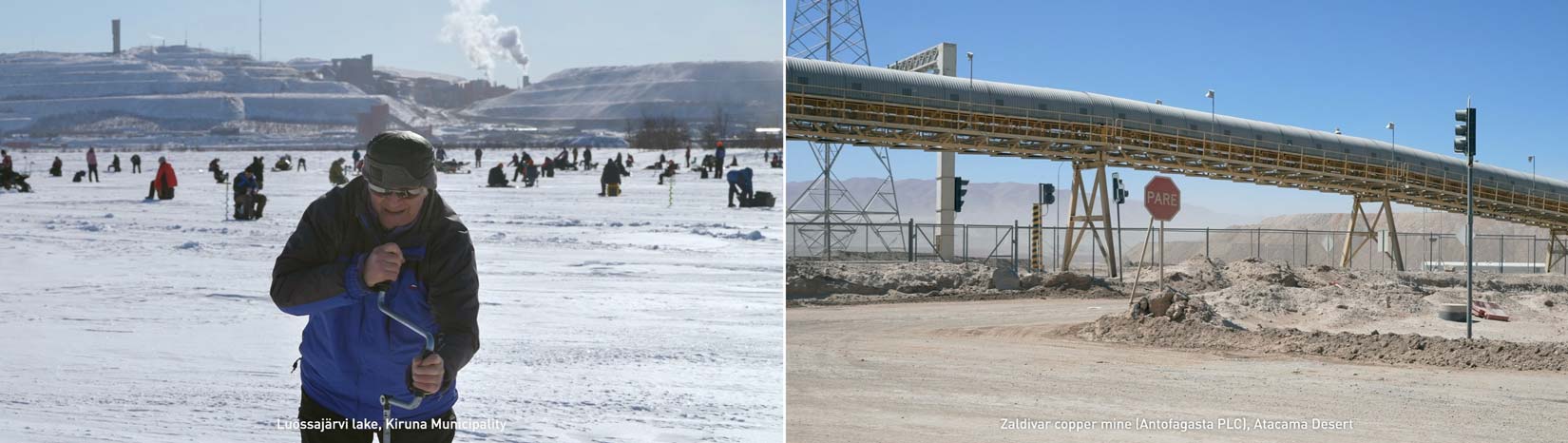
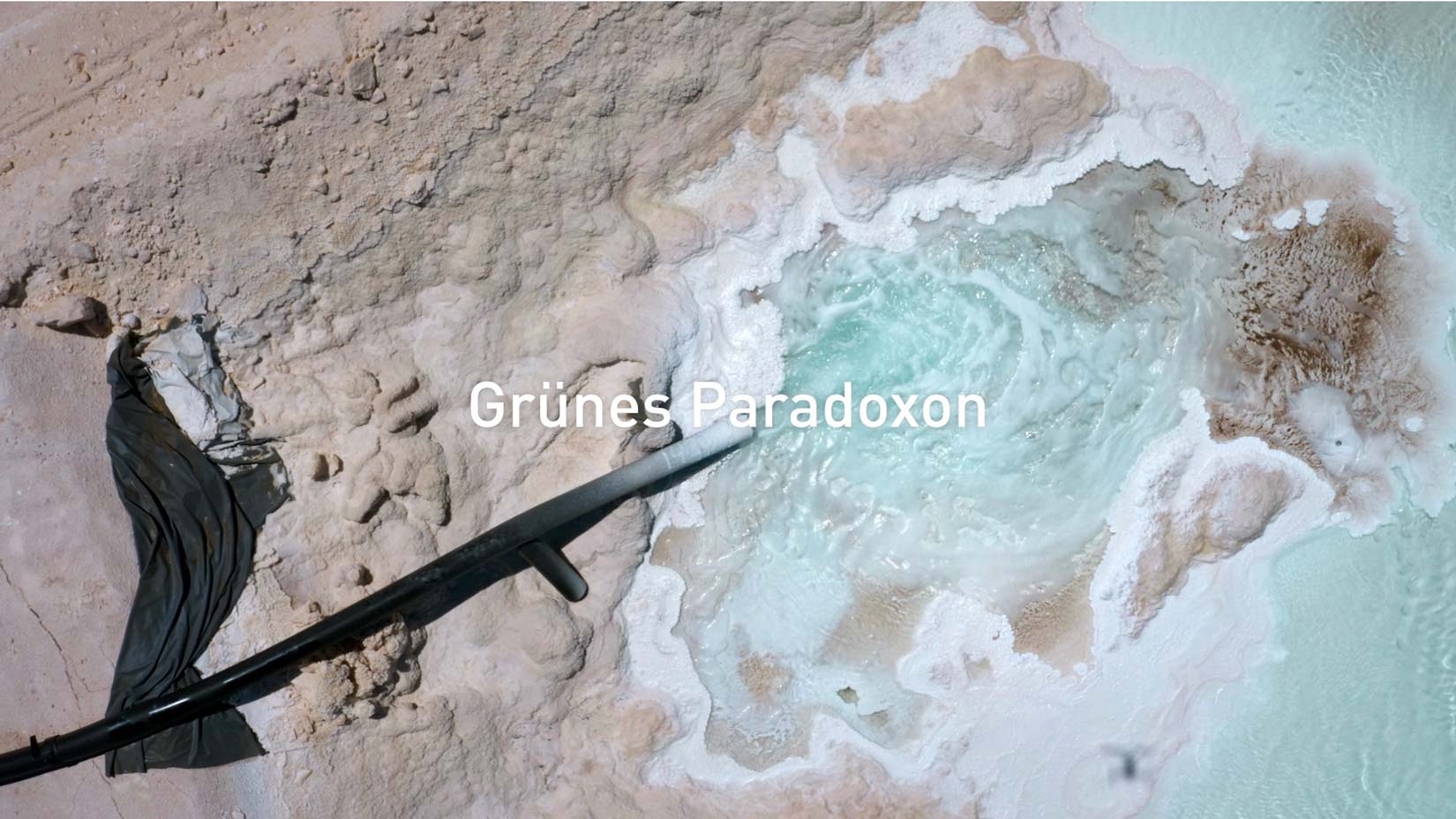
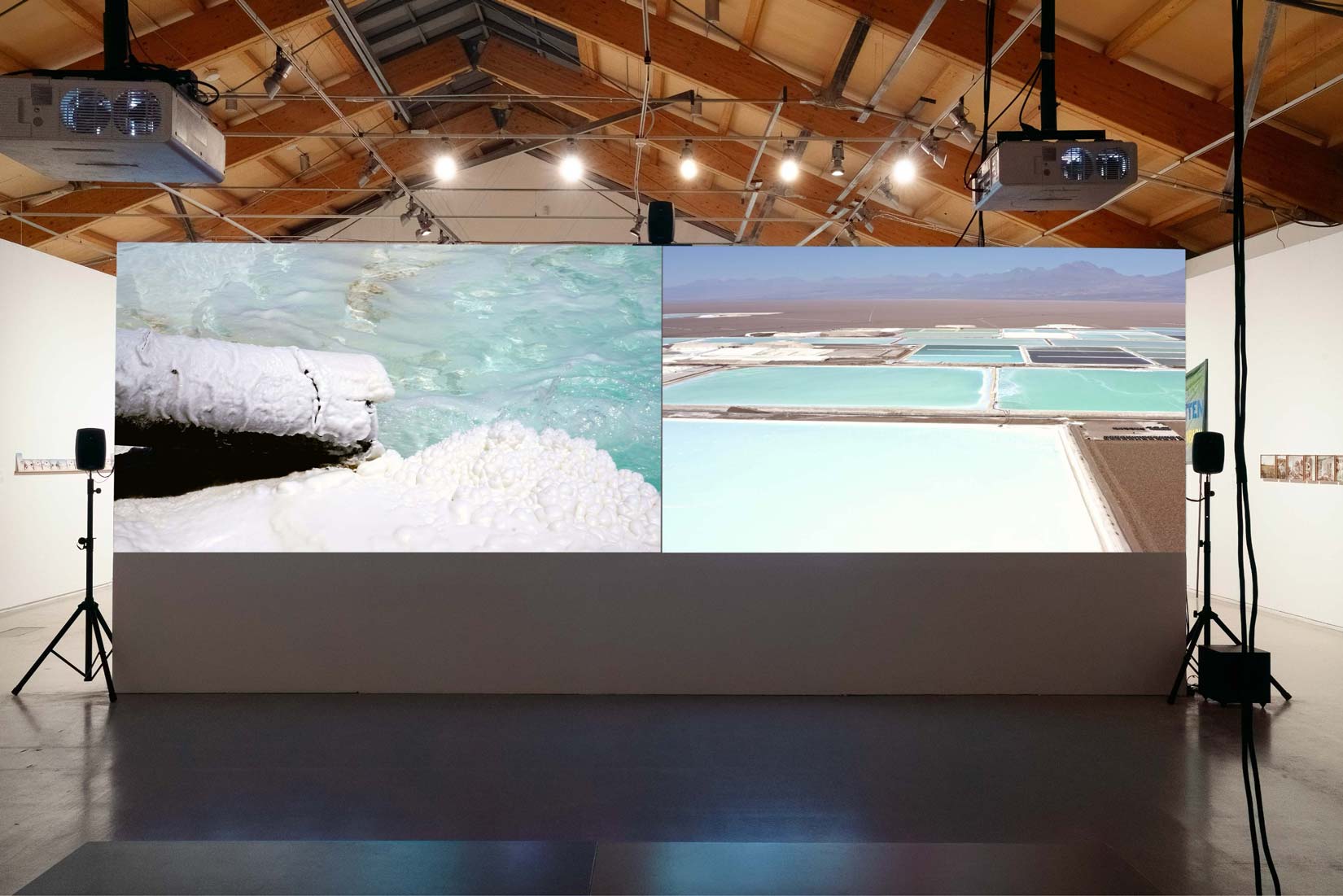
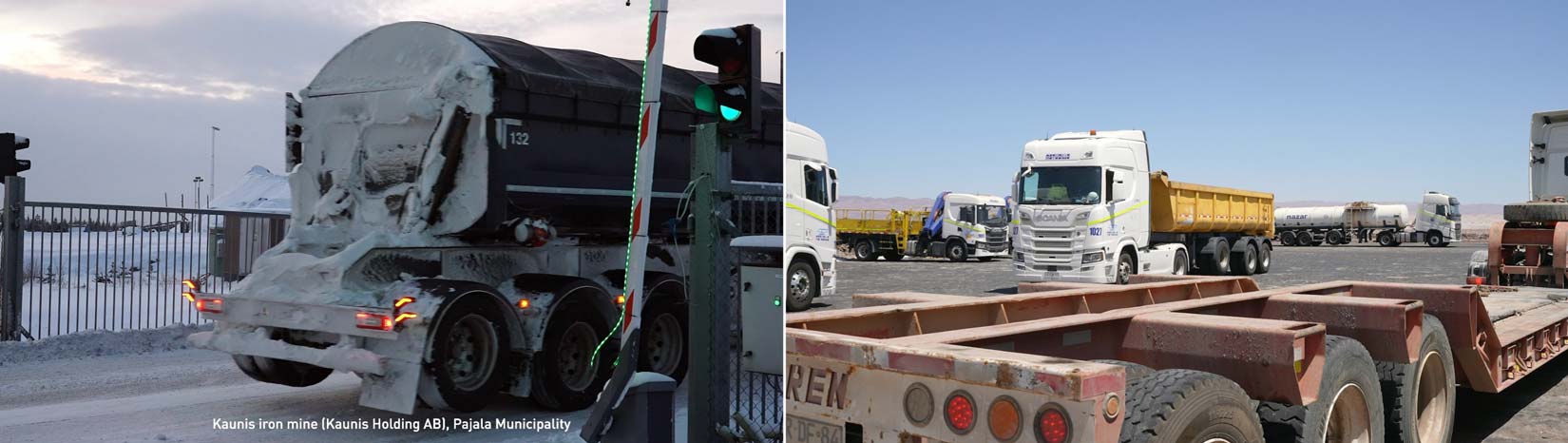
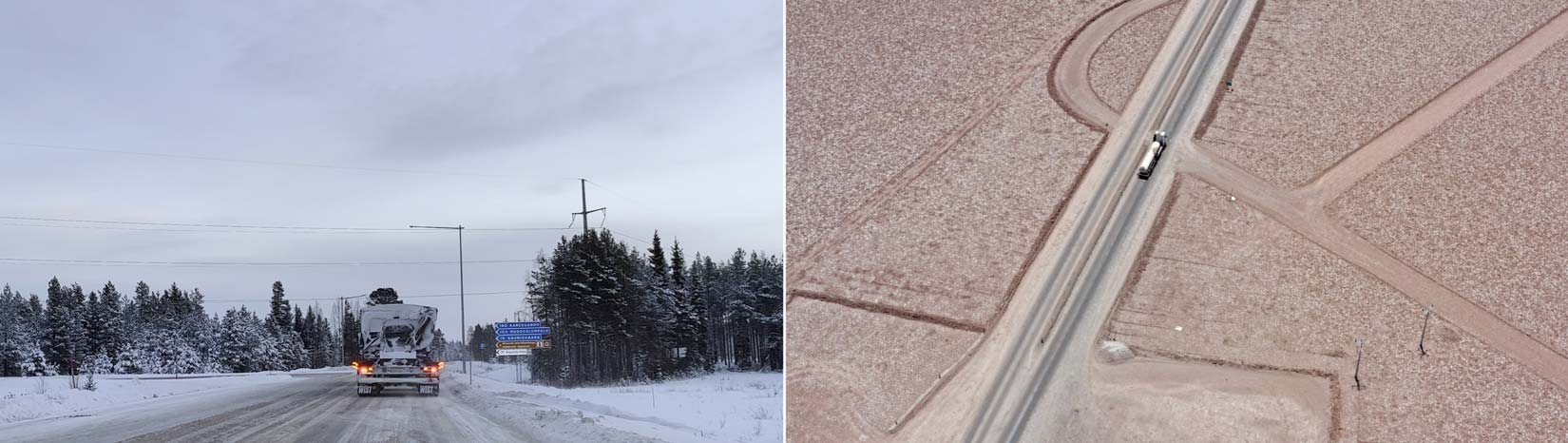
From Mars to Venus: Activism of the Future proposes a connection between these two distant territories: In Kiruna—Sweden’s northernmost town, 200 kilometres north of the Arctic Circle— the iron mining industry has historically occupied traditional Sámi lands; and the Chilean Atacama Desert, one of the driest places on Earth—inhabited by the Lickanantay people for thousands of years, where copper mining and lithium extraction are depleting underground aquifers and restricting access to fresh water for Lickanantay communities. The video juxtaposes the vast scale of mining operations with territorial struggles over water, biodiversity, cultural identity loss and the observation and exploration of space. While Kiruna is a gateway to the aurora borealis and a key site for studying the Earth’s magnetic field and its interaction with solar wind; the Atacama is a key site for astronomical observation, hosting the world’s largest observatories, some of which are located on the Chajnantor plateau at more than 5,000 metres above sea level.
In Kiruna, where unjust state policies reiterate colonial patterns, the iron mining industry has historically occupied the traditional lands of the Sámi and affected reindeer herding patterns. White International media celebrates the corporate relocations of the mining town of Kiruna, where communities of over 3,000 households have been forcibly displaced with unfair compensation. This is occurring because the iron ore mine operated by the Swedish state mining company LKAB is destabilising the ground, and as a result the old city is sinking. In addition to the ongoing extraction of iron, recent discoveries of rare earth metals in Kiruna exceed one million tonnes of oxides, making it the largest known deposit of its kind in Europe. In the Atacama, the natural environment is sacrificed in the name of progress. Copper, historically, and more recently lithium extraction activities—both key to the energy transition and the active materials in rechargeable batteries—are drying up subterranean aquifers and preventing access to fresh water for the Licanantay communities.
–
From Mars to Venus: Activism of the Future (short version 7’53”)
–
Kiruna, Swedish Sápmi and Atacama Desert, Chile, 2022-23
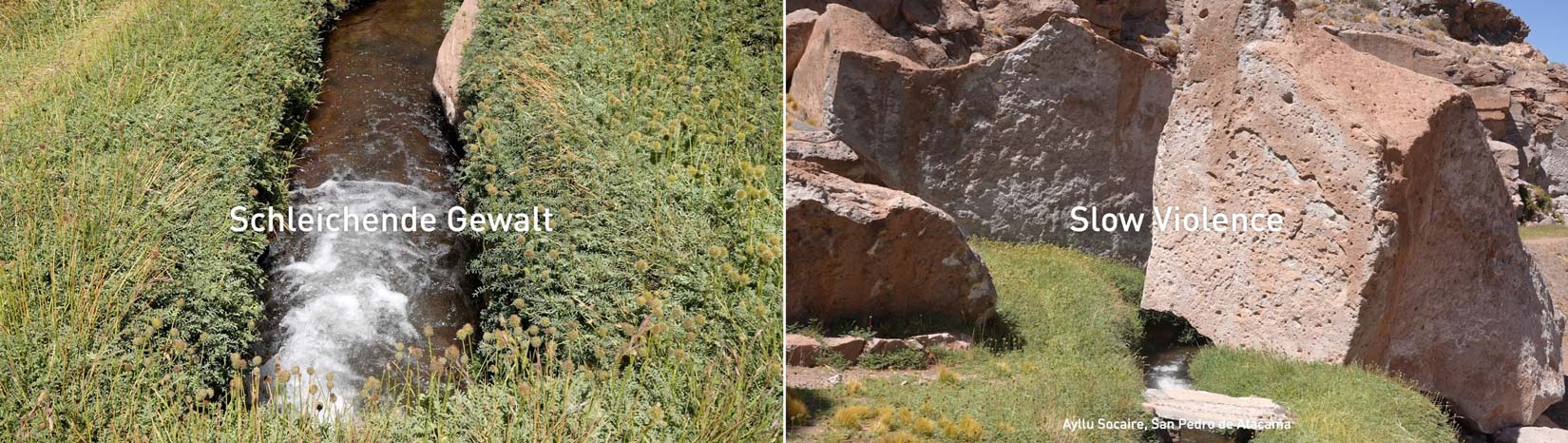
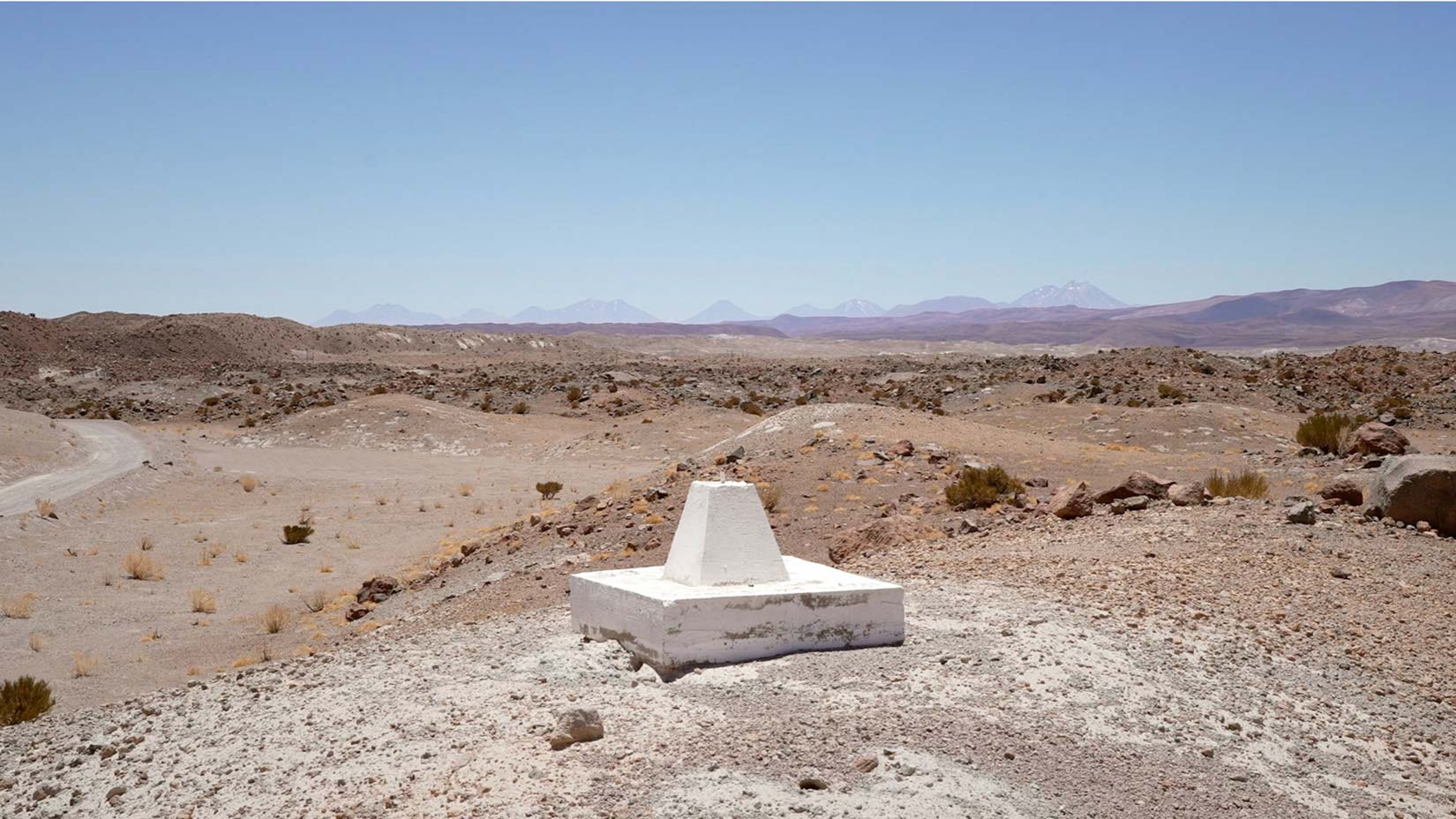
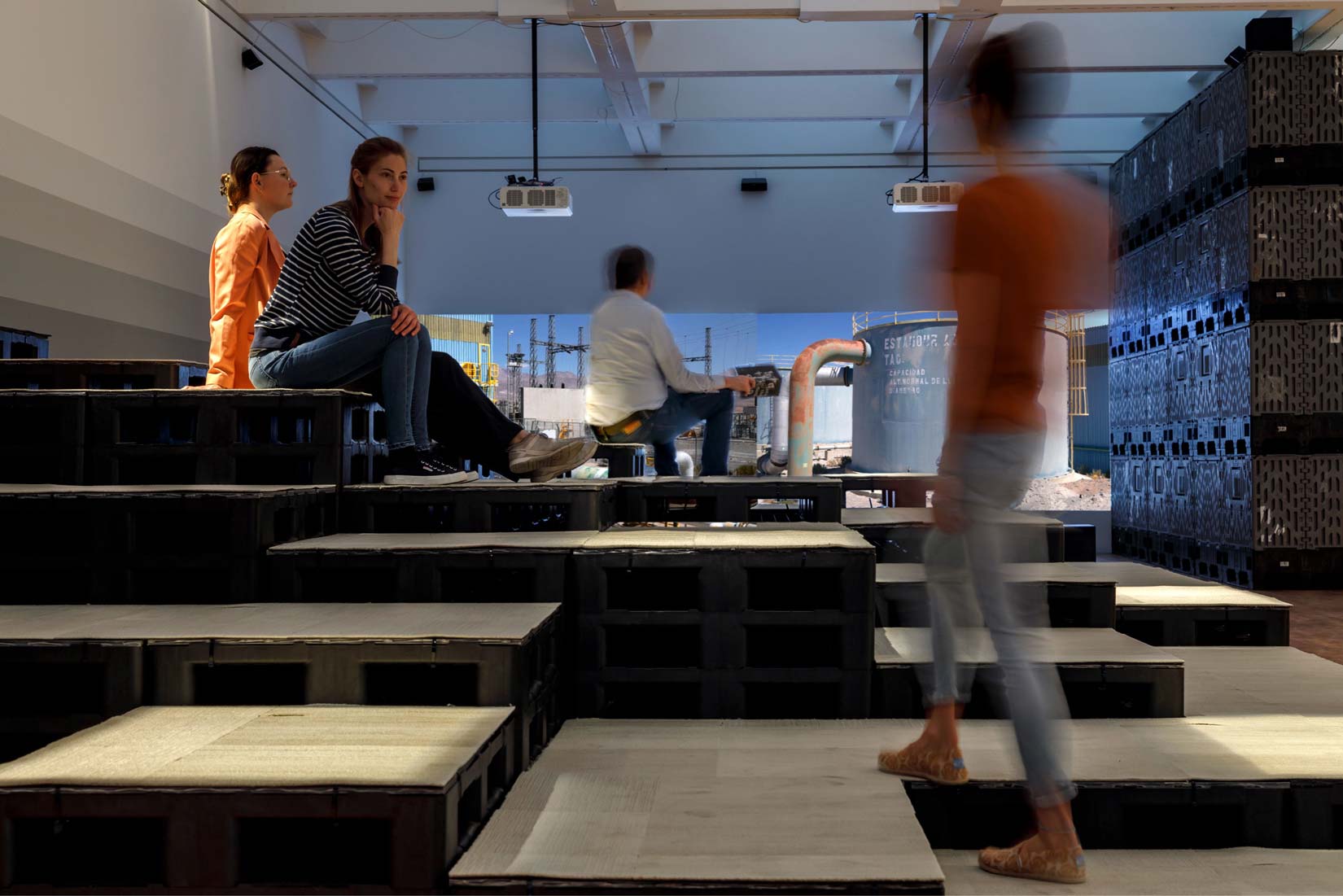
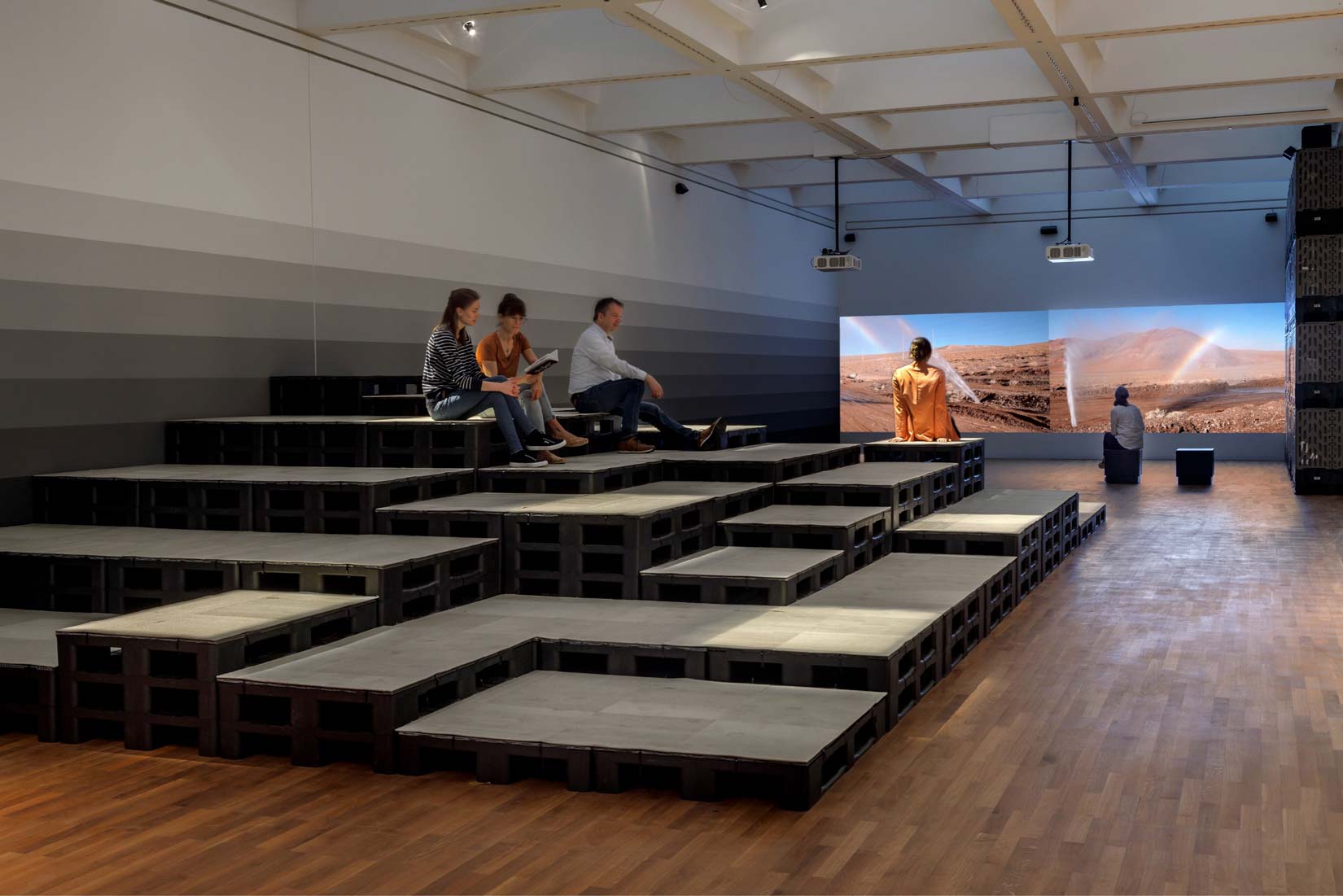
–
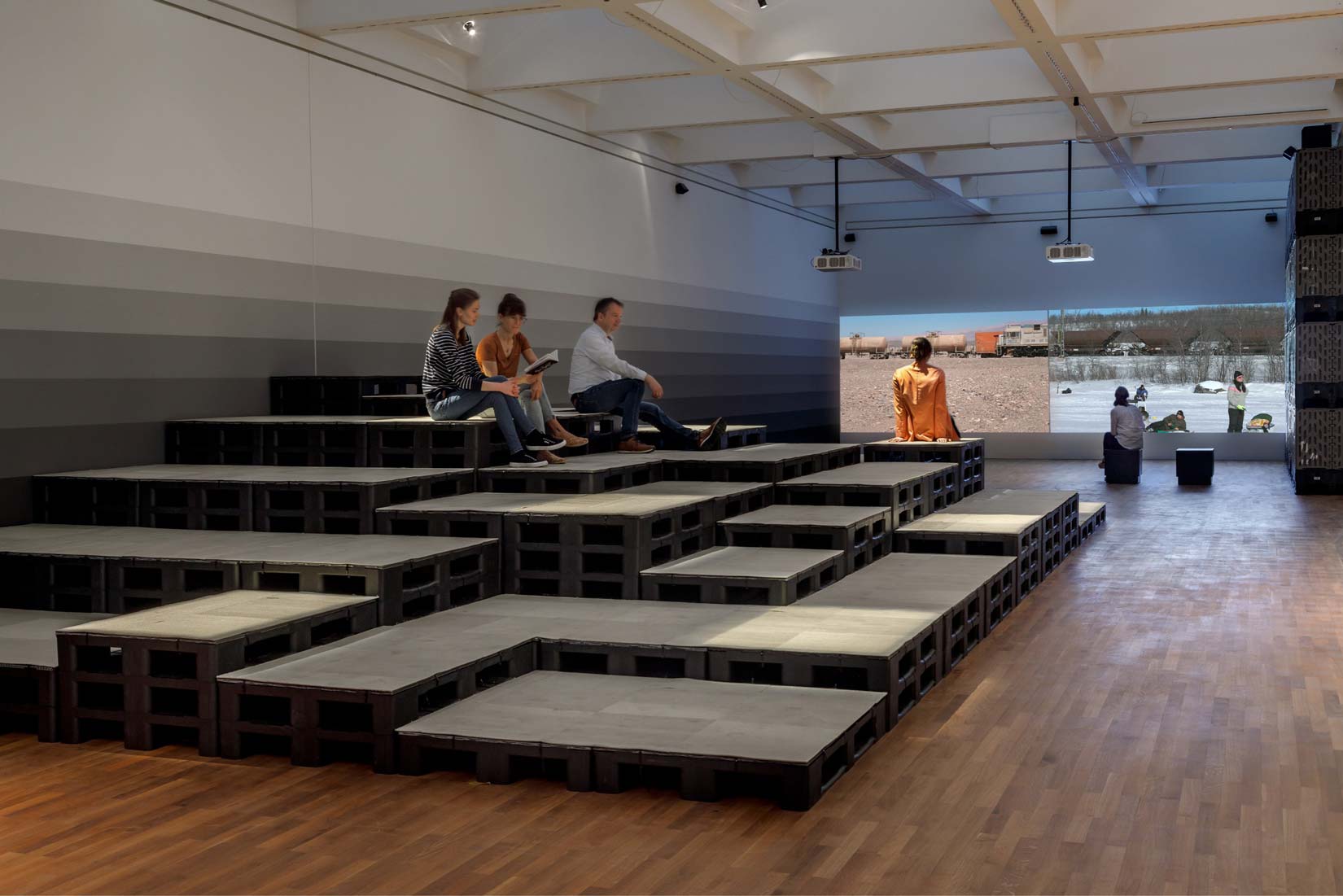
The two-channel video installation with surround sound From Mars to Venus: Activism of the Future was commissioned on the occasion of Into the Deep: Mines of the Future at Zeppelin Museum Friedrichshafen, Germany 26.05.2023 – 05.11.2023 Curated by Claudia Emmertand Ina Neddermeyer
–
Features Likanantay and Sámi activists Karen Luza, Maj-Doris Rimpi, Carola Aguilar Cruz, Veronica Moreno, Åsa Andersson and Janne Sirniö.
Edited by Lara Garcia Reyne, sound design and music by Udit Duseja, Colourist Paul Willis.
–
Supported by
Zero programme of the Kulturstiftung des Bundes (German Federal Cultural Foundation), Beauftragte der Bundesregierung für Kultur und Medien (Federal Government Commissioner for Culture and the Media). Fieldwork supported by AHRC project Frozen Future Royal College of Arts (RCA) / University of Brighton, and the FORMAS-funded project Indigenous perspectives on forest fires, drought and climate change: Sápmi based at the Centre for Multidisciplinary Studies on Racism (CEMFOR), Uppsala University, Sweden.
–
Exhibition
From Mars to Venus13a Biennal d’Art Leandre Cristòfol, La Panera, Lleida, 2024-25
Into the Deep: Mines of the Future, Zeppelin Museum Friedrichshafen, 2023
–
Publication
Recolección. Arts in Defense of Nature in Chile, Fundación Mar Adentro
Download feature
Into the Deep, exhibition catalogue, 2023
Download interview with Ina Neddermeyer
–
Online discussion
O/U FALL 2023. Session 3: Washing the Sea in Green and Blue, TBA-21 Academy, 2023
–
Events
Pensée extractiviste, pensée écosophique, Aix-Marseille Université, Marseille, France, 2025
Ecologically and Socially Just Sustainability Transformations (EcoJust), Södertörn University, Stockholm, 2025
Conference: Extractivism / Activism, Autograph / Paul Mellon Centre, London, 2024
Transindigeneity: Between Local Specificities and Global Complexities, Global Indigenous Arts Network (GIAN), Universidad de Barcelona, Spain, 2023
–
In ancient cosmology, planets and minerals have long been associated with alchemical traditions, astrology, and symbolic correspondences. Mars is symbolized by iron, while Venus is associated with copper. In this work, Sápmi where the majority of the iron is mined in Europe, becomes Mars; and the Atacama-Andes region, where the largest amount of the world’s […]
Frozen FutureSolid Water, Frozen Time, Future Justice: Photography and Mining in the Andean Glaciers, shortened as Frozen Future, is Traces of Nitrate latest project. We have widened our geographical scope to glacial systems of the Central Andes and have returned to the Salar de Atacama. Our focus is also extended through closer collaborations with activists and local communities and the use of sound, but photography and video are still at the centre of our work.
Frozen Future experiments with the spatial and temporal collisions that can be created by photography to expose the global relationships, legacies and inequalities of capitalism, colonialism and extractivism. The historical and colonial relation we continue to explore is that between Chile and Britain, which has shaped the contemporary journey of minerals, lithium and copper, that fuel electric and digital technologies.
They may be called ‘green’ yet they are dependent upon highly industrialised mining operations, often occluded from public view, that irreversively deplete the water reserves of local communities. Mining has reshaped the living spaces of earthly landscapes and altered the course of waterways. The work of Frozen Future is the documentation of the extractivism and the consequent disruption of its water cycles to seek ecological justice.
–
–
Exhibitions
Photography Now, Victoria & Albert Museum, London, 2025-
Image Ecology, C/O Berlin, Germany, 2023
Trafficking the Earth, Bienal de Fotografia do Porto, Portugal, 2021
Reassemblage, Tenerife Espacio de las Artes (TEA), Spain, 2021
El Trafico de la Tierra, Centro de Arte y Naturaleza (CDAN), Spain 2019
Resolution is not the Point, The London Art Fair, UK, 2018
Trafficking the Earth, Museo de Arte, Santiago, Chile, 2017
–
Publications
Earth Matter:An Index on Extractivism, Editorial Tenov, 2025
Trafficking the Earth, Intuitive Editions, London – Editorial Gronefot, Santiago, 2017
–
Collection
Victoria & Albert Museum, Museum Solidaridad Salvador Allende.
Solid Water, Frozen Time, Future Justice: Photography and Mining in the Andean Glaciers, shortened as Frozen Future, is Traces of Nitrate latest project. We have widened our geographical scope to glacial systems of the Central Andes and have returned to the Salar de Atacama. Our focus is also extended through closer collaborations with activists and […]
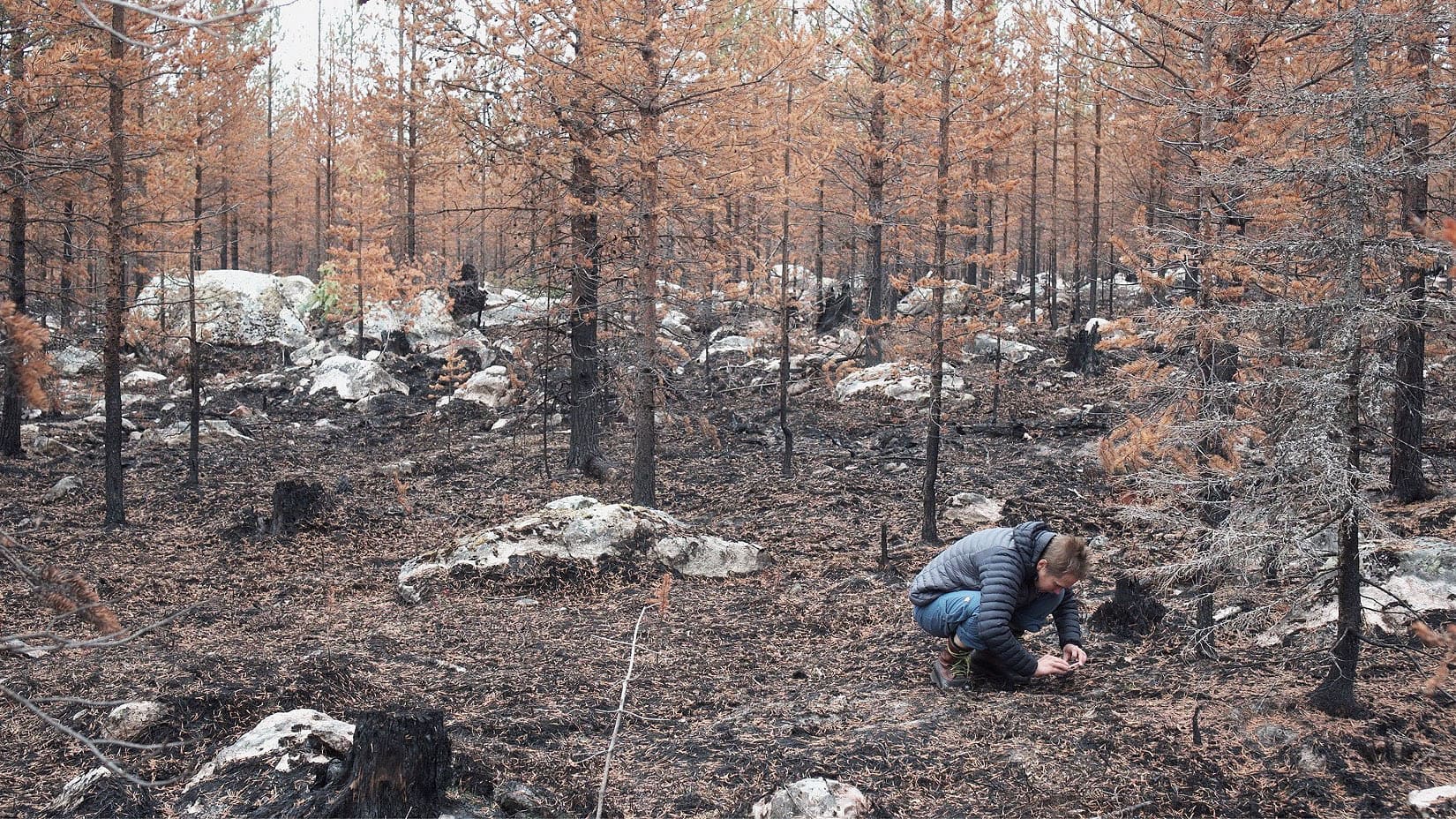
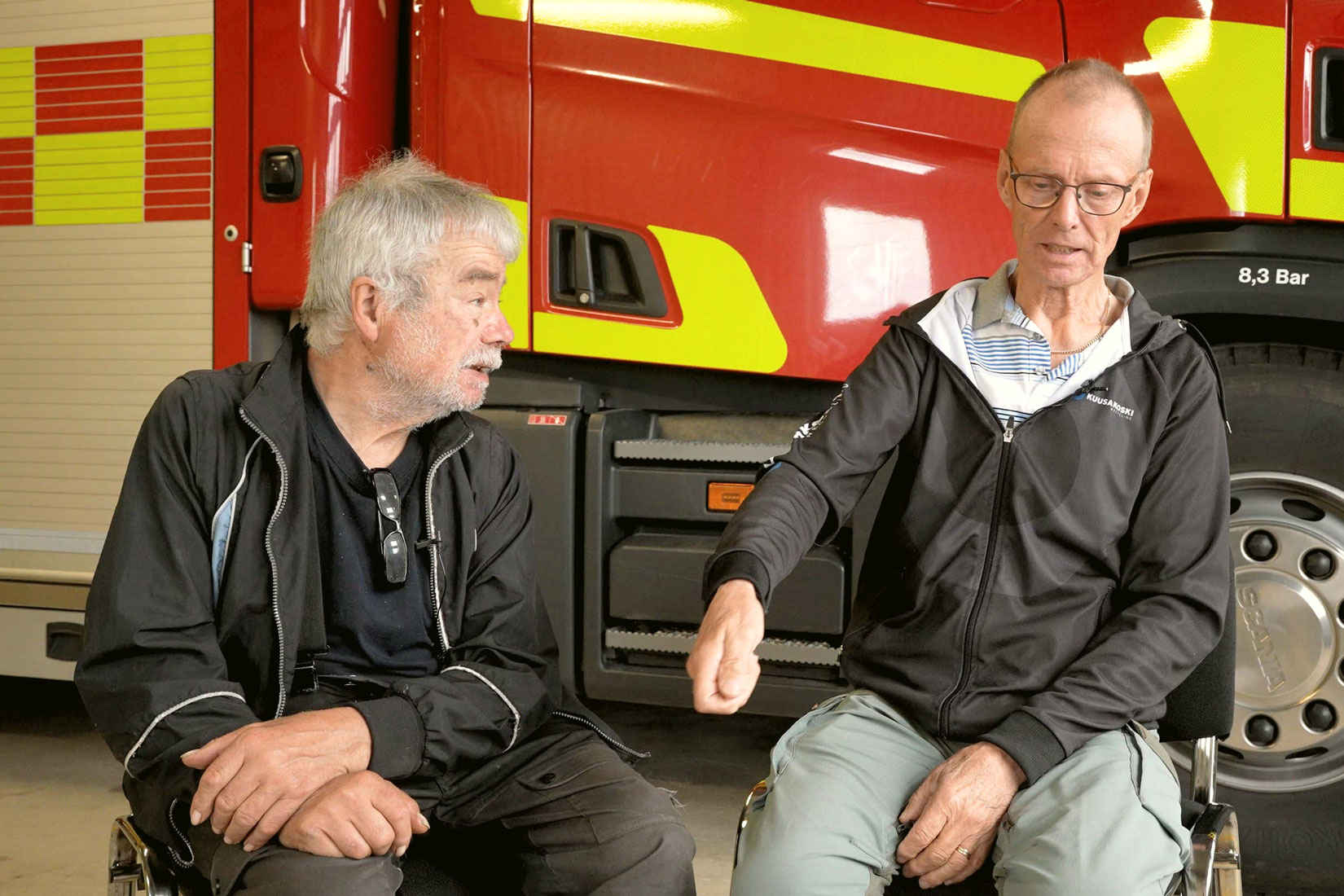
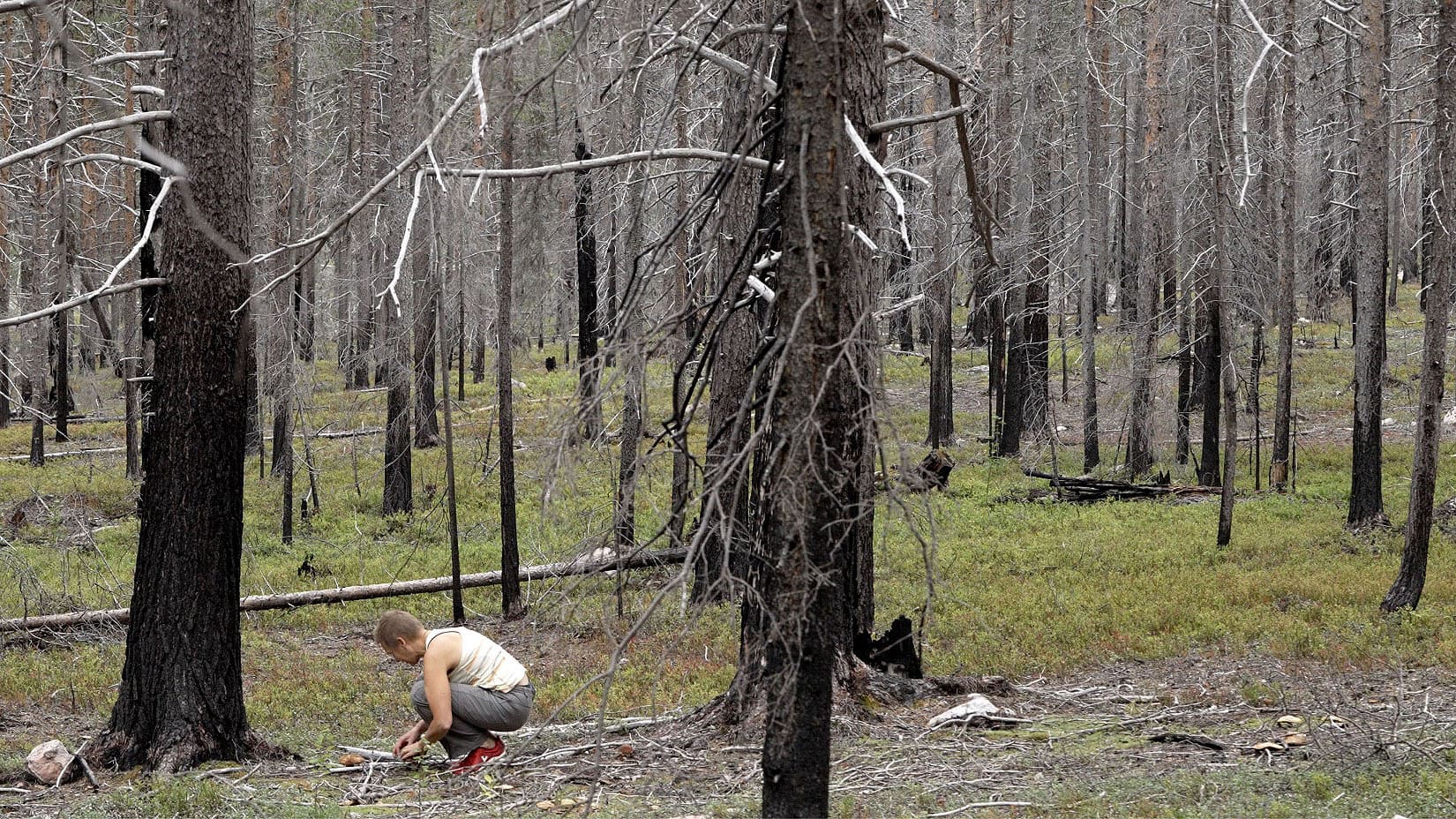
Kintuantu ___In this newly-commissioned work, Acosta brings a message from Machi Millaray Huichalaf, a spiritual and community leader tasked with defending the Pilmaiquén River in Chile from the construction of dams that would flood places sacred to the Mapuche-Williche people. In the message, the Machi emphasizes that Statkraft’s continued exploitation of the Pilmaiquén will lead to the destruction of the Kintuante, and the Mapuche way of life.
–
Kintuantu was commissioned for the exhibition All That Is Solid Melts Into Water: Archaeology, Hydropower, Indigeneity by Kunsthall Oslo and Oslo Museum (29. 04l-11.06.23). The exhibition was curated by Mariam Elnozahy and Rado.
–
Exhibition
All That Is Solid Melts Into Water, Kunsthall Oslo, 2023
In this newly-commissioned work, Acosta brings a message from Machi Millaray Huichalaf, a spiritual and community leader tasked with defending the Pilmaiquén River in Chile from the construction of dams that would flood places sacred to the Mapuche-Williche people. In the message, the Machi emphasizes that Statkraft’s continued exploitation of the Pilmaiquén will lead to […]
Flora, Fauna, Mineros y otras CosasDeveloped in collaboration with Tomás Dinges (Parque Andino Juncal), 24 documents explore the ‘Proyecto Caliente’ mining exploration project, carried out by Nutrex SpA between 2018 and 2022 on the Ganadera Tongoy estate. The documents record the construction of a mining zigzag, the buying and selling of concessions, the installation of monoliths, and the opening of tracks and pits that altered watercourses and damaged habitats. They form part of a wider archive — comprising photographs and audiovisual records from park rangers and activists — which articulates a strategy of counter-surveillance, territorial resistance and conservation of the water system.
30 Photographs juxtaposes two perspectives on the same territory: the concrete monoliths marking the boundaries of mining exploration concessions in the Juncal Andean Park, and the images captured by camera traps as part of a strategy to conserve the flora and fauna of this conservation area. The Mining Code, established during the dictatorship and still in force, allows applications for exploration concessions without owning the land; under this logic, the company Nutrex SpA claimed its mining rights until 2025. The series forms part of a research project carried out between 2019 and 2022 in collaboration with Parque Andino Juncal and Guardianxs del Akunkawa, who responded to this threat using logbooks, field trips, drones, mobile phones and camera traps as tools of resistance.
–
–
Exhibitions
Hacer mundos desde el arte y el activismo, Carolina Castro Jorquera, 2026
–
Partners
Parque Andino Juncal
–
Parque Andino Juncal, Valparaíso Region, Chile, 2019
Developed in collaboration with Tomás Dinges (Parque Andino Juncal), 24 documents explore the ‘Proyecto Caliente’ mining exploration project, carried out by Nutrex SpA between 2018 and 2022 on the Ganadera Tongoy estate. The documents record the construction of a mining zigzag, the buying and selling of concessions, the installation of monoliths, and the opening of […]
Not a PearlThe installation Not a Pearl investigates the role of the Kanton of Zug as a global trading hub and offshore paradise for shell companies.
Commonly set up in locations with advantageous tax laws like Zug, Switzerland, letterbox companies, also known as shell companies, play an important role in international trade, especially in the metal industry and in the raw materials sector in general.
“Neither office nor employees, but an administrative setup that handles mail and accounting matters. In fact, a shell company is not much more than one of many names on a mailbox… In Switzerland, these shell companies are involved in almost half of the transactions suspected of involving corruption and money laundering, which are passed to the Swiss authorities. According to an analysis conducted by Public Eye, there are around 6,300 of these shell companies in the canton of Zug”. (Public Eye)
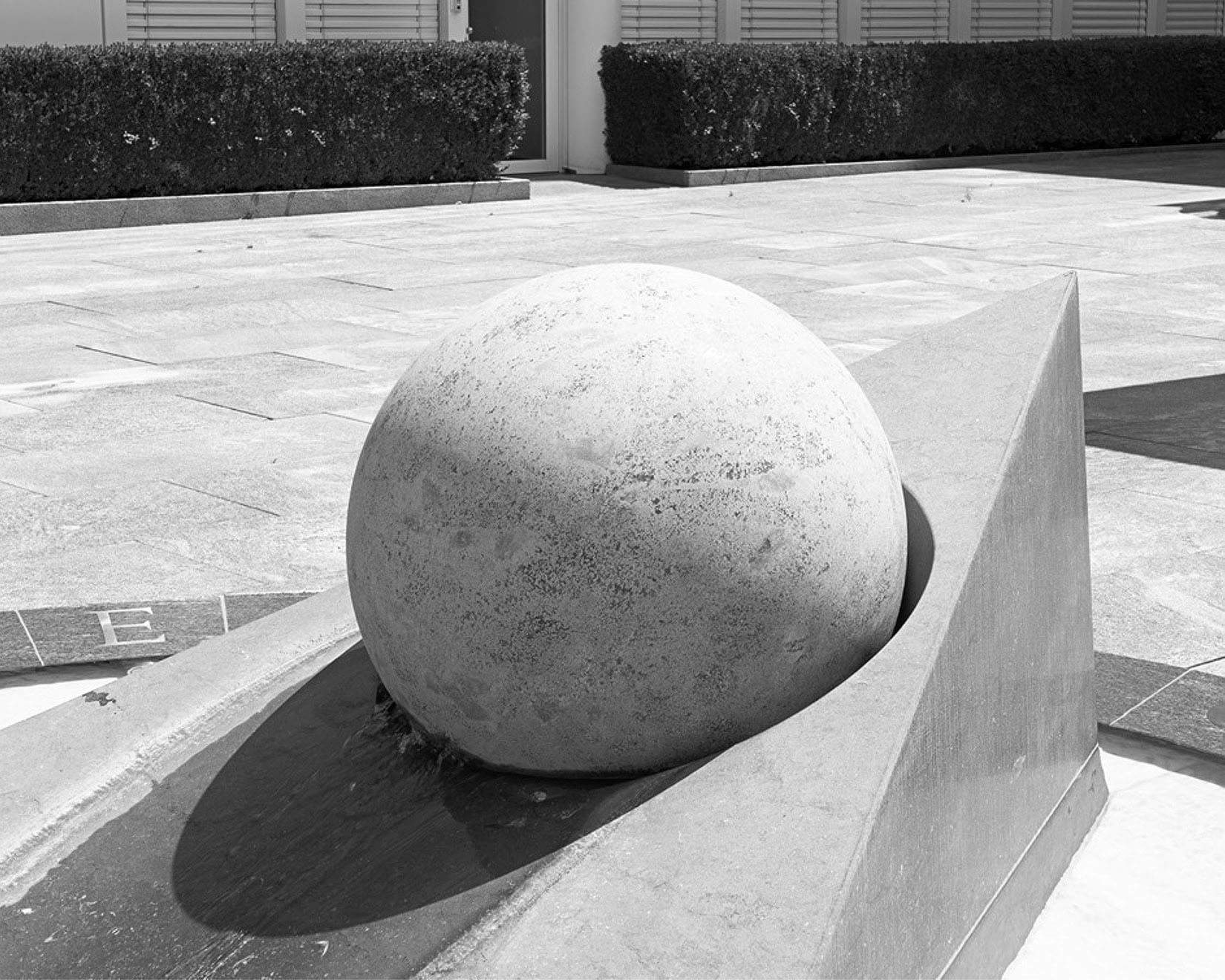
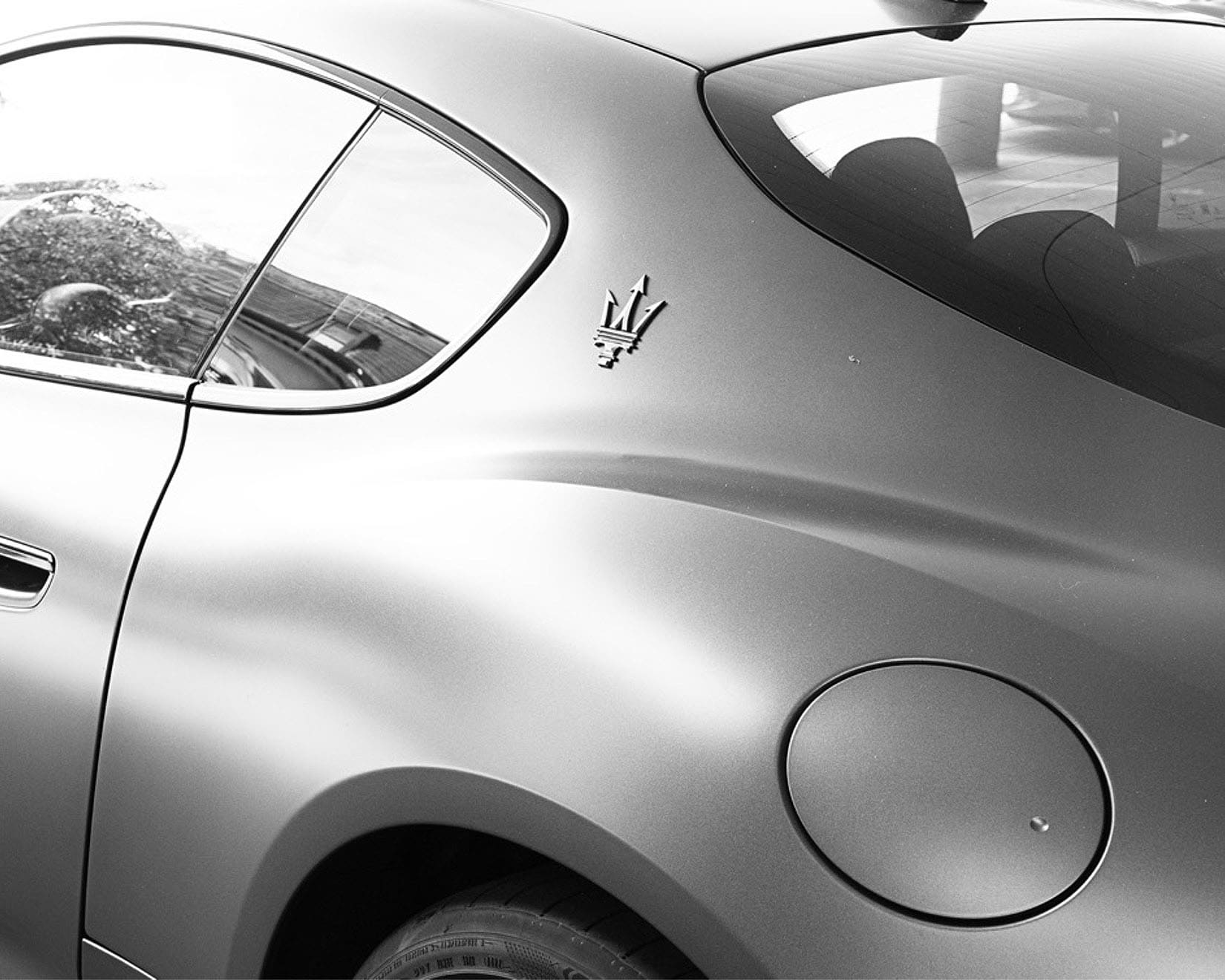
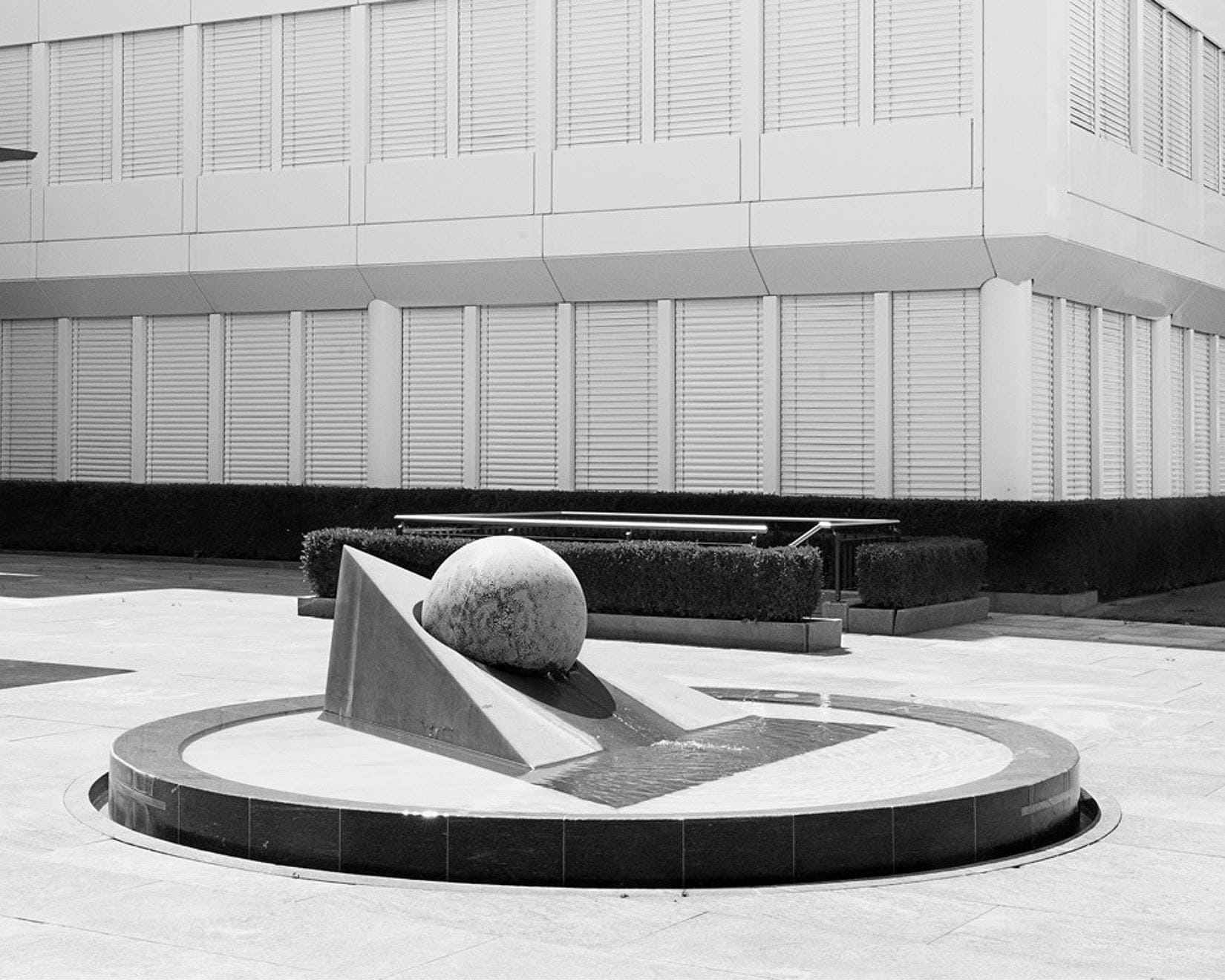
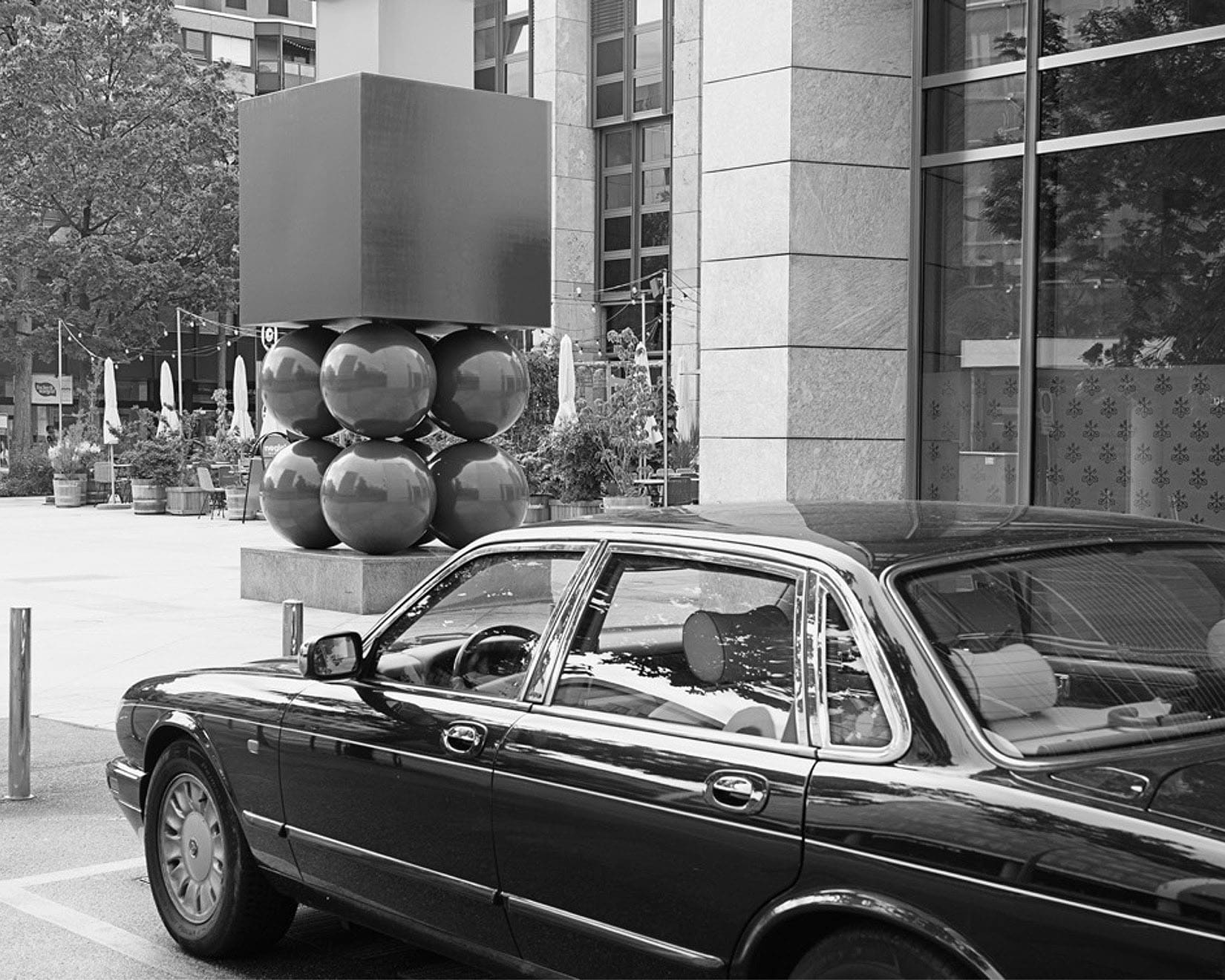
Not a Pearl juxtaposes the architecture of office complexes in the Zug industrial belt with the typology of letterbox companies, the smooth lines of luxury sports cars with the representation of the globe as a material sculptural object in both public and corporate architecture of Glencore with the language of the archival research.
The title refers to an article titled Glencore isn’t a ‘Pearl’ after all published on NeueZuger Zeitung (30.3.2014), found in the archives of the Commodity Trading Dossier at the Bibliotek of Zug, pictured on the second row along with four other articles whose subject matters range from local resistance groups protesting Glencore’s involvement in serious human rights violations, environmental destruction, tax avoidance, and bribery, to statements from local authorities referring to Glencore as an “Economic Pearl” of the Kanton.
The research used open-source data of companies trading raw materials in Switzerland gathered by Public Eye, open data from Extractive Industries Transparency Initiative and archival research at the Bibliotek of Zug.
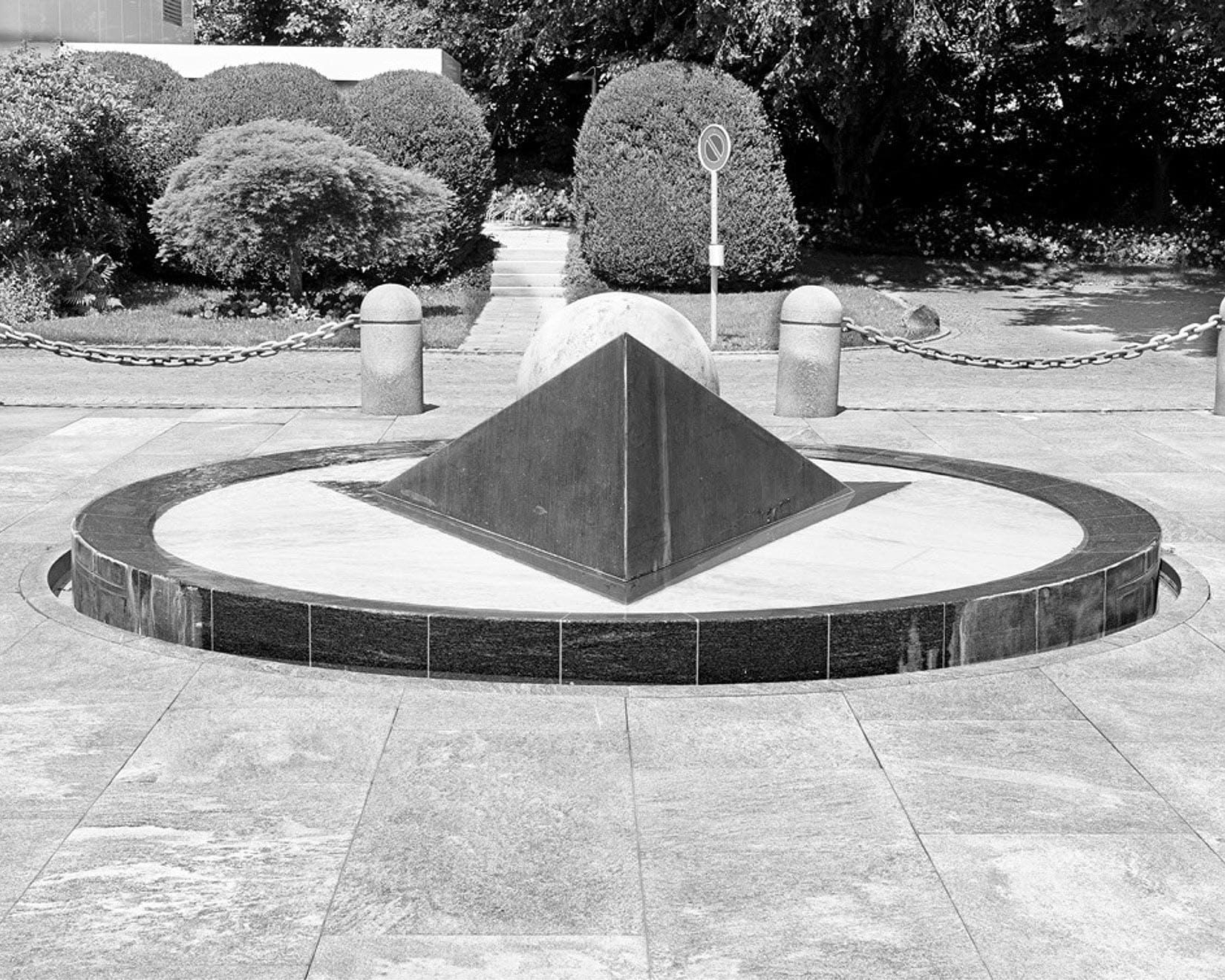
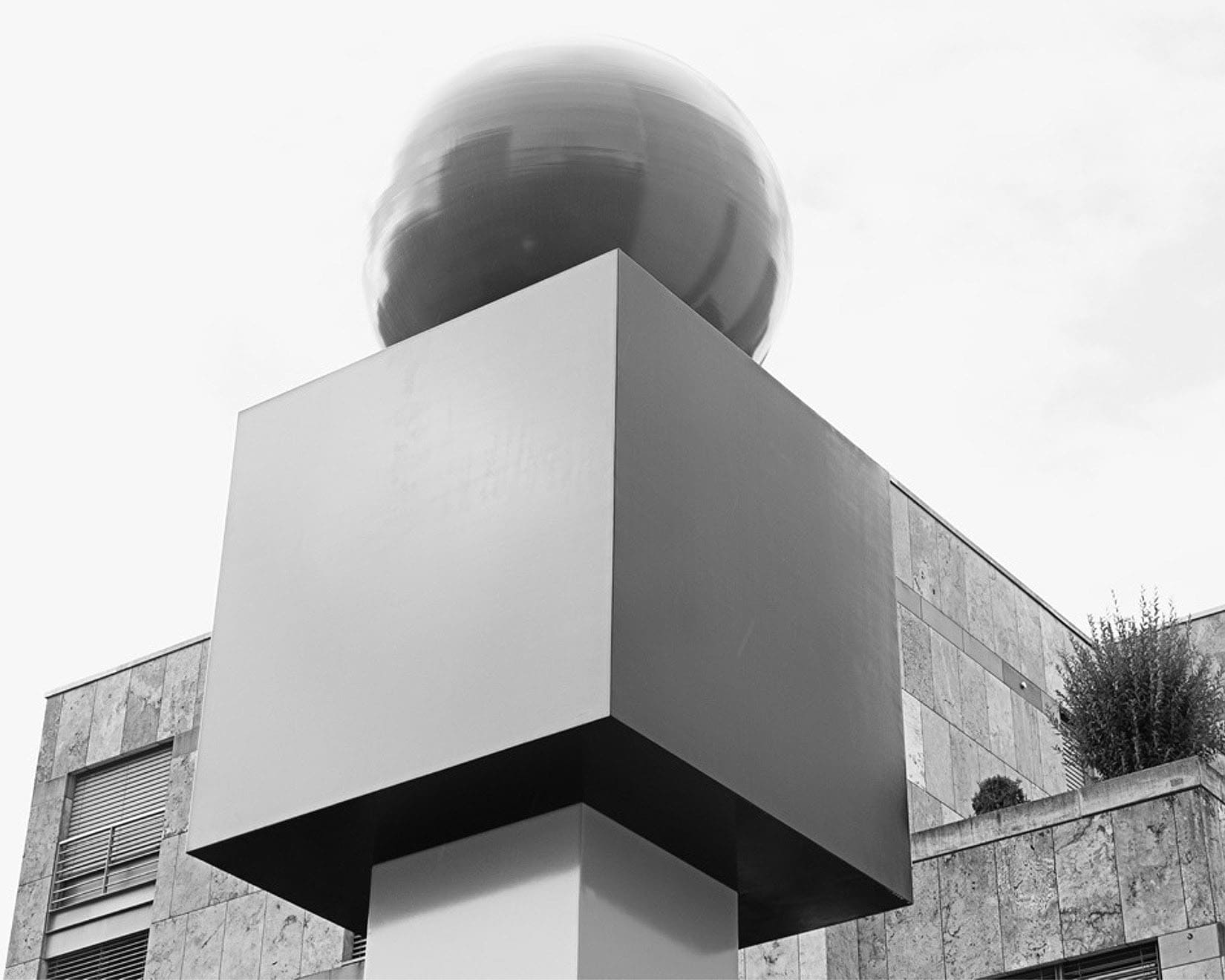
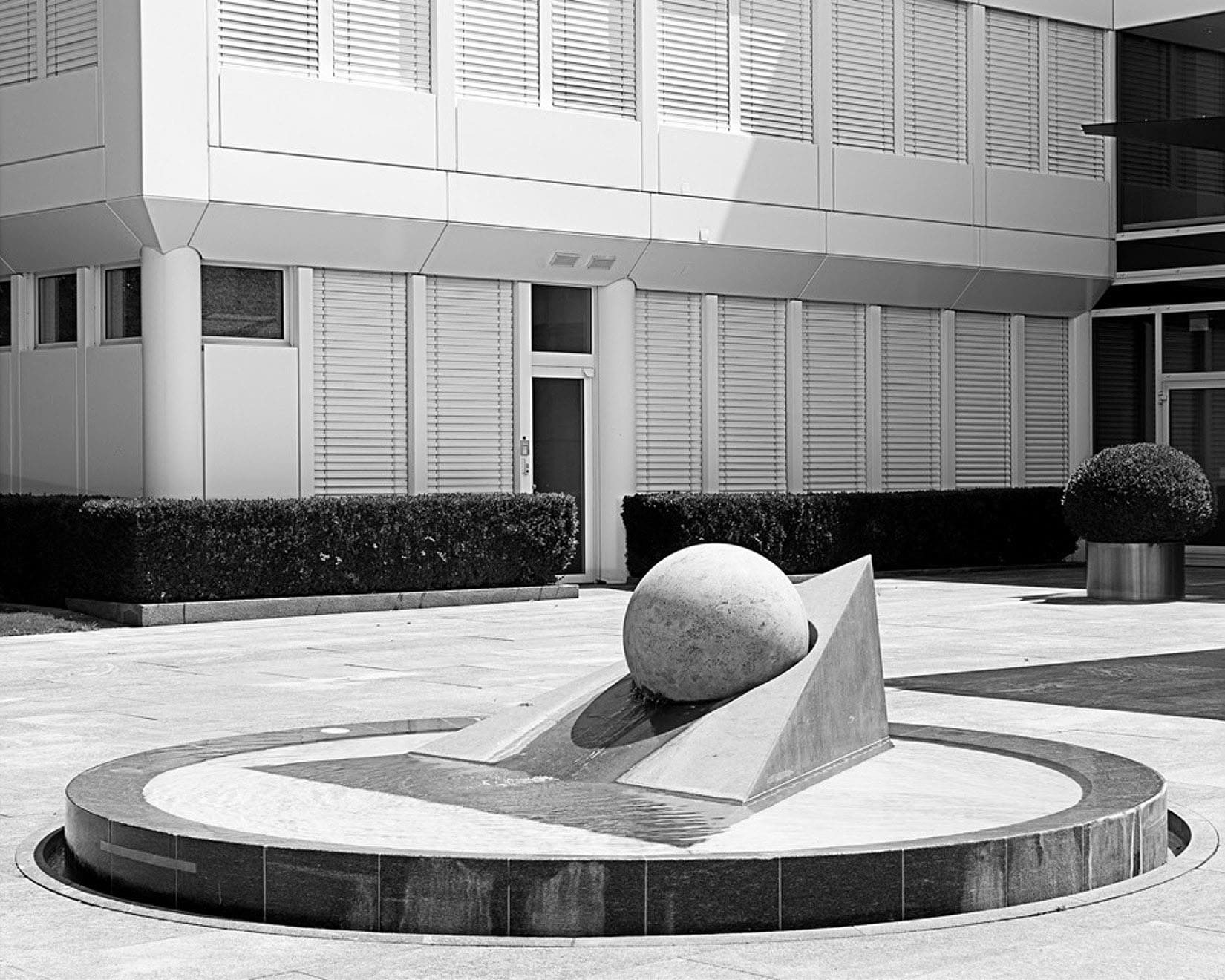

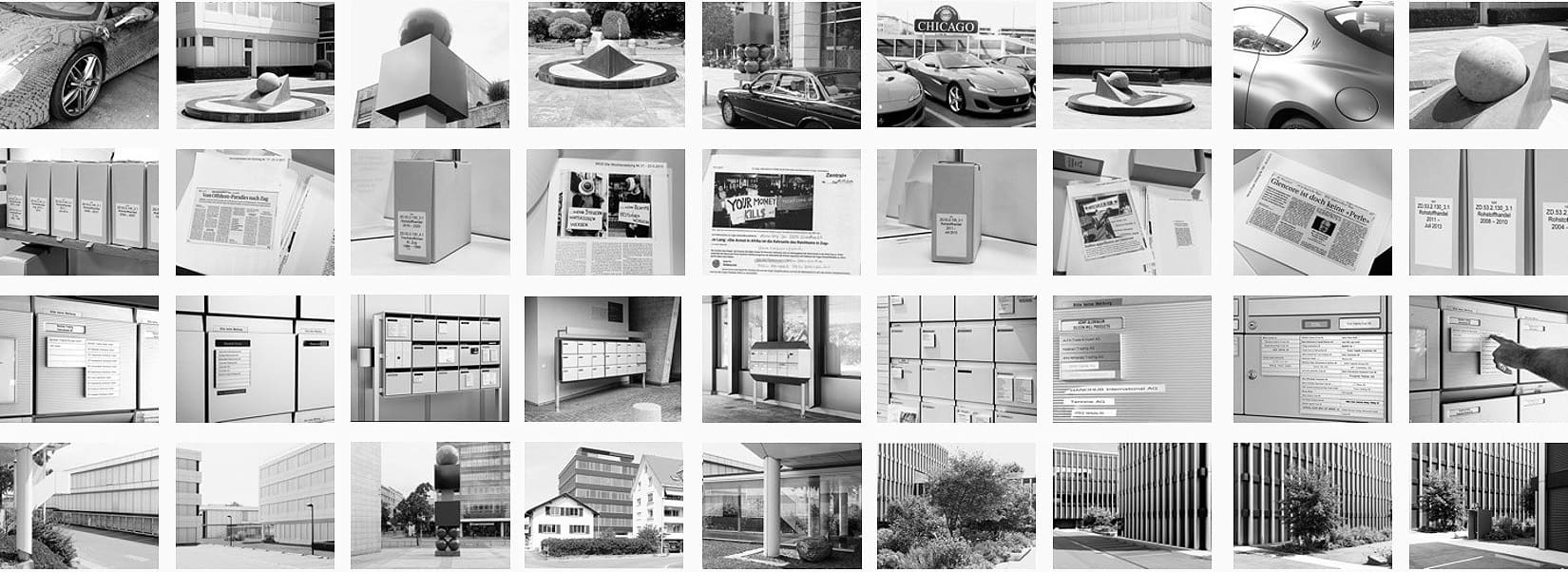
–
Not a Pearl was commissioned for the exhibition Mining Photography: The Ecological Footprint of Image Production by Gewerbemuseum Winterthur (22.09.23-21.01.24). The exhibition was curated by artist, author and curator Boaz Levin and Dr. Esther Ruelfs, Head of the Photography and New Media Collection at MK& G. Acknowledgements: Susanna Kumschick, Cathrin Hauswald, Karmele Wigger-Goikolea, Yannick Ringger, Corinne Silva, Ellen Lapper, Rita Kesselring and This Keller.
–
Exhibition
Mining Photograhy, Geberwemuseum Winterthur, 2023
–
Discussion
Copper Geographies and the role of Switzerland, Geberwemuseum Winterthur
–
Canton of Zug, Switzerland, 2023
The installation Not a Pearl investigates the role of the Kanton of Zug as a global trading hub and offshore paradise for shell companies. Commonly set up in locations with advantageous tax laws like Zug, Switzerland, letterbox companies, also known as shell companies, play an important role in international trade, especially in the metal industry […]