All That Is Solid Melts Into Water: Archaeology, Hydropower, Indigeneity, Kunsthalle Oslo, Norway
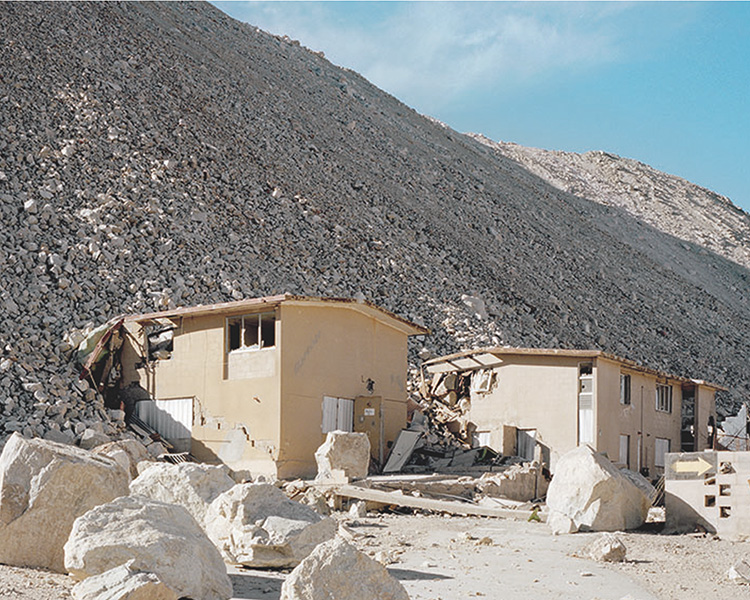
Norway is a world leader in hydropower, a reliable, secure, and renewable source of energy that meets 90% of the country’s needs and is vital to a low-carbon future; but hydropower development can also mean the intrusion of modernity into wild landscapes, the destruction of cultural heritage and the disruption of traditional patterns of life. All That Is Solid Melts Into Water looks at the way artists have responded to and reflected on this development – from Telemark to Sápmi, from the Mapuche lands in Chile to the Nubian territories of Egypt and Sudan.
The exhibition at Kunsthall Oslo begins with a remarkable series of large-format watercolours by Theodor Kittelsen depicting the construction of Norsk Hydro’s first power stations at Svælgfoss, and comes up to the present day with the words of the Mapuche spiritual leader Millaray Huichalaf, as inscribed by artist Ignacio Acosta, protesting against the Norwegian company Statkraft and their development of the Pilmaiquén Hydroelectric Plant. Arild Våge Berge’s installation works offer a poetic exploration of Norwegian hydropower engineering, while works by Sami artists Keviselie and Katarina Pirak Sikku present a critical view from Sápmi. Colombian artist Caroline Caycedo’s River Books depict traditional ecologies and political conflicts around river systems in various indigenous territories. Ala Younis presents a new sculpture recalling the life of Osman Ahmed Osman, the Egyptian contractor who led the construction of the Aswan High Dam.
The presentation at the Intercultural Museum offers a rare chance to see one of the Nubian archaeological artefacts discovered during the building of the Aswan High Dam on the River Nile (1960–70), alongside newly-commissioned artworks by Fadlabi and Hanni Kamaly that reflect on the social upheavals caused by the dam’s construction.
With Kintuante (2023), a newly-commissioned work, Acosta brings a message from Machi Millaray Huichalaf, a spiritual and community leader tasked with defending the Pilmaiquén River in Chile from the construction of dams that would flood places sacred to the Mapuche-Williche people. In the message, the Machi emphasizes that Statkraft’s continued exploitation of the Pilmaiquén will lead to the destruction of the Kintuante, and the Mapuche way of life
Curated by Mariam Elnozahy and Rado Ištok
–
External Link